Which Orthopedic Injection Techniques Deliver Better Results?
The product injected matters, but so does how and where it is placed. An injection that reaches the intended space delivers its full effect, while one placed outside the joint may provide little benefit and more discomfort. This article reviews the main orthopedic injection techniques and the factors that improve accuracy and results.
Understanding Orthopedic Injection Techniques
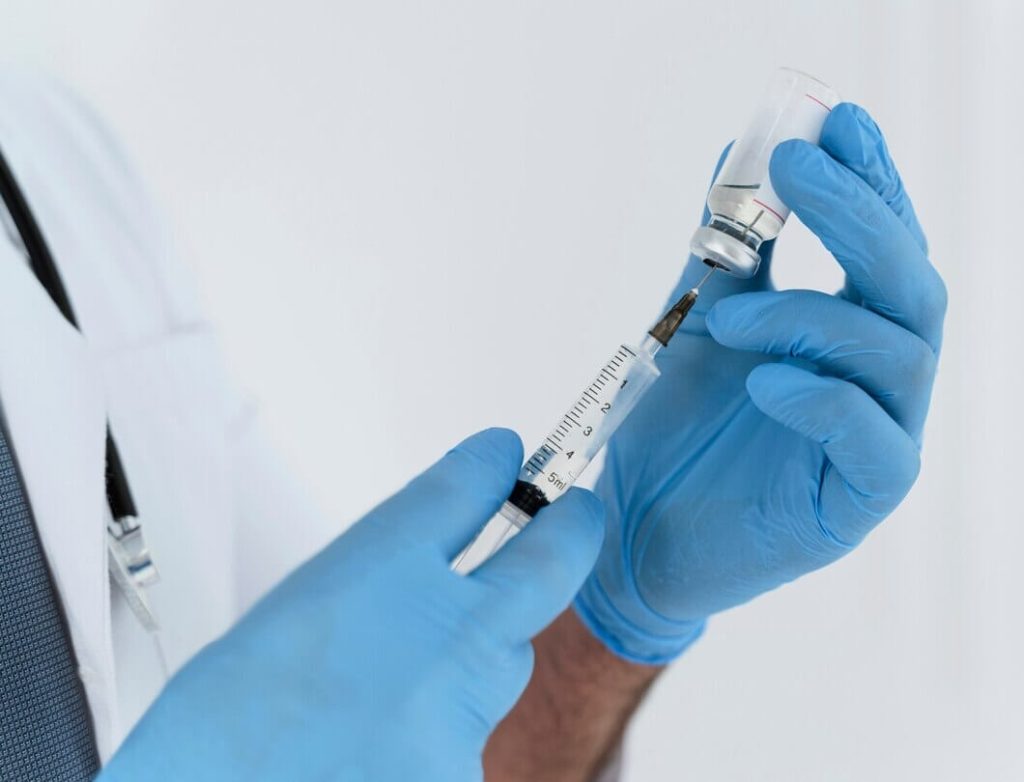
An injection technique combines the choice of approach (the entry point and needle path), the patient’s position, the needle size and the use or not of imaging guidance. Clinicians choose the technique according to the joint, the patient’s anatomy, the product and the goal of treatment. In Canada, who may perform intra-articular injections varies by province and professional college.
The Role of Precision and Anatomy
Viscosupplements such as SYNVISC®, MONOVISC®, DUROLANE® and ORTHOVISC®, as well as combination products such as CINGAL®, are designed to be placed inside the joint space. A good knowledge of anatomy, careful palpation of landmarks and, when needed, imaging guidance all help the needle reach the right place. When a joint effusion is present, aspirating excess fluid before the injection can also improve comfort and product distribution.
Common Techniques for Orthopedic Injection
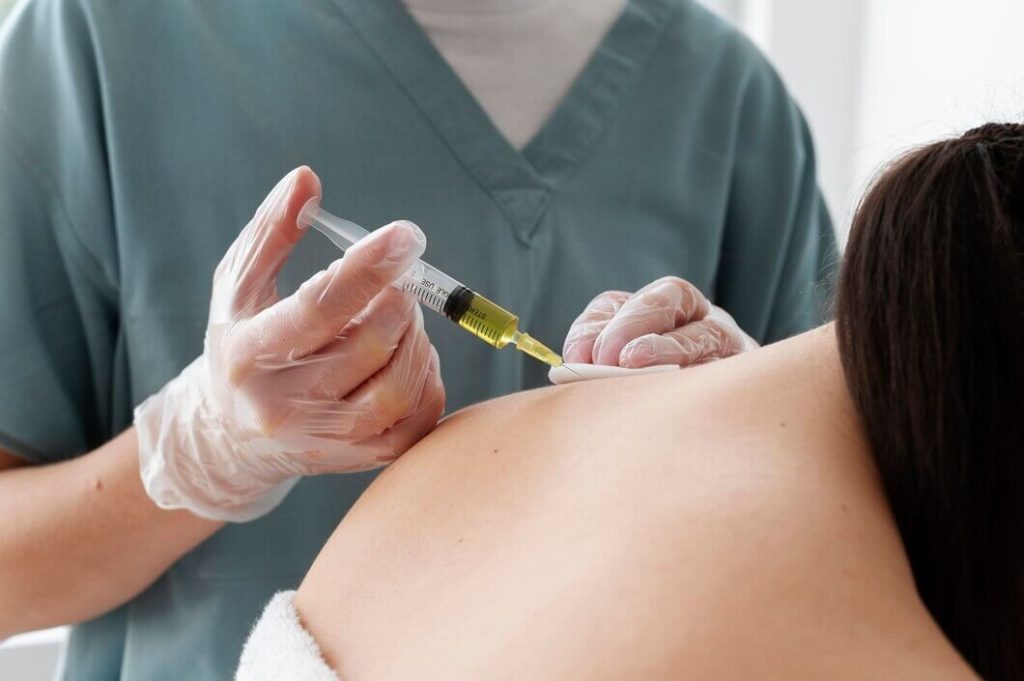
1. Superolateral and Anterolateral Approaches (Knee)
For the knee, the superolateral approach, with the leg extended, enters the joint above and to the outside of the kneecap. It is often preferred when an effusion is present. The anterolateral approach, with the knee bent, enters beside the patellar tendon and is common when the patient is seated.
2. Anteromedial Approach (Knee)
The anteromedial approach enters on the inner side of the patellar tendon with the knee bent. It can be useful depending on the patient’s anatomy or the clinician’s preference.
3. Posterior and Anterior Approaches (Shoulder)
For the glenohumeral joint, the posterior approach is frequently used, entering below the back of the acromion and aiming toward the front. The anterior approach is an alternative. The subacromial space is targeted for certain rotator cuff conditions.
4. Infiltration Techniques for Soft Tissue
Some conditions affect tendons, bursae or ligaments rather than the joint itself. Infiltration places the product around these structures, for example in a bursa of the shoulder or hip, while avoiding injection directly into a tendon.
5. Ultrasound-Guided Injections
Ultrasound shows the needle and the target in real time. It improves accuracy, particularly for deep joints such as the hip, for small joints and for patients whose landmarks are difficult to palpate. Many Canadian clinics now use it routinely for viscosupplementation.
Step by Step: A Typical Orthopedic Injection
- Confirm the patient’s identity, the joint and the product, and check allergies and medications.
- Position the patient comfortably and identify the landmarks or the target on ultrasound.
- Disinfect the skin and respect strict aseptic technique.
- Use a local anaesthetic if appropriate.
- Insert the needle, aspirate any effusion if needed, then inject the product slowly.
- Remove the needle, apply a bandage and give post-care instructions.
Factors That Influence Injection Results
- The accuracy of the injection into the joint space.
- The choice of product according to the diagnosis.
- The severity of the joint condition.
- The patient’s activity, weight and general health.
- The respect of the recommended interval between injections.
- The quality of post-injection care.
When to Use Advanced Techniques
Imaging guidance is particularly useful for the hip, for patients with obesity, for joints with significant deformity, after a first blind injection that did not provide the expected relief and for less accessible structures. Fluoroscopy can be used for the spine and some deep joints.
Benefits of Proper Technique
A well-performed injection improves product distribution, increases the likelihood of relief, reduces pain during and after the procedure and lowers the risk of complications. It also gives the clinician a clearer picture of how the joint responds, which helps plan future treatments. Staff training is essential; see our article on orthopedic injection training for staff. Clinics can find all products in our orthopedic injections category.
References
- Rimeika, G., Saba, L., Arthimulam, G., Della Gatta, L., Davidovic, K., Bonetti, M., Franco, D., Russo, C., & Muto, M. (2021). Metanalysis on the effectiveness of low back pain treatment with oxygen-ozone mixture: Comparison between image-guided and non-image-guided injection techniques. European Journal of Radiology Open, 8, 100389. https://doi.org/10.1016/j.ejro.2021.100389
- Imani, F., Mohammad-Esmaeel, F., Morsalli, S.-F., Ahani-Azari, A., Alimian, M., Nikoubakht, N., & Emami, A. (2024). Comparison of clinical effects and physical examination of transforaminal and caudal steroid injection with targeted catheter in lumbar radiculopathy: A single-blind randomized clinical trial. Brain and Behavior. Advance online publication. https://doi.org/10.1002/brb3.70067
- Manchikanti, L., Knezevic, N. N., Navani, A., & Schultz, D. M. (2022). Comparative systematic review and meta-analysis of Cochrane review of randomized controlled trials of epidural injections in managing chronic low back pain. Pain Physician, 25(7), E1041–E1063. https://pubmed.ncbi.nlm.nih.gov/36288577/
- Liu, J., Li, J., & Liu, Y. (2016). The effectiveness of transforaminal versus caudal routes for epidural steroid injections in managing chronic low back pain: A meta-analysis of randomized controlled trials. Pain Physician, 19(4), E557–E569. https://pmc.ncbi.nlm.nih.gov/articles/PMC4863760/
- Haring, R. S., & Derby, R. (2024). Comparing the clinical outcomes of lumbar transforaminal epidural steroid injections and caudal epidural steroid injections for lumbar radiculopathy. Pain Medicine. Advance online publication. https://pubmed.ncbi.nlm.nih.gov/39239500/