What Post-Care Is Needed After an Orthopedic Injection?
An orthopedic injection takes only a few minutes, but what happens in the following days has a real influence on the result. Good post-care helps the product settle in the joint, limits soreness and swelling, and gives the treatment the best chance of providing lasting relief. This guide explains what to expect and how to care for the joint after an injection.
Why Post-Care Matters
After an injection, the treated joint needs a short adaptation period. A corticosteroid needs time to calm the inflammation, and a hyaluronic acid viscosupplement such as SYNVISC®, MONOVISC® or DUROLANE® needs time to distribute within the joint. Putting too much strain on the joint too early can increase discomfort and reduce the benefit. Simple, consistent care during the first days protects the investment the patient has made in the treatment.
What to Expect Immediately After the Procedure
Most patients go home shortly after the injection. If a local anaesthetic was used, the joint may feel numb or unusually comfortable for a few hours. Once it wears off, mild soreness, a feeling of fullness or slight swelling is common. With a corticosteroid, some patients experience a temporary flare of pain during the first 24 to 48 hours before relief begins.
Arranging a ride home is a good idea, especially after a hip or knee injection or if the patient feels light-headed.
Post-Care Step by Step
- First 24 to 48 hours: rest the joint, without staying in bed. Walk gently around the house and avoid prolonged standing, running, jumping and heavy lifting.
- Ice: apply a cold pack wrapped in a cloth for 10 to 15 minutes at a time, several times a day, to reduce soreness and swelling.
- Injection site: keep the bandage on for a few hours and keep the area clean and dry.
- Showering: a shower is usually fine the same day or the next day. Avoid baths, hot tubs, saunas and swimming pools for at least 48 hours, or as advised by the clinician.
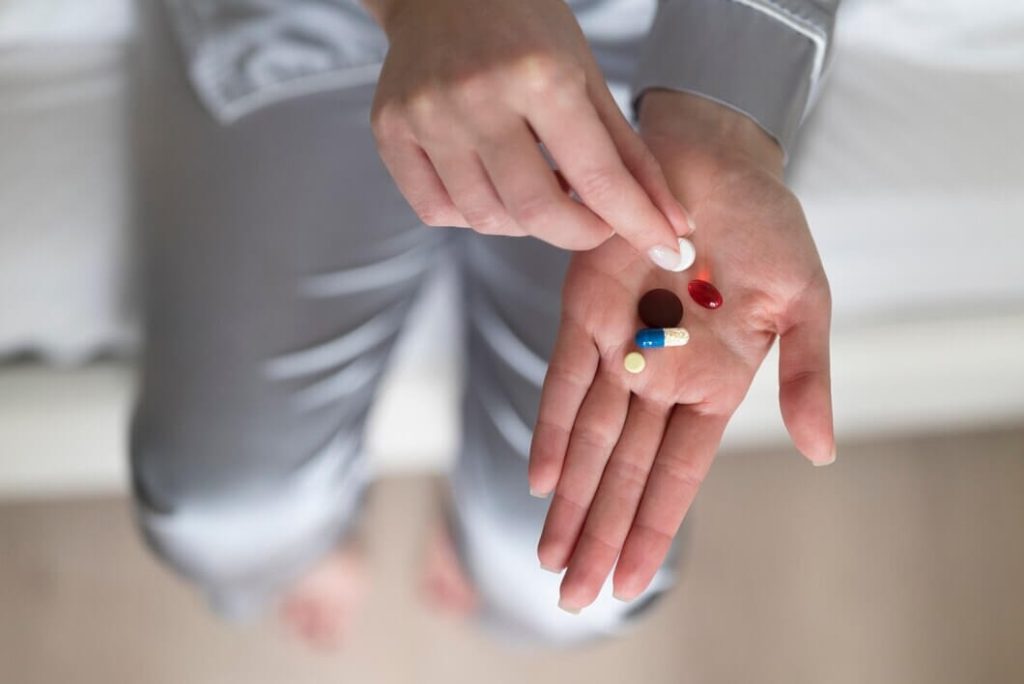
- Medication: follow the clinician’s advice for pain relief. Acetaminophen is often suggested; ask before taking anti-inflammatory drugs or restarting anticoagulants.
- Hydration: drink enough water to support recovery.
When to Resume Regular Activities
Most patients can return to light daily activities the day after the injection. Low-impact activities such as walking, stationary cycling or swimming can generally resume after 48 hours, once the injection site has closed. Running, intense training, hockey, skiing or other high-impact sports are usually resumed gradually over the following one to two weeks, depending on the clinician’s advice and the patient’s comfort.
Our article on orthopedic injection recovery time describes a typical timeline.
Managing Pain and Swelling at Home

- Elevate the leg on a cushion after a knee or ankle injection.
- Use ice rather than heat during the first 48 hours.
- Wear comfortable, supportive footwear, especially on icy winter sidewalks.
- Alternate short periods of gentle movement and rest to avoid stiffness.
Soreness usually decreases within a few days. If it increases instead, contact the clinic.
Signs You Should Call Your Doctor
Contact the clinic or seek medical attention if any of the following appear:
- Increasing pain, redness or warmth around the joint after 48 hours.
- Fever or chills.
- Significant swelling or a joint that becomes hot and very painful.
- Discharge at the injection site.
- Signs of an allergic reaction, such as hives, swelling of the face or difficulty breathing (call 911).
These symptoms are rare, but they need to be assessed quickly. Any suspected adverse reaction can also be reported to Health Canada through the Canada Vigilance Program. See our article on orthopedic injection side effects.
Long-Term Recovery and Maintenance Tips
Once the initial recovery is over, the goal is to maintain the benefit for as long as possible. Physiotherapy and strengthening exercises support the joint, low-impact activity keeps it mobile, and a healthy weight reduces the load it carries. Follow-up appointments help plan the next injection at the right time. Clinics can find all viscosupplements and combination products in our orthopedic injections category.
References
Han, C., Gan, D., Meng, C., Qiu, Y., & Hao, T. (2024). Efficacy and safety of intra-articular glucocorticoid injection for postoperative pain control after knee arthroscopy: A systematic review. Journal of Orthopaedic Surgery and Research, 19(1), Article 736. https://doi.org/10.1186/s13018-024-05204-x
FirstPointMD. (2025, September 10). How to recover safely after a cortisone injection: Do’s and don’ts. https://firstpointmd.com/recover-safely-after-a-cortisone-injection/
Advanced Orthopaedic Group. (2025, November 15). Knee injections for osteoarthritis: What to expect before and after treatment. https://www.advancedortho.com.sg/knee-injections-for-osteoarthritis-what-to-expect-before-and-after-treatment/
Nathan Mall MD. (2016, June 24). Post-injection care. https://www.nathanmallmd.com/pdf/post-injection-care.pdf
Shah, M. P. Hospital. (2025). Intra-articular injection patient guide [PDF]. https://mpshahhosp.org/wp-content/uploads/2025/08/INTRA-ARTICULAR-INJECTION-PATIENT-GUIDE.pdf