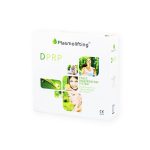
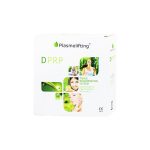
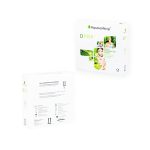
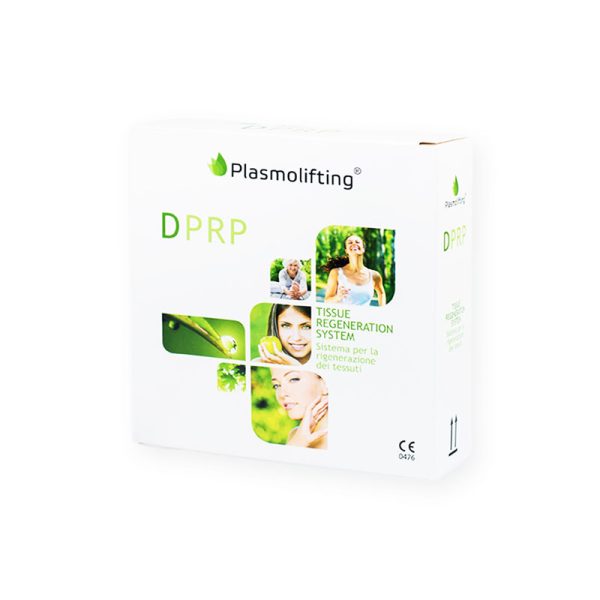
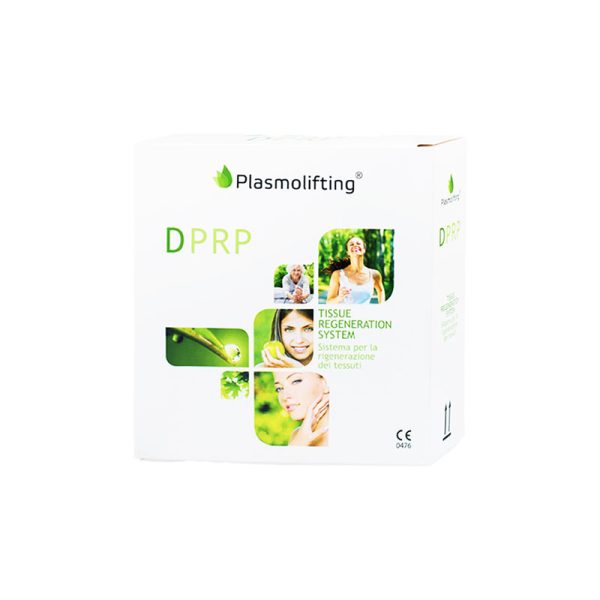
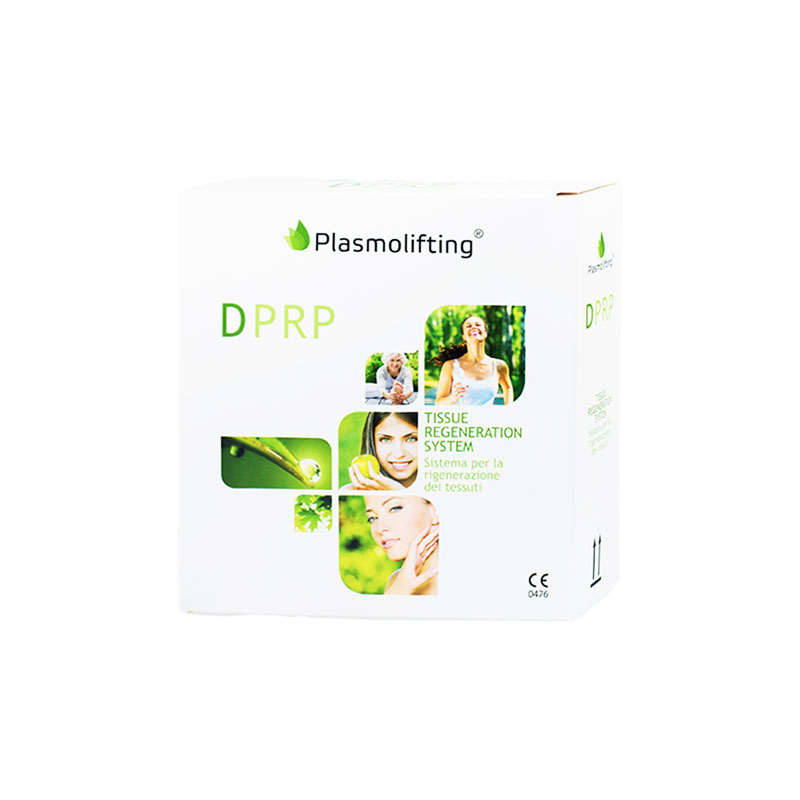
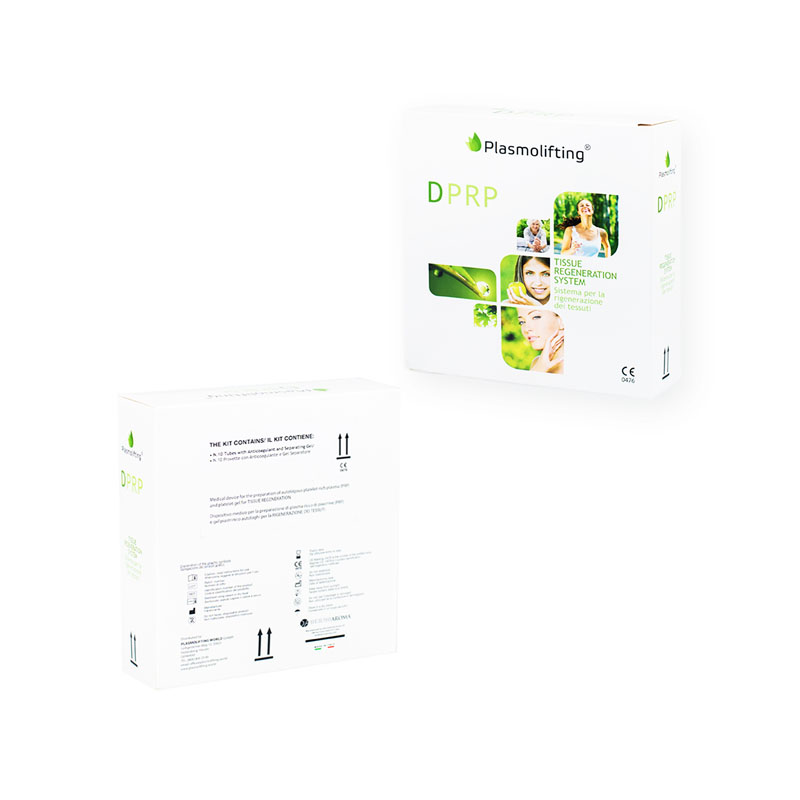
Description of Plasmolifting PRP Gel
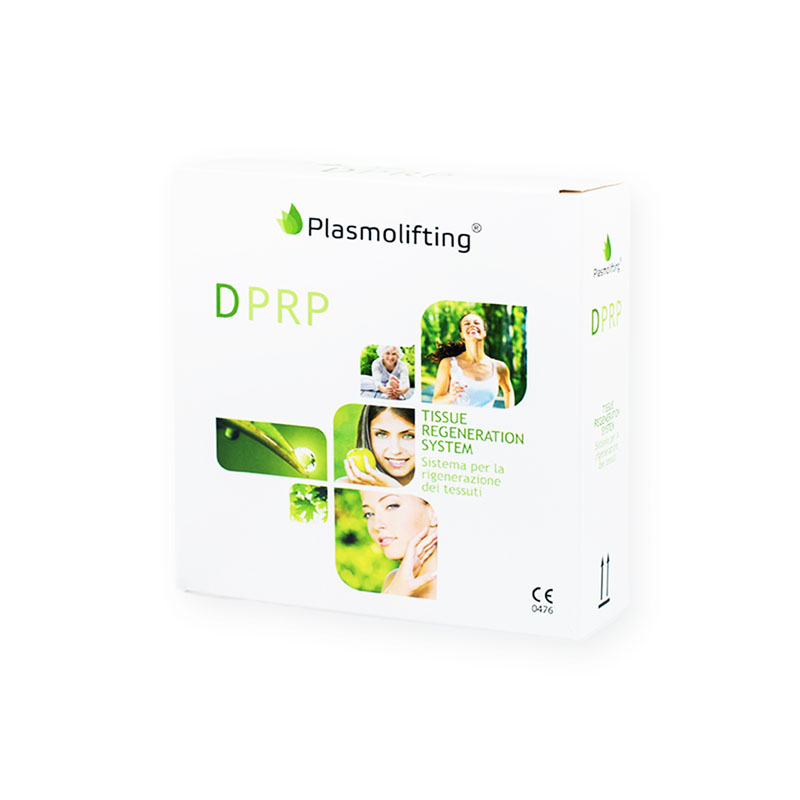
Plasmolifting PRP Gel is a revolutionary therapy that uses the patient’s blood plasma for skin rejuvenation. The procedure involves collecting blood from the patient and using special tubes containing thixotropic separation gel and a sodium citrate-based anticoagulant to separate platelet-rich plasma from other blood components.
The main advantage of this procedure is that it uses the patient’s own healing elements to rejuvenate and revitalise ageing and sagging skin on the face, neck, décolleté, hands, and legs. Since the patient’s own blood is used, it is especially useful for those who may be allergic to common dermal filler components, such as hyaluronic acid.
This procedure addresses skin concerns such as acne scars, pigmentation spots, wrinkles, nasolabial folds, and various expression lines around the eyes, mouth, and forehead. The process activates the body’s regenerative abilities in the targeted areas, making it a highly biocompatible option for skin rejuvenation.
Key Uses of Plasmolifting PRP Gel
- Application to the face, neck, décolleté, hands, and legs
- Use of the patient’s own regenerative elements to rejuvenate ageing and sagging skin
- Reshaping unclear facial features and contours
- Correction of age-related concerns such as wrinkles, acne scars, pigmentation spots, and various expression lines
- Achieving healthier and firmer skin using the client’s own compatible ingredients
Manufacturing Information for Plasmolifting PRP Gel
This product is manufactured by the Italian company Industrie Biomediche & Farmaceutiche. The innovative procedure was invented by two Russian doctors, Renat R. Akhmerov and Roman F. Zarudy.
Expected Benefits and Treatment Results
- Platelets stimulate tissue regeneration, vascularisation, and collagen synthesis through growth factors and proteins.
- PRP tubes with patented thixotropic gel effectively separate plasma from other blood components.
- Suitable for clients who are allergic to common dermal filler ingredients.
- Can be combined with other procedures and treatments.
- Safe and well tolerated due to the use of the patient’s own blood elements, minimising side effects.
Plasmolifting PRP Gel Main Ingredients and Device Properties
- Thixotropic separation gel
- Sodium citrate-based anticoagulant
Included Items or Accessories
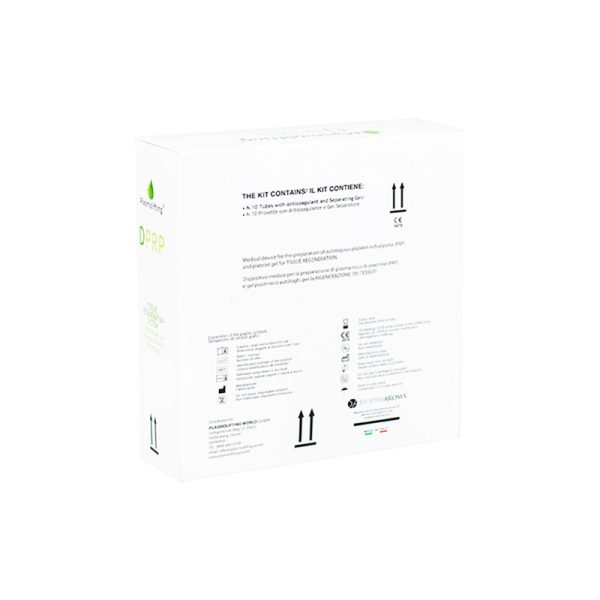
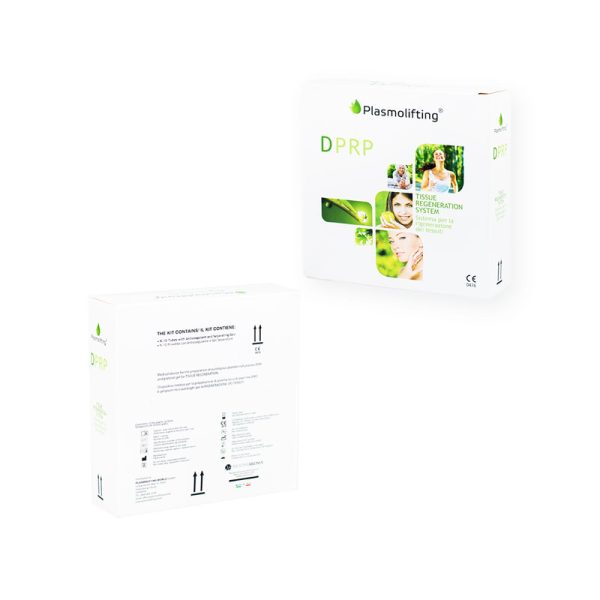
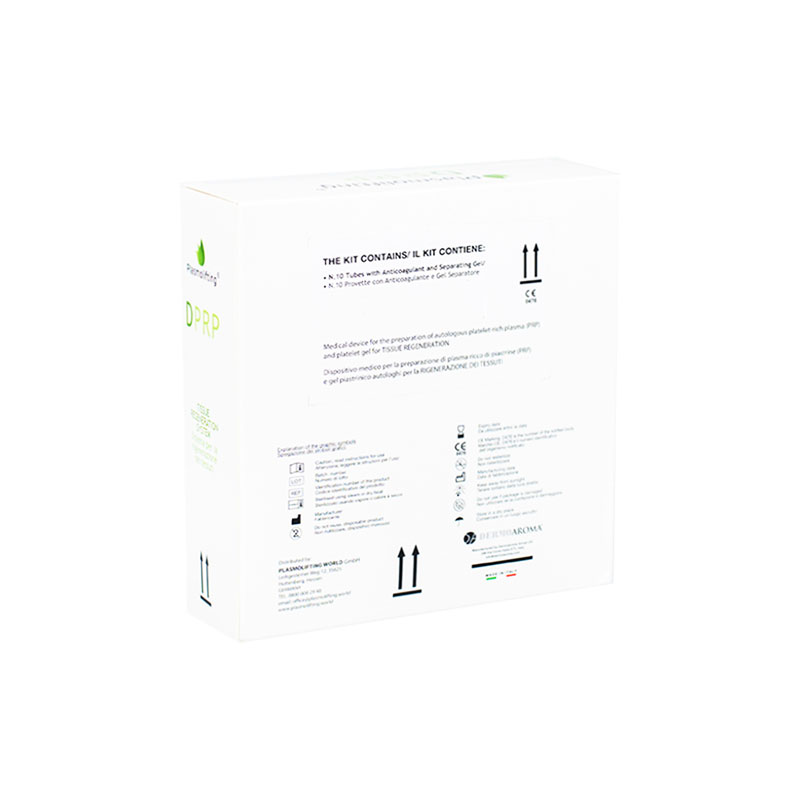
- 10 glass tubes of 9 ml each with blood anticoagulant and patented thixotropic separation gel.
- Product information leaflet
Application Method for Plasmolifting PRP Gel
- The procedure must be performed by qualified medical professionals.
- Consult patients about their aesthetic goals and check for contraindications.
- Draw approximately 9 ml of blood from the patient’s vein using a butterfly needle.
- Mix the collected blood with the contents of the PRP Gel tube using a vacutainer.
- Centrifuge the blood tube for 5 minutes at 4000 rpm.
- Heat the PRP tube at 95 °C for 3–6 minutes to form plasma gel.
- Inject the plasma gel using a 30G needle with an intradermal method.
- Treatment requires 2–10 sessions at intervals of 7–10 days.
Proper Aftercare RecommendationsAvoid direct sunlight and ultraviolet radiation.
- Avoid moisture, including swimming pools, saunas, and beaches.
- Do not apply cosmetics or skincare products for one day.
- Avoid physical activity for several days.
- Apply ice or cold compresses to relieve pain and swelling.
- Do not consume alcohol, tobacco, or caffeine for 1–2 days.
- Do not touch or massage the treated area.
Duration of Plasmolifting PRP Gel Results
The injected Plasmogel dissolves after approximately three months. However, the actual effect may last for 18–24 months, depending on the patient’s age, habits, and lifestyle.
Possible Risks and Side Effects
Common side effects include pain, swelling, inflammation, bruising, tenderness, and itching around the injection sites. These effects usually disappear within a few days. If the effects last longer than one week, or if abscesses or allergic reactions appear, medical advice should be sought.
Plasmolifting PRP Gel Contraindications
The procedure is not suitable for:
- Patients with bloodstream infections or systemic blood disorders
- Patients with autoimmune diseases
- Patients with acute infectious diseases
- Patients with hypersensitivity to anticoagulants
- Patients with leukaemia
- Active smokers
- Pregnant, breastfeeding, and menstruating women
- Minors