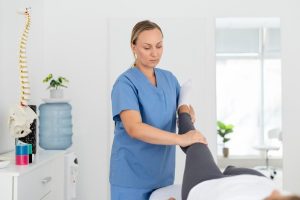
How Do Lifestyle Factors Influence the Success of Orthopedic Injections?
Orthopedic injections help many people move with less discomfort. They reduce swelling, make the joint feel lighter and make daily movement manageable again. But the injection is only part of the story. What patients do at home (how they eat, sleep, move and rest) shapes the results in ways that are easy to overlook. A joint that is looked after day to day responds very differently from one that is constantly under strain.
The Role of Lifestyle in Joint Health
Lifestyle is not a single factor. It is the combination of habits repeated every day: diet, activity, sleep and stress management. Each of them can increase or reduce inflammation. When inflammation stays low, injections tend to work better and longer. When it spikes, relief may fade sooner.
Clinicians look at patterns over time, including tolerance to repeated orthopedic injections, to understand how a joint behaves in the long run. Two patients can receive the same treatment and see different results simply because one had a calmer baseline.
The tissues around the joint matter too. Muscles, tendons and ligaments respond to how a person lives. If they are tight, weak or constantly irritated, the joint absorbs more stress. If they are well conditioned, the injection has fewer obstacles to overcome.
How Lifestyle and Orthopedic Injections Work Together
Lifestyle and treatment are not separate. A rested, well-hydrated joint behaves differently from one that has been overworked all week. Nutrition, sleep and mood all influence how tissue repairs itself.
Patients often ask whether orthopedic injections are safe, and safety is always linked to timing, technique and how the body handles stress around the appointment. When the body is under pressure from poor sleep, constant tension or irregular activity, the joint settles less easily.
Inflammation sits at the centre of all this. Diet can increase it or keep it quiet, sleep helps reset it, and stress can raise it within minutes. Injections calm inflammation, but lifestyle determines how quickly it returns.
Movement plays its own role. Light activity keeps the joint flexible and improves circulation, which supports the treatment. Heavy activity too soon can undo that balance.
The Role of Nutrition
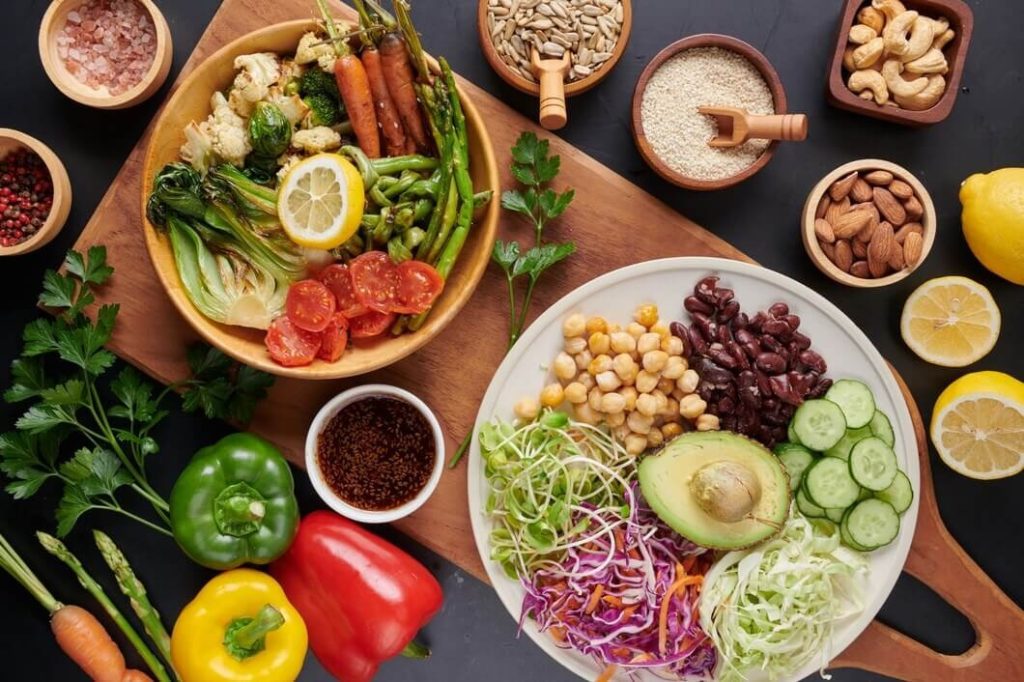
Diet is rarely the first thing patients think about when booking an injection, yet it shapes the whole recovery period. Following the principles of Canada’s Food Guide (plenty of vegetables and fruit, whole grains and protein foods, with water as the drink of choice) is a simple starting point. Omega-3-rich foods such as salmon, trout or canola oil help moderate inflammation, and fruits and vegetables provide antioxidants that support repair.
Calcium and vitamin D help maintain bone and joint structure. Vitamin D deserves particular attention in Canada, where sunlight is limited for much of the year; patients can discuss supplementation with their healthcare provider. On the other hand, a poor diet or dehydration tends to amplify irritation and shorten the relief patients feel after treatment.
Balancing Physical Activity

Movement keeps the joint healthy. Without it, stiffness sets in quickly. Low-impact activities such as walking, swimming, cycling or aquafitness reduce pressure on the joint while still supporting blood flow to the tissues.
Immediately after an injection, the joint needs a short period of rest. Once this window has passed, regular movement helps the treatment work, and stronger muscles around the joint reduce the load it has to carry.
Overexertion is one reason injections sometimes seem not to last. Gentle, consistent activity tends to extend results rather than shorten them. For patients who enjoy winter sports, returning to skiing, skating or snowshoeing gradually is the safest approach.
Weight Management and Joint Load
Weight has a direct effect on how weight-bearing joints feel. Even a modest reduction eases pressure on the knees and hips, so the injection has fewer flare-ups to counter. Weight loss does not need to be rapid: slow, steady change reduces irritation more than many patients expect.
When pressure on the joint decreases, patients often notice that relief lasts longer and the joint feels more stable between appointments.
Sleep, Recovery and Stress
Sleep is when the body repairs itself: inflammation resolves, tissues recover and the nervous system calms down. Poor sleep keeps the body in a low-grade state of stress, which can blunt the effect of treatment.
Stress works the same way, as elevated cortisol increases inflammation. Simple habits such as slow breathing, stretching or meditation help reduce this background stress and allow the joint to respond more fully.
Habits That Undermine Injection Results
A few habits work directly against injection success:
- Smoking, which constricts blood vessels and slows tissue repair
- Heavy alcohol consumption, which disrupts recovery
- Long periods of inactivity, which stiffen the joint
Changing these habits is not about perfection. Small adjustments help the joint more than most people expect.
Long-Term Maintenance After Orthopedic Injections
Once the injection has done its initial work, maintenance takes over: gentle movement, an anti-inflammatory diet, good hydration and regular sleep. These routines help prevent inflammation from returning and protect the tissues around the joint.
Follow-up appointments help detect subtle changes in gait, stiffness or swelling early. Clinics can compare single-injection and multi-injection viscosupplements such as SYNVISC®, MONOVISC® and DUROLANE® in our orthopedic injections category.
References
- Montagnino, G., & De Luca, A. (2025). Optimizing orthobiologic therapies with exercise, diet, and supplements. PM&R, 17(4), 424-432. https://doi.org/10.1002/pmrj.12617
- Ballegaard, C., Pedersen, S. J., & Hagen, K. B. (2025). The relationship between lifestyle factors and outcome of biologic therapy in axial spondyloarthritis: Smoking and BMI as key determinants. Arthritis Research & Therapy, 27(1), 134. https://doi.org/10.1186/s41927-025-00529-4
- Louis, M.-H., Berquin, A., & Steyaert, A. (2023). Do lifestyle factors influence pain prognosis? A 1-year follow-up study. British Journal of Pain, 17(3), 345-353. https://doi.org/10.1177/20494637231152975
- Argut, S. K., & Demirtas, T. (2023). Factors affecting platelet-rich plasma characteristics: The influence of lifestyle and habits. Current Orthopedic Reviews, 19(2), 114-120. https://doi.org/10.2174/1874325002307020114
- Cheng, A. L., & Johnson, R. J. (2022). Unique characteristics of patients who choose an intensive lifestyle medicine program for musculoskeletal pain. American Journal of Lifestyle Medicine, 16(4), 393-401. https://doi.org/10.1177/15598276221092804