Do Dermal Fillers Dissolve Naturally Over Time?
One of the reasons hyaluronic acid fillers are so popular is that they are not permanent: the body gradually breaks them down. This reassures many patients, but it also raises questions. How long does it take? Do all fillers dissolve? And can a filler be removed if the result is not right? Here are the answers.
How Dermal Fillers Work in the Body
Hyaluronic acid (HA) is a substance naturally present in the skin. HA fillers are made of cross-linked HA, which makes the gel more resistant to the enzymes that normally break down hyaluronic acid in a few days. Over the months, these enzymes and natural metabolic processes gradually degrade the gel, until the body has fully resorbed it.
Biostimulators work differently: their particles are gradually absorbed, while the collagen they have stimulated remains for a longer time.
Types of Dermal Fillers and Their Longevity
- HA fillers (JUVÉDERM®, RESTYLANE®, BELOTERO®, TEOSYAL®, REVANESSE®, STYLAGE®, SAYPHA®): generally six to eighteen months depending on the product and area.
- Calcium hydroxylapatite (RADIESSE®): often around a year or more.
- Poly-L-lactic acid (SCULPTRA®): results can last up to two years after a full treatment series.
- Skinboosters: shorter duration, with maintenance sessions every few months.
Do Dermal Fillers Dissolve Naturally?
Yes, HA fillers and biostimulators are resorbable: the body eliminates them gradually. The process is slow and progressive, which is why results fade gradually rather than disappearing suddenly. Some studies using imaging have shown that HA can remain in the tissue longer than the visible effect suggests, which is one reason injectors assess previous treatments before adding more product.
Factors That Influence How Quickly Fillers Dissolve

- The product: a more cross-linked, firmer gel generally lasts longer.
- The area: mobile areas such as the lips break down filler faster than the cheeks or chin.
- The volume injected: larger volumes tend to last longer.
- Metabolism: people with a fast metabolism or who exercise intensely may see results fade sooner.
- Sun exposure and smoking, which accelerate the breakdown of HA and collagen.
Our article on HA filler longevity explains these factors in detail.
Can Fillers Be Dissolved Immediately If Needed?
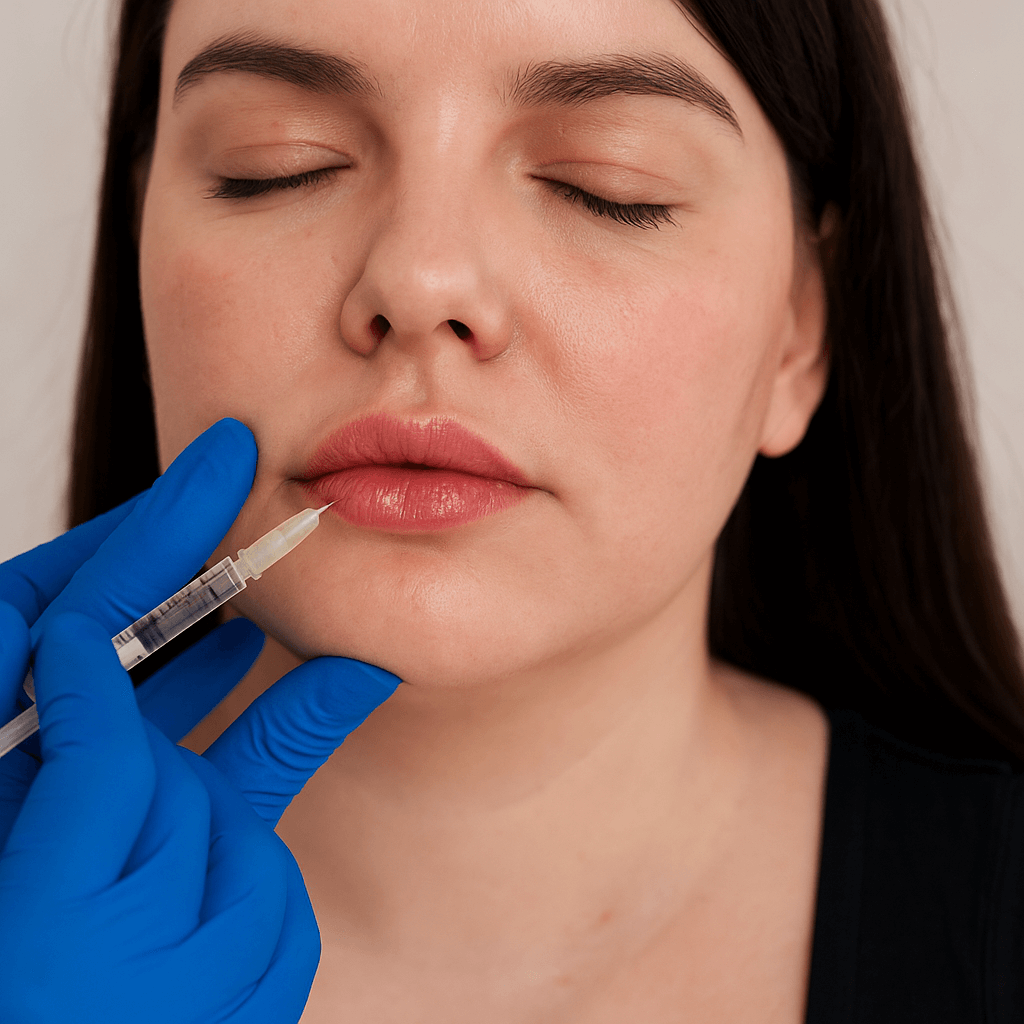
HA fillers can be dissolved with hyaluronidase, an enzyme injected by the professional into the area. It breaks down the HA within hours to a few days. This is used to correct an unsatisfactory result, migration or lumps, and urgently in case of vascular occlusion. Biostimulators cannot be dissolved this way.
Maintaining Results for Longer
- Protect your skin from the sun year-round, including in winter.
- Avoid smoking.
- Stay hydrated and maintain a good skincare routine.
- Plan touch-ups before the product has completely disappeared.
Clinics can find all products in our dermal fillers category.
References
Direct Aesthetics. (2025, February 3). How fillers settle, adjust, and integrate over time. Retrieved September 8, 2025, from https://www.direct-aesthetics.com/how-long-does-it-take-for-fillers-to-dissolve/
Lindberg, S. (2021, November 15). How long does filler last for Juvederm, Restylane, More. Healthline. Retrieved September 8, 2025, from https://www.healthline.com/health/how-long-does-filler-last
Beauty Vault Med Spa. (2025, May 22). Where does dermal filler actually go when dissolved? A doctor explains. Retrieved September 8, 2025, from https://beautyvaultmedspa.com/education/where-does-dermal-filler-actually-go-when-dissolved-a-doctor-explains/