Who Is a Good Candidate for Dermal Fillers?
Dermal fillers are non-surgical treatments that help restore volume, smooth out lines, and refresh the face. Dermal fillers are among the most requested aesthetic treatments in Canada. They can restore volume, soften lines and enhance features with little downtime. But they are not right for everyone at every moment. A good candidate combines suitable health, clear goals and realistic expectations. This article explains the main criteria.
Understanding What Dermal Fillers Do
Dermal fillers are injectable gels placed under the skin to add volume, support structure or improve skin quality. Most are made of hyaluronic acid (HA), a substance naturally present in the skin, and can be dissolved if needed. Biostimulators, such as RADIESSE® and SCULPTRA®, work differently by stimulating collagen. Our article on types of dermal fillers describes each category.
General Traits of Good Candidates

- Adults in good general health.
- No active skin infection or inflammation in the area to be treated.
- Clear, specific goals, such as more defined lips or softer folds.
- Realistic expectations about what fillers can and cannot achieve.
- Willingness to follow aftercare instructions and attend follow-up.
Candidate Criteria by Goal
Lip Enhancement
Good candidates have thin lips, lips that have lost volume with age or asymmetry they would like to correct. Soft, flexible HA fillers designed for the lips allow natural movement.
Smoothing Wrinkles
Fillers work best on static lines and folds, such as the nasolabial folds or marionette lines. Lines caused by muscle movement, such as frown lines, are often better addressed with other treatments.
Volume Restoration
Patients who have lost volume in the cheeks, temples or under the eyes with age or weight loss are often good candidates for firmer HA fillers or biostimulators.
Facial Balancing
Fillers can enhance the chin, jawline or nose profile to improve facial harmony, in patients with good skin quality and a clear understanding of the proportions they want to achieve.
Situations That May Delay Treatment
- Pregnancy or breastfeeding.
- An active infection, cold sore or acne flare in the area.
- Recent dental work or a planned dental procedure in the coming weeks.
- An upcoming important event in less than two weeks.
- Certain medications or conditions that increase bleeding, or an autoimmune condition that is not stable; the injector will assess them.
- A known allergy to a component of the product, such as lidocaine.
How to Prepare for a Consultation
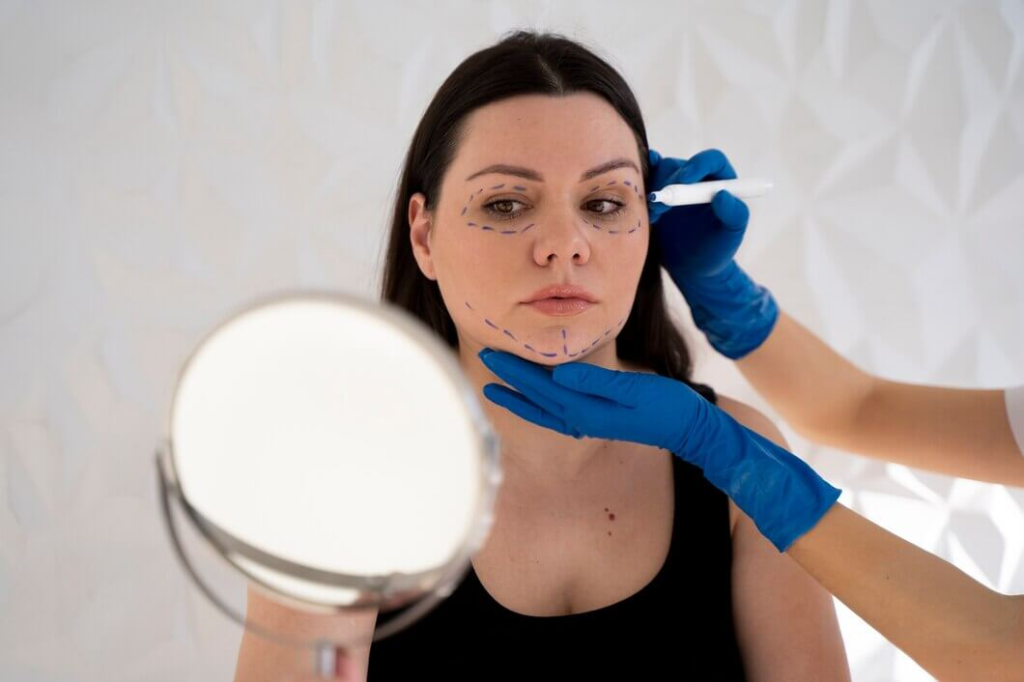
- List your goals and bring photos if they help explain them.
- Share your medical history, medications, supplements and previous aesthetic treatments.
- Prepare your questions. Our list of questions to ask during a filler consultation can help.
- Check the injector’s qualifications. In Canada, who may inject fillers depends on the province and the professional college.
Final Considerations Before Getting Fillers
Emotional Readiness
Fillers can boost confidence, but they work best when the decision is personal and not driven by external pressure.
Budget
Results are temporary, so maintenance treatments should be planned. A staged plan can make the budget easier to manage.
Time
Allow one to two weeks before an important event for swelling or bruising to settle.
Clinics can explore all products in our dermal fillers category.
References
Parkins Plastic Surgery. (2023). Who are the best candidates for facial fillers? Retrieved August 5, 2025, from https://www.parkinsplasticsurgery.com/who-are-the-best-candidates-for-facial-fillers/
Sclafani, A. P., & Fagien, S. (2009). Treatment of the aging face with soft tissue fillers. Clinics in Plastic Surgery, 36(2), 301–312.
https://doi.org/10.1016/j.cps.2008.11.008
Lemperle, G., Holmes, R. E., Cohen, S. R., & Lemperle, S. M. (2001). A classification of facial wrinkles. Plastic and Reconstructive Surgery, 108(6), 1735–1750. https://doi.org/10.1097/00006534-200111000-00046Sadick, N. S. (2008). Soft tissue fillers: Overview of clinical use. Dermatologic Surgery, 34(S1), S115–S128. https://doi.org/10.1111/j.1524-4725.2008.34249.x