Are Orthopedic PRP Injections Worth It? Here’s What to Expect
Platelet-rich plasma therapy, or PRP, is a treatment that uses your own blood to help your body heal itself. A small amount of blood is drawn, processed, and then reintroduced into a joint or muscle that needs repair. The idea is simple. Your platelets already contain the growth factors that begin healing when you are injured. PRP just concentrates them and puts them where they are most useful.
This method has become popular with people who want to stay active but prefer to avoid surgery. For many, it sits between physical therapy and more invasive options. It works quietly, using what is already inside your system.
In this article, we will look at what orthopedic PRP injections are, how they work, what the procedure feels like, and how to decide whether it might be right for you. You will also see how they fit among other orthopedic injection types that are commonly used to ease joint or tendon pain.
Understanding Orthopedic PRP Injections
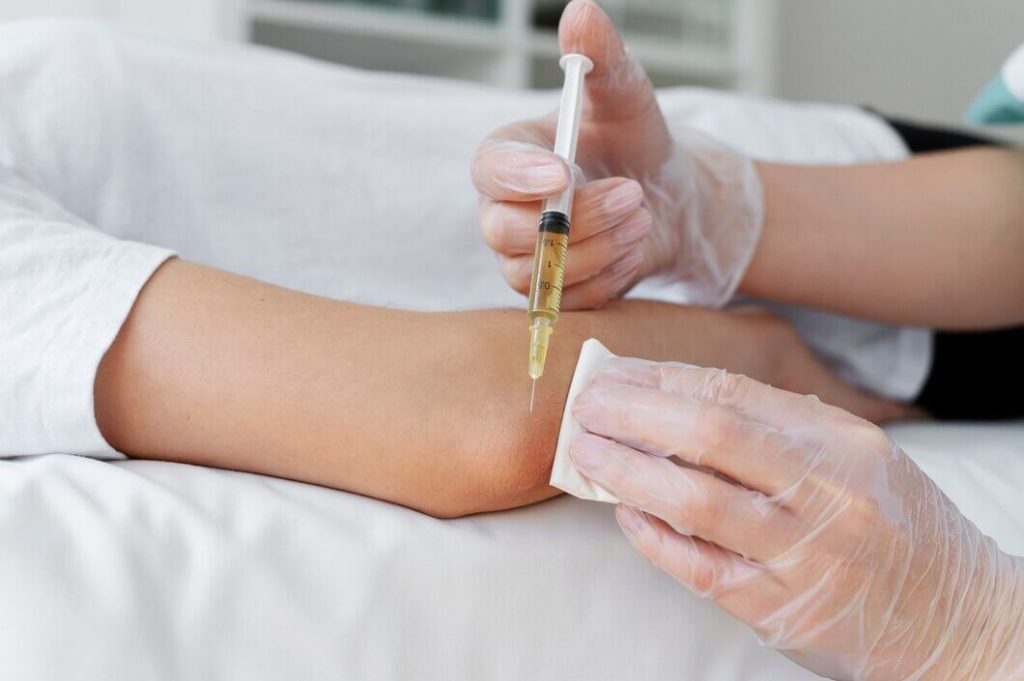
Orthopedic PRP injections use your own blood as the foundation for treatment. The blood sample is placed in a centrifuge, a small machine that spins quickly. That motion separates the layers of blood so the clinician can collect the part that contains the most platelets. These platelets hold growth factors, which are small proteins that help the body build new cells and repair tissue.
When this concentrated plasma is injected into a joint or tendon, it releases those growth factors at the site of the injury. The body recognizes the signal and begins to restore what was damaged. Over time, this reduces swelling, improves movement, and makes the area more stable.
Doctors use PRP in several areas of care. It is often chosen for people with mild arthritis, tendon irritation, or recovery after orthopedic surgery. It may also be combined with an injection for orthopedic pain when both comfort and long-term healing are needed.
PRP is not a chemical treatment. It does not mask symptoms or act like a drug. It simply guides your own repair process toward the place that needs it most.
How PRP Therapy Works in Orthopedics
The process begins with a small blood draw, usually from your arm. The amount taken is no more than what you would give for a standard test. The tube is placed in a centrifuge and spins for ten to fifteen minutes. This separates the red blood cells from the plasma.
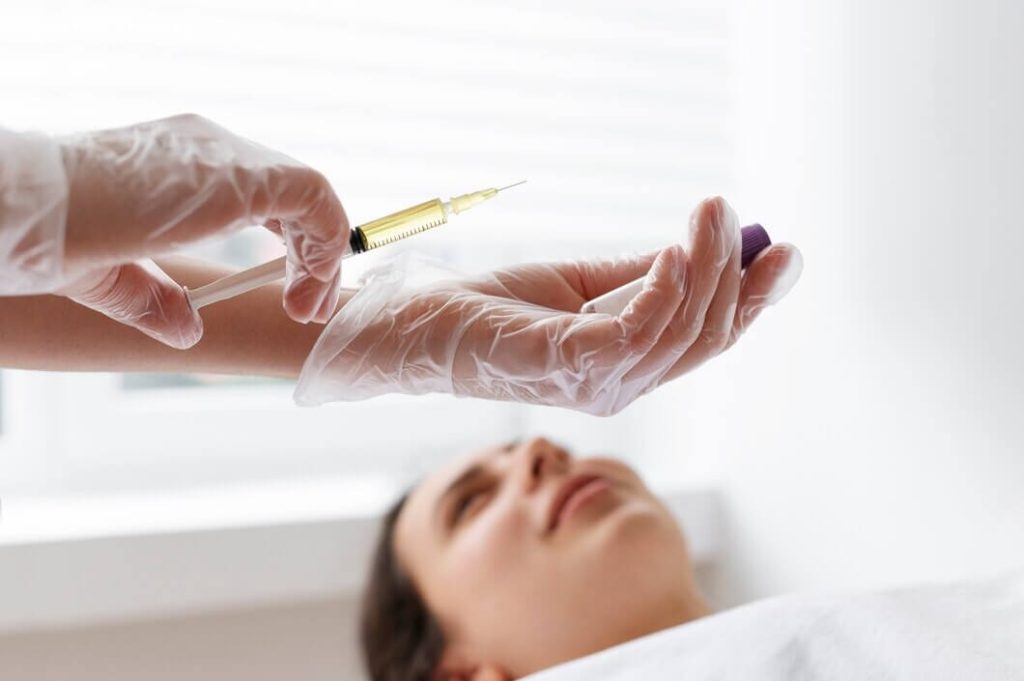
The top layer is clear and rich in platelets. That is what becomes your injection. The clinician transfers it into a new sterile syringe and prepares the target area. Some use ultrasound to see exactly where the plasma should go.
Once the site is cleaned, the PRP is injected directly into the joint or soft tissue. You might feel a sense of fullness or mild pressure. The whole appointment usually takes less than an hour.
Afterward, the platelets begin releasing growth factors that attract repair cells. These cells create new collagen and other structural proteins that strengthen tissue. The inflammation that once caused stiffness starts to settle as the area rebuilds.
PRP is often described as natural because it comes from your own blood. There is no synthetic material, no added medication, and no foreign substance that your body must adjust to. It is your biology, redirected.
Benefits of Orthopedic PRP Injection Treatments
The main reason people choose an orthopedic PRP injection is that it helps repair tissue rather than only reduce pain. It gives the body the resources it needs to fix what is wrong.
For many patients, this means movement becomes easier. Daily actions like climbing stairs or walking longer distances begin to feel smoother. Joints often feel less heavy and more stable.
Because the material comes from your own blood, the risk of allergic reaction is minimal. There is no general anesthesia, and no recovery period that keeps you away from work for weeks. Most people go home after the appointment and continue with light activity.
The treatment can also be repeated when needed. Some patients see strong results after one session. Others come back for two or three sessions over several months to strengthen the effect. Your doctor will tailor the schedule based on how your body responds.
PRP can be used in knees, hips, shoulders, and even smaller joints like wrists and ankles. It can also support healing in muscles and tendons that have been slow to recover. The therapy adapts to many situations because the goal is the same: to restore healthy, flexible tissue that moves freely.
Conditions Treated with PRP in Orthopedics
In PRP injection orthopedics, the most common reason for treatment is osteoarthritis. When cartilage wears down, the bones rub together, creating pain and swelling. PRP can calm that process and help preserve what is left of the cartilage. It does not rebuild entire joints, but it improves how they move and feel.
Tendon injuries are another common use. These include tennis elbow, Achilles tendonitis, and rotator cuff irritation. Because tendons receive little blood flow, they heal slowly on their own. PRP gives them the extra boost that circulation alone cannot provide.
Ligament sprains, small tears, and post-surgical recovery are also treated with PRP. In these cases, the plasma acts as a support system that shortens recovery and strengthens the new tissue that forms.
Your doctor will evaluate your condition through examination and imaging before recommending PRP. It works best for mild to moderate injuries, where the body still has good potential to rebuild.
What to Expect During the Procedure
When you arrive for your session, the clinician will review your medical history and explain each step. A small amount of blood will be drawn from your arm. While it is processed, the area that will receive the injection is cleaned and prepared.
Once the plasma is ready, the clinician places it directly into the affected area. If needed, ultrasound guidance ensures accuracy. Most people feel only mild discomfort. The sensation passes quickly.
You may rest for a few minutes before leaving. There is no heavy bandaging, and you can walk normally. Some patients notice a mild ache for a day or two, similar to muscle soreness after exercise. This is normal and fades on its own.
Recovery Timeline and Results
Recovery from PRP is usually short. Most patients return to daily routines within twenty-four to forty-eight hours. The first changes are subtle. Stiffness eases slightly, and movement feels less restricted.
The deeper healing happens slowly. The platelets release growth factors for several days, creating new collagen and improving circulation around the joint. Over the next few weeks, mobility and comfort continue to improve.
Full results often appear after six to twelve weeks. Some people schedule a second session to reinforce the effect. The benefits can last for months, especially when combined with gentle exercise and good joint care.
The goal is not an instant cure but steady progress. The tissue becomes stronger and more balanced. Pain decreases as the structure itself improves.
Are PRP Injections Worth It?
Whether PRP is worth it depends on what you want from your treatment. If you are looking for a natural way to heal and you prefer to avoid long recovery or medication cycles, it can be an excellent option.
PRP does not give the immediate relief of a cortisone shot, but it builds something more valuable: tissue that functions better. Patients often describe it as getting their movement back without feeling dependent on painkillers or surgery.
Clinics and medical suppliers have made this therapy easier to access through wholesale orthopedic injection products that allow consistent quality and safe preparation. As more research confirms its benefits, PRP has become a trusted part of modern orthopedic care.
If you are considering the treatment, talk with a qualified orthopedic specialist. They can review your condition, explain how PRP fits your situation, and set realistic expectations. Most people find that once they understand the process, the decision feels straightforward.
Orthopedic PRP injections may not promise an overnight change, but they give your body a genuine chance to heal. For many, that makes them worth it.
References
- Smith, J., & Lee, R. (2025). Potential pros and cons of PRP injections for osteoarthritis treatment. Nortex Spine and Joint. https://www.nortexspineandjoint.com/blog/potential-pros-and-cons-of-prp-injections/
- Johnson, T., Wang, Y., & Patel, M. (2023). Efficacy and safety of platelet-rich plasma injections for the treatment of osteoarthritis: A systematic review and meta-analysis of randomized controlled trials. Frontiers in Medicine, 10, Article 1204144. https://doi.org/10.3389/fmed.2023.1204144
- Brown, D., & Martinez, P. (2019). Impact of platelet-rich plasma use on pain in orthopaedic conditions: A systematic review. Orthopaedic Journal, 7(5), e6600577. https://www.ncbi.nlm.nih.gov/pmc/articles/PMC6600577/
- Sharma, R., Gupta, A., & Singh, K. (2024). Effectiveness of PRP injections compared to traditional therapies: A rapid review. IvyPanda Essays. https://ivypanda.com/essays/effectiveness-of-prp-platelet-rich-plasma-injections-compared-to-traditional-therapies/
- Alshahir, N., Alsanawi, H. A., & et al. (2025). Comparative efficacy of platelet-rich plasma and corticosteroid injections: Long-term outcomes. Orthopedic Reviews, Article 143581. https://orthopedicreviews.openmedicalpublishing.org/article/143581-comparative-efficacy-of-platelet-rich-plasma-and-corticosteroids