What Are the Main Orthopedic Injection Types—and Which Works Best?
Orthopedic injections are treatments that place medicine inside a joint or soft tissue area. They are used because discomfort often comes from inflammation or irritated tissue. People choose them when movement starts to feel stiff. They help restore regular function so walking or exercise does not feel like a struggle. Some injections work fast and give relief in a short time. Some work slowly and help the body repair damage over weeks or months. The purpose here is simple. Explain why each option matters. Explain how each option fits a different recovery goal.
Many clinics also offer orthopedic injection training for staff because correct technique changes outcomes. It affects comfort. It affects accuracy. It affects how the medicine sits inside tissue. Some clinics prepare new team members by practicing placement. This educational part happens behind the scenes. But it influences real results.
People should also know that orthopedic injections are not only used when pain is severe. Many active adults use injections before things get worse. Someone who exercises regularly often wants to protect their joints early so they can continue their sport. Some runners schedule injections before marathon season. Some people who enjoy hiking want to protect their knees so they can keep climbing small mountain trails for many years. Orthopedic injections fit that prevention mindset because they support the structure instead of waiting until the body reaches a breaking point.
Understanding Orthopedic Injections
Orthopedic injections place medicine into a target area. A joint is the place where two bones meet. When a joint becomes irritated, it swells. A tendon is the band of tissue that attaches a muscle to bone. When a tendon becomes irritated, the body reacts in a similar way. Orthopedic injections are not surgery. They are small needle procedures. Most people sit or lie down for a short time and then continue their day.
These treatments work because they bring medicine directly to the problem. They skip the long route through the bloodstream. They help reduce swelling. They help improve movement. They help the joint glide in a more natural rhythm. The concept is direct. You take the medicine and place it where the problem lives. That’s it. There is no complex system to activate. The body simply receives direct support.
People who care about their long-term mobility often choose this style of care. They want to use their body while they are older. They want to walk without fear of friction. They want to train for recreational sport without sacrificing comfort. Injection-based support sits well in that mindset because it allows freedom of motion without cutting into tissue.
The 5 Main Orthopedic Injection Types
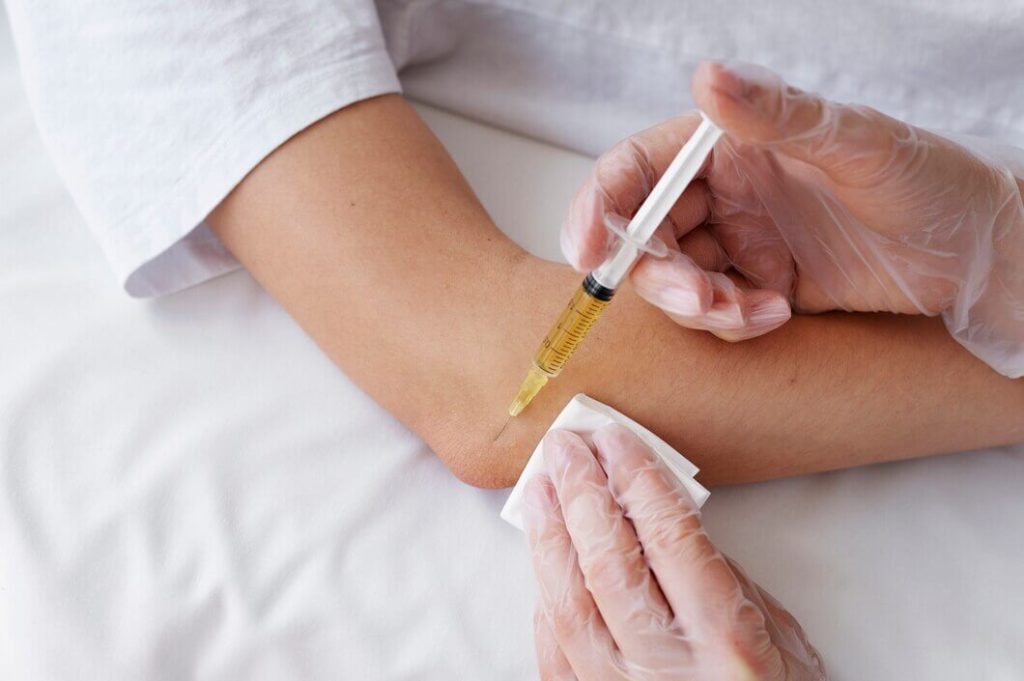
There are five main categories used most often in modern orthopedic care. Some target fast relief. Some support deeper repair. Age changes response. Activity level changes the response. People who spend hours standing at work may experience different results than someone who sits at a desk. Many professionals and athletes schedule treatment windows in advance because they know certain seasons are harder on their joints.
Corticosteroid Injections
Corticosteroid injections are a medicine that lowers inflammation. When swelling decreases, nerves calm down. People choose this when they want fast relief. These injections appear in the knees, shoulders, hips, elbows, and ankles. They help people return to standing tasks sooner. Some people use them to take the edge off when a busy season is coming. For example, someone working retail may choose this route before the holiday season because they know standing all day will challenge them.
Hyaluronic Acid Injections
Hyaluronic acid is a natural slick material inside joints. When more of it is injected, the joint surface glides more easily. Many people with knee osteoarthritis choose this option. The changes happen slowly. People notice how stairs feel over time. Hyaluronic acid fits people who want a gentle, non-surgical option. They want to feel smoother movement but do not want aggressive intervention. It allows natural activity to unfold more comfortably. If someone likes to walk for fitness instead of running, this blend of function and comfort aligns with their routine.
Platelet-Rich Plasma (PRP) Injections
PRP therapy concentrates platelets from a small blood sample. Platelets trigger tissue repair. When returned to a joint, they support healing. This method is not about fast relief. It is about building strength. That is why many athletes choose orthopedic PRP injections when they want a recovery that lasts. The goal is to keep training later in the year. PRP also fits active people who like to use the body in dynamic ways: tennis, dance, martial arts, or bodyweight training. They want their soft tissue to feel ready for challenge rather than worn down by it.
Stem Cell Injections
Stem cells can turn into different tissue forms. That simple ability makes them valuable in repair. Stem cell injections are used when cartilage is damaged. They help the body build new material. The result comes slowly. But the goal is strength and future movement. This is for someone who thinks long-term. Someone who looks ten years ahead. Someone who wants to protect their walking and running as they age. This is a patience-based choice.
Prolotherapy
Prolotherapy injects a simple sugar solution. This small irritation triggers the body to repair tissue. It works well when a ligament or tendon has been irritated for a long time. Several sessions may be needed. But the body responds by reinforcing the area. People who choose this option understand that slow repair can be meaningful repair. They want something that feels earned over time.
How to Choose the Right Orthopedic Injection Type
Every injection has a purpose. The right choice depends on the source of discomfort. A tendon injury might respond to PRP. A swollen joint may respond to a steroid shot. A rubbing knee might respond better to extra hyaluronic acid. A doctor looks at the cause. A doctor looks at daily activity. Someone who needs fast relief may choose a faster method. Someone who invests in long-term movement may choose something slower but more stable. Choice shapes trajectory. Small decisions can change movement quality for many years.
What to Expect During the Procedure
Orthopedic injections are usually fast. Most appointments take less than thirty minutes. Many clinics use ultrasound guidance. That means a screen shows the needle path. This helps direct the medicine accurately. A numbing spray makes the process more comfortable. After the injection, many people walk out normally. A heavy gym routine should usually wait a day. But light tasks remain normal.
Recovery and Aftercare Tips
Recovery feels different depending on the method. Steroid relief is fast. Hyaluronic acid relief builds slowly. PRP grows week by week. Stem cells have a longer arc. Prolotherapy grows from irritation into strength. Gentle walking is usually safe. Water helps regulate tissue. Small habits help keep the joint stable. Even small warm-ups before exercise can protect tissue after treatment.
Longevity and Maintenance of Results

Some injections last a short period. Some last longer. The body responds in its own rhythm. A runner may feel results differently than someone who sits at a desk all day. Some people return for follow-up sessions. Some people change their routine after injections. They switch exercises. They stretch. They warm up more. Clinics order products from verified medical distributors. That is why professionals prefer to buy orthopedic injections online from trusted medical platforms. Quality matters. Reliable products help support predictable outcomes.
Orthopedic injection care is not only about the moment of treatment. It is also about how someone moves afterward. The tissue needs regular support. When someone stays consistent with gentle activity, the injection becomes a long-term support tool rather than a short-term bandage.
References
Novant Health. (2024, April 16). 3 key orthopedic injections: Steroid, gel hyaluronic acid, and platelet-rich plasma. Novant Health. https://www.novanthealth.org/healthy-headlines/3-key-orthopedic-injections-steroid-gel-hyaluronic-acid-and-platelet-rich-plasma
Spire Healthcare. (2023, September 10). Joint injections for osteoarthritis: What are the different types? Spire Healthcare. https://www.spirehealthcare.com/health-hub/specialties/bones-and-joints/joint-injections-for-osteoarthritis-what-are-the-differe
Delmarva Pain & Interventional Spine. (n.d.). 4 different types of pain-relieving joint injections. Delmarva Pain.
https://www.delmarvapain.com/blog/4-different-types-of-pain-relieving-joint-injections
Orthopedic Institute SF. (n.d.). 5 common injections for treating orthopedic conditions. Orthopedic Institute SF. https://orthopedicinstitutesf.com/5-common-injections-for-treating-orthopedic-conditions/
Mass General Brigham. (2025, April 20). Types of injections that can help with joint pain. Mass General Brigham.