How Long Is the Orthopedic Injection Recovery Time — and What Helps?
Orthopedic injections are simple treatments that help ease joint pain and make daily movement feel lighter. The appointment itself is quick. Most people walk in, have it done, and leave shortly after. What stays with them, though, is the recovery. That is where the orthopedic injection recovery time becomes important.
Some people recover fast. Others take things a bit slower. The joint treated makes a difference, too. When people know what the next few days may look like, they tend to feel calmer and more prepared. It turns the whole experience into something manageable instead of something confusing.
What Is an Orthopedic Injection?
Orthopedic injections place helpful substances directly into a joint or the soft tissue around it. The aim is to calm irritation and make movement smoother. Doctors recommend them when a joint feels stiff, sore, or tired from regular strain.
There are several types of injections. Corticosteroid injections help lower swelling. Hyaluronic acid provides gentle lubrication, allowing the joint to glide with less friction. Platelet-rich plasma uses a small sample of the patient’s blood to support natural healing. Each option works in its own way, but all of them aim to restore comfort to the area.
People often ask how these treatments compare across different joints. Many hear about orthopedic injections for shoulder issues first, then realize the same idea applies to knees, hips, or ankles. It’s the same principle. Support the joint. Help it move the way it should. Let daily tasks feel easier again.
What Affects the Recovery Time for Orthopedic Injection?
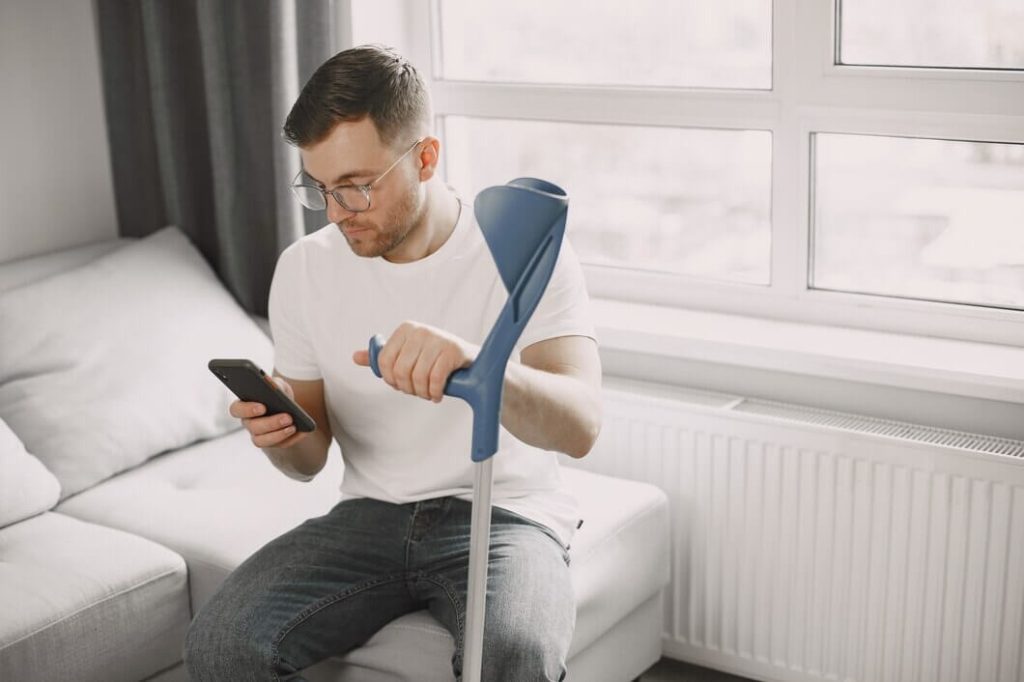
The recovery time for orthopedic injection varies from person to person. The type of injection is one factor. Steroid injections may settle quickly. Hyaluronic acid works more slowly. PRP builds its effect over time because it relies on the body’s own pace.
The joint treated also matters. Knees carry weight. Shoulders rotate through wide ranges. Hips support every step. Smaller joints behave differently, too. Activity level, age, and general health shift the experience. Someone who exercises often may feel more ready to move. Someone with a quieter lifestyle may notice the changes at a slower pace.
Mild soreness is common in the beginning. It usually fades without much effort. A bit of rest helps. Light movement, when done slowly, keeps the joint from getting stiff. People sometimes search for information about orthopedic injection side effects, but most of the time, recovery simply follows its own rhythm.
Typical Orthopedic Injection Recovery Timeline
Recovery isn’t the same for everyone, but most people follow a general pattern. Understanding that pattern makes the early days feel less uncertain.
- First 24 hours: The area might be tender or slightly swollen. Taking it easy helps the joint settle. A cold pack can be soothing.
- One to three days: The joint usually feels better. Stiffness fades a bit. Many people return to regular movement during this stage without pushing themselves.
- One week: Comfort improves. Light stretching feels easier. Any remaining stiffness usually softens. People often feel their confidence returning as the joint responds.
- Two to six weeks: This is when the deeper benefits appear. Treatments like hyaluronic acid and PRP continue working through the tissue. Movement feels more natural, and daily tasks feel less heavy on the joint.
Most people go back to their routine quickly, but everyone has their own pace. A doctor can shape the timeline if someone has specific activities or goals in mind.
What Helps Speed Up Recovery After an Injection?
The treated joint responds well to gentle care. A cold compress on the first day calms the area. Avoiding heavy exercise helps too. It keeps pressure away during the early stage.
Hydration supports the tissue. Eating well also helps the body recover. People often add light stretching as the joint feels more comfortable. If physical therapy is part of the plan, small sessions build strength around the joint without straining it.
The idea is simple. Rest enough to let things settle. Move enough to keep the joint from feeling tight. A steady balance gives the injection room to do its job.
When to Resume Normal Activities
The timing depends on the joint treated and the person’s routine. Light activities can start within one to two days. Gentle walking, easy chores, and comfortable movement at work are usually fine.
More intense activities need more time. Running, heavy lifting, or long workouts load the joint in different ways, so waiting a few days is usually best. It protects the joint while the tissue responds to the injection.
Work routines vary too. Desk work often starts the next day. Jobs that involve lifting or standing may need a short pause. Most people feel better when they take things slowly at first. Each day feels a bit easier, and the joint grows more stable as movement returns.
How to Maintain Results After Recovery
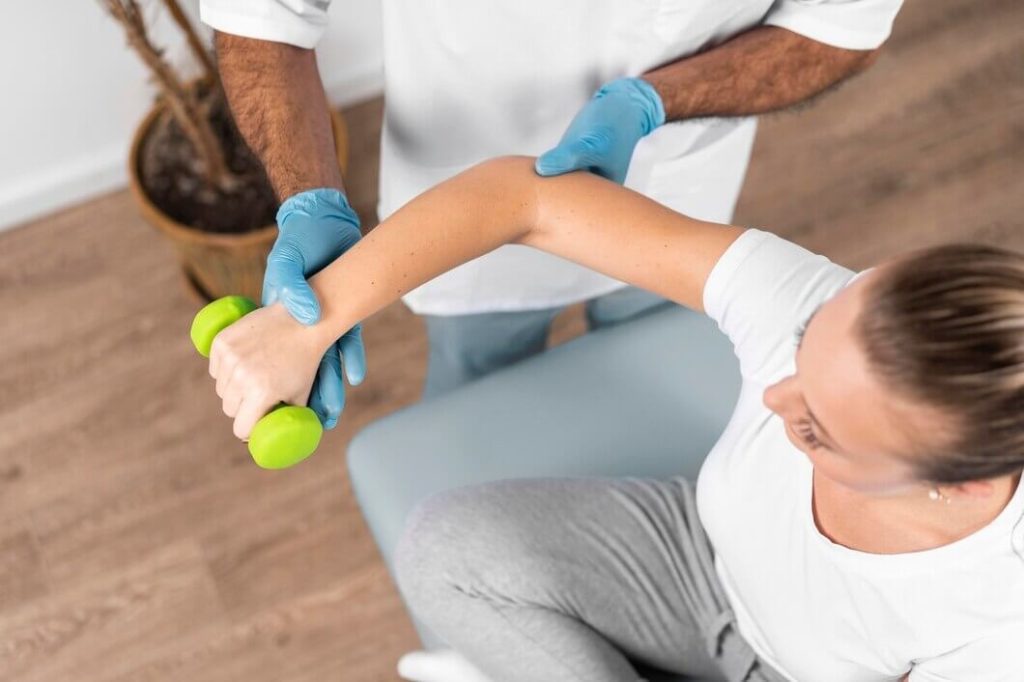
Long-term results stay stronger with consistent habits. Keeping a comfortable body weight helps reduce strain on the joints. Low-impact exercises like walking, cycling, and swimming keep the area moving without putting pressure on it. These activities build strength and flexibility gently.
Posture makes a difference as well. Supportive chairs, adjusted screen heights, and minor alignment adjustments help protect joints during daily activities. Many people keep a short routine of stretching and light strengthening to maintain results.
Follow-up visits allow the doctor to check progress. They help shape the next steps and keep care personalized. In larger settings, clinics rely on orthopedic injection solutions for hospitals to keep treatments consistent and safe, which helps people feel at ease throughout the process.
References
- Beeson Wellness. (2024, September 18). Rehabilitation after joint injections: What to expect. Retrieved from https://beesonwellness.com/rehabilitation-after-joint-injections-what-to-expect/
- Seigerman, D. (2021, August 2). Time to improvement after corticosteroid injection for trigger finger. PMC. https://pmc.ncbi.nlm.nih.gov/articles/PMC8425109/
- OrthoNebraska. (2023, August 15). How long do hyaluronic acid injections last? Retrieved from https://orthonebraska.com/how-long-do-hyaluronic-acid-injections-last/
- Hospital for Special Surgery. (2024, November 24). What to know about knee gel injections. Retrieved from https://www.hss.edu/health-library/conditions-and-treatments/knee-gel-injections-viscosupplementation
- OC Injections. (2024, July 25). How long do I have to rest after having a steroid injection? Retrieved from https://www.ocinjections.co.uk/how-long-do-i-have-to-rest-after-having-a-steroid-injection/