Are Orthopedic Injections for Shoulder Pain the Best Option?
Shoulder pain affects movement, sleep, posture, and daily activity. Many people look for ways to stay active without scheduling surgery or taking long breaks from their routine. This is why many choose orthopedic injections for the shoulder as a gentle treatment that fits a busy lifestyle. These injections place helpful substances directly into the tissues that need support. This targeted approach gives comfort without steps that take weeks to recover from. The goal is simple. Reduce discomfort, support healthy movement, and help the shoulder work with less strain.
Understanding Shoulder Orthopedic Injections
Orthopedic injections are treatments that bring relief to the shoulder joint. The shoulder joint is a ball-and-socket structure that depends on smooth movement to stay comfortable. When irritation builds around this area, even small motions can feel heavy or sharp. An injection places medicine or a healing substance where the irritation begins. This direct placement helps the tissue settle.
These treatments can help with swelling, stiffness, and reduced range of motion. Corticosteroids calm inflammation. Platelet-rich plasma supports natural repair. Hyaluronic acid improves lubrication. Each option works in a slightly different way. The doctor chooses the type after examining how the joint moves and what tissue needs attention.
Many patients hear about related treatments such as orthopedic injections for knee and notice a similar approach. The method works because it is precise. The injection goes into the exact structure that needs support. This accuracy is why so many people choose this path before considering surgery.
When Are Shoulder Orthopedic Injections Recommended

Shoulder injections are often suggested when daily movement becomes difficult. Common situations include rotator cuff irritation, tendon swelling, bursitis, arthritis, or general strain from repeated activity. The rotator cuff is a group of muscles and tendons that guide shoulder motion. When these tissues become irritated, even small movements can feel tiring.
Doctors may recommend injections when physical therapy or simple oral medication does not bring enough comfort. An injection helps calm the area so the patient can return to light movement. This return to movement is important. A still shoulder becomes weaker. A moving shoulder becomes stronger.
A careful diagnosis makes a difference. Some people feel pain in the shoulder even when the irritation starts in the neck or upper back. A specialist checks the range of motion, the strength of the tendons, and how the joint behaves during guided movement. This helps them choose the right injection plan.
How Do Shoulder Orthopedic Injections Work
Shoulder injections work by placing helpful substances where the problem starts. The doctor begins with a short examination and cleaning of the skin. A local anesthetic makes the area comfortable. The needle enters the joint or the surrounding tissue under ultrasound guidance. Ultrasound is a tool that shows the shape of the tissue on a screen. It helps the doctor place the injection gently and accurately.
Corticosteroids lower inflammation. This allows the tissue to relax and regain normal motion. Platelet-rich plasma supports healing. The platelets come from the patient’s own blood and carry growth factors. Growth factors are signals that help tissue recover. Hyaluronic acid improves the smoothness of the joint. This makes movement feel easier.
The appointment is short. Most people return to their day soon after the visit. Doctors often talk about orthopedic injection recovery time because it matters to active people. Recovery is usually simple. Mild rest, light movement, and awareness of posture help the shoulder return to its routine.
Are Shoulder Orthopedic Injections the Best Option
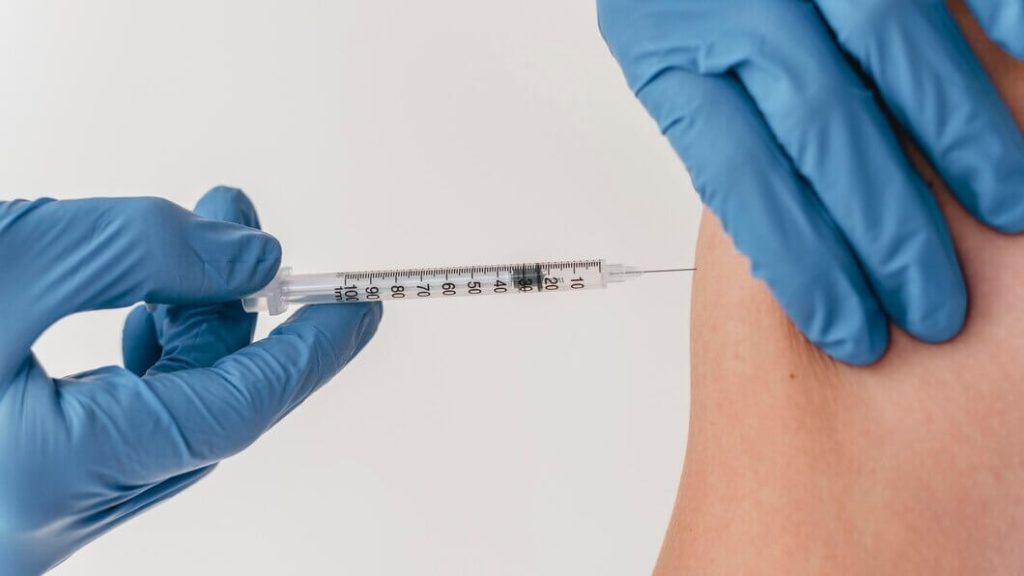
Shoulder orthopedic injections can be the best option for many people, especially those who want relief without steps that interrupt their lifestyle. They offer comfort without long waiting periods. They support movement without heavy restrictions. They also fit well with physical therapy plans that build strength around the joint.
To decide if this is the best option, it helps to compare injections with other choices. Oral medication gives general relief but does not reach the exact spot that needs attention. Physical therapy builds long-term strength but may feel difficult when the shoulder is irritated. Surgery can repair deeper problems but requires more time and preparation. An injection sits between these options. It brings comfort while keeping daily life steady.
Some people want to know where the materials come from or how clinics prepare for these treatments. This is where a resource like an orthopedic joint injections wholesale supplier supports medical providers. Clinics rely on these suppliers for sterile equipment and consistent quality. This ensures the treatment feels safe and predictable for the patient.
In many cases, injections are the best step before considering surgery. They offer clear support, fast comfort, and space for healthy movement to return.
Benefits and Limitations of Orthopedic Injections
Shoulder injections have several clear benefits. They give fast comfort in many cases. They help the shoulder move with more ease. They allow patients to join physical activity sooner. Many people report better strength once the irritation settles.
There are practical limits to consider. Results vary from person to person. The shoulder may need more than one treatment over time. These steps must be done by a trained professional. The doctor decides the right timing based on how the shoulder responds and how active the patient is.
The most important point is simple. Injections are part of a full care plan. They allow the patient to move with less discomfort so they can rebuild strength in a safe way.
What to Expect Before, During, and After the Procedure
Before the injection, the doctor checks the shoulder. This includes movement tests and a review of the patient’s activity level. They may use imaging to confirm which structure needs support. The patient is advised to avoid heavy lifting for a short time before the visit.
During the appointment, the shoulder is cleaned. A small amount of local anesthetic helps the area relax. The injection is placed with the help of ultrasound. The patient may feel light pressure. The appointment is usually brief.
After the procedure, rest is recommended. Light stretches can help maintain mobility. People often feel steady improvement over the next few days. Many can return to regular routines the next morning. The care team explains how to build healthy habits as the shoulder becomes more comfortable.
Combining Injections with Other Therapies
Injections work best when paired with habits that support shoulder stability. Physical therapy helps strengthen the muscles that guide the joint. Stretching reduces tension. Strength training improves posture. Balanced nutrition supports tissue recovery. Good form during exercise protects the shoulder from repeated strain.
These steps do not need to be complex. Small daily motions keep the joint healthy. The injection creates a window of comfort. What the patient does inside that window supports long-term results.
References
- Alshahir, N., et al. (2025). Comparative efficacy of platelet-rich plasma and corticosteroid injections for rotator cuff tendinopathy: A systematic review and meta-analysis. Orthopedic Reviews. https://orthopedicreviews.openmedicalpublishing.org/article/143581-comparative-efficacy-of-platelet-rich-plasma-and-corticostero
- Wang, W., et al. (2017). Effectiveness of corticosteroid injections in adhesive capsulitis of shoulder: A systematic review and meta-analysis. Archives of Physical Medicine and Rehabilitation. https://pubmed.ncbi.nlm.nih.gov/28700506/
- Gaujoux-Viala, C., et al. (2009). Efficacy and safety of steroid injections for shoulder and elbow tendonitis: A meta-analysis of randomised controlled trials. Annals of the Rheumatic Diseases. https://www.sciencedirect.com/science/article/pii/S0003496724215661
- Mihata, T., et al. (2025). Effectiveness of additional or standalone corticosteroid injections compared with physical therapist interventions for shoulder pain: A systematic review. Physical Therapy. https://academic.oup.com/ptj/advance-article-abstract/doi/10.1093/ptj/pzaf006/7965788
- Buchbinder, R., et al. (2003). Corticosteroid injections for shoulder pain. Cochrane Database of Systematic Reviews, (1), CD000016. https://pmc.ncbi.nlm.nih.gov/articles/PMC6464922/