What Are the Orthopedic Injection Side Effects — and How to Minimize Them?
Orthopedic injections are a simple way to ease joint irritation without a long recovery or complicated steps. People choose them for knees, hips, shoulders, and smaller joints that feel stiff or overworked. The idea is to calm the area and help it move the way it should. Most people handle the procedure well, but the body can still react in small ways afterward. These reactions are usually short and mild. Understanding them makes the whole experience feel less uncertain. This guide covers orthopedic injection side effects, how they feel, and what helps keep recovery steady. Many people also look into orthopedic injection recovery time ahead of their appointment, since reactions and recovery often overlap.
Understanding Orthopedic Injections
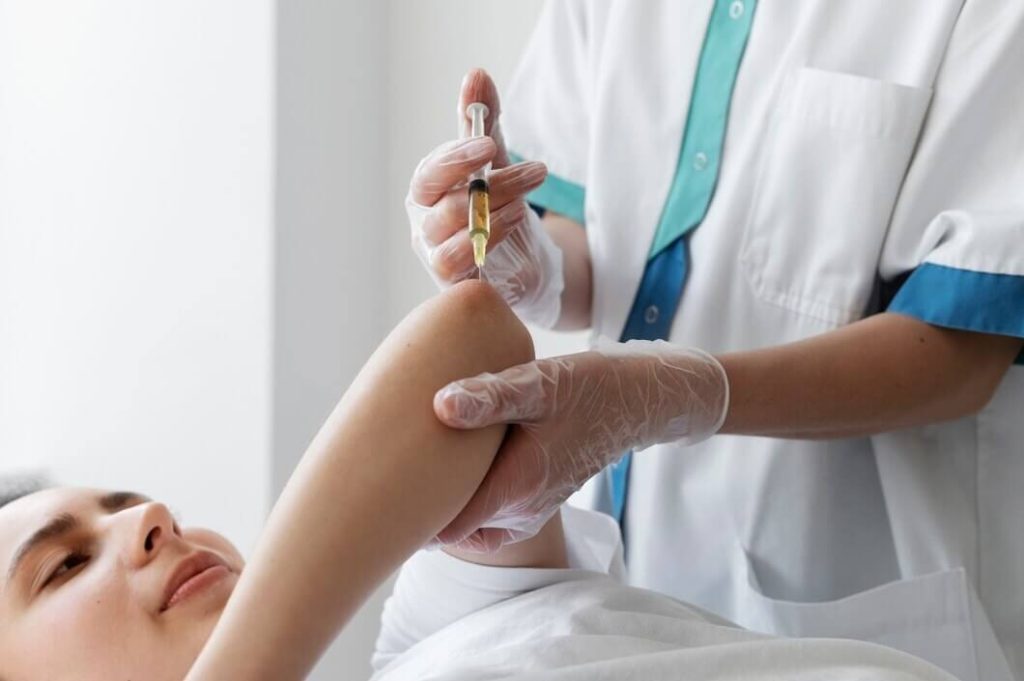
An orthopedic injection places a helpful substance directly into the joint or the soft tissue around it. The goal is simple: lower irritation, soften tightness, and give the area a bit more room to function comfortably.
Doctors use a few types of injections. Steroid injections help with swelling, which is the body’s natural response to strain. When swelling stays too long, the joint feels hot or heavy. Hyaluronic acid works differently. It gives the joint a bit of glide, almost like adding moisture back into a dry surface. And then there is platelet-rich plasma, a treatment using a small sample of the patient’s blood. The platelets inside carry signals that support natural repair.
All of these treatments are performed in a clean setting with careful technique. Imaging tools help guide placement. While learning about treatment options, many people also check orthopedic injection cost to understand different plans before choosing what feels right.
Common Side Effects of Orthopedic Injection
Most side effects of orthopedic injection fall into a very gentle range. A little soreness around the injection site is common. The tissue has been touched, so the area reacts. Some people notice mild redness, a small patch of warmth, or a bit of swelling. These signs show that blood flow has increased for a moment as the joint adjusts.
Light bruising may appear, especially if the skin is thin or if the needle went through a delicate layer. Stiffness is another short-lived reaction. It comes from the joint protecting itself for a few hours.
All of these reactions usually fade on their own. They settle faster when people rest for a short time. When planning the process, some look up orthopedic injection cost or similar details, but physically, these early sensations are usually the most noticeable part of the day.
Less Common but Possible Reactions
There are a few reactions that show up less often, though they are still mild for most people. A post-injection flare can happen within the first day. It feels like the joint becomes more irritated before it calms down. This flare tends to be brief.
Some people say they feel a bit puffy in the area because the body briefly holds onto extra fluid. Others experience a soft wave of fatigue, which doesn’t come from the joint but from the body redirecting energy toward recovery.
More serious issues like infection or allergies are extremely rare because clinics use sterile technique and controlled steps. Even so, any reaction that feels unusual is worth mentioning to a doctor. A quick check gives clarity and peace of mind.
Factors That Influence Injection Reactions
Every body responds differently. The substance used is one factor. Steroid injections may settle fast, sometimes with a brief feeling of warmth. Hyaluronic acid works in a quieter, slower way. PRP takes its pace from the person’s own healing response.
The joint itself plays a part. Knees hold weight all day. Shoulders rotate through large ranges. Hips manage every step. Smaller joints react differently because their structures are tight and compact.
General health matters too. Hydration affects how tissues behave. Nutrition shapes repair. Activity level sets the baseline for how quickly someone notices improvement. People with previous injection experience often feel more confident because they know what to expect.
Aftercare habits also influence the experience. Resting too little or doing too much can change the way the joint responds. A steady, moderate approach keeps reactions mild.
How to Minimize Orthopedic Injection Side Effects
Small habits help recovery feel smoother. Resting on the first day gives the joint time to adjust. A cold compress calms any swelling or warmth. Drinking enough water keeps the tissue flexible. Eating balanced meals supports the body’s repair process.
Avoiding heat on the first day matters because warmth can increase swelling too soon. Heavy exercise should wait a bit. The joint needs time to settle. Light movement, when it feels natural, keeps everything from becoming stiff. Stretching in small amounts is helpful, especially as comfort returns.
When clinics use reliable orthopedic injection therapy products, the experience becomes more predictable. Stable ingredients allow the joint to respond consistently.
When to Contact a Healthcare Professional
Most reactions fade quickly, but a few signals mean it’s time to check in. Pain that grows rather than eases after two days deserves a look. Swelling that increases rather than settles is worth noting. Redness that spreads or feels hot for too long can also be reviewed. These changes do not always indicate a serious issue, but they are worth clarifying to keep recovery on the right path.
Fever, unusual discharge, or a feeling that the area is becoming numb should not be ignored. These signs are rare but should be checked early. Sometimes the joint just needs a slight adjustment in care. Other times, the doctor may want to examine it in person to see how the tissue is responding. A quick conversation or visit often brings reassurance and helps guide the next steps. It keeps the process safe, steady, and easier to navigate.
Maintaining Joint Health After Injection

Long-term comfort depends on daily habits. Low-impact activity keeps the joint flexible without adding stress. Walking, swimming, or steady cycling work well for most people. Strength grows gradually when movement stays consistent.
Keeping a comfortable weight helps protect the joints from pressure. Posture plays a quiet but important role. Supportive chairs, aligned workspaces, and mindful movement reduce unnecessary strain.
Short routines of stretching and strengthening help maintain results. Follow-up appointments allow the practitioner to see how the joint is responding over time. These simple habits create a strong base for joint health and often reduce the need for repeat injections. Clinics use high-quality supplies to keep the process consistent. Larger facilities often rely on orthopedic injection therapy products to maintain safety and predictable results across different treatments.
References
- Benzon, H. T., & Suresh, P. K. (2003). Complications of joint, tendon, and muscle injections. PMC. https://pmc.ncbi.nlm.nih.gov/articles/PMC2084363/
- Mayo Clinic. (2023, September 20). Cortisone shots. Retrieved from https://www.mayoclinic.org/tests-procedures/cortisone-shots/about/pac-20384794
- NHS. (2025, October 22). Side effects of hydrocortisone injections. Retrieved from https://www.nhs.uk/medicines/hydrocortisone-injections/side-effects-of-hydrocortisone-injections/
- Bucks Healthcare NHS Trust. (2021). Side effects of post joint injections [PDF]. Retrieved from https://www.buckshealthcare.nhs.uk/wp-content/uploads/2021/04/PIL_radiology_side-effects-of-post-joint-injections.pdf
- Arthritis-health. (2020, May 6). Cortisone injection risks and side effects. Retrieved from https://www.arthritis-health.com/treatment/injections/cortisone-injection-risks-and-side-effects