What Is At Home Mesotherapy?
At home, mesotherapy is a non-invasive skincare technique meant to help your skin look fresh and hydrated without injections. You do it with small tools that press serums deeper into the surface instead of just sitting on top. The process copies what happens in clinics but feels gentler and simpler. It’s skincare that works with consistency, not needles.
You use it for glow, softness, and balance rather than big corrective changes. It fits into daily life easily—something that feels more like self-care than treatment. The focus is comfort and visible freshness, not recovery. In this guide, you’ll see how it works, which tools make it effective, and why people add it to their regular routine. It also explains where it fits compared to mesotherapy vs PRP, how it can soften areas such as smokers’ lines, and why clinics use wholesale mesotherapy injections for doctors when doing in-office versions.
Understanding At-Home Mesotherapy
Mesotherapy started as a clinical treatment that pushed nutrients right into the middle layer of skin. Doctors mixed vitamins and amino acids, then injected them to hydrate and smooth the texture. The home version follows the same principle but skips the injections completely. It depends on touch and motion rather than puncture.
You apply a serum that already carries ingredients the skin knows—hyaluronic acid for moisture, peptides for support, and vitamins for tone. Then you take a small roller or electronic pen and glide it across the face. It’s light, repetitive work that makes products sink in instead of sliding off. What you get isn’t an instant transformation but steady renewal. Over weeks, tone evens out, dryness eases, and the surface feels stronger.
How At Home Mesotherapy Works
Your skin blocks most things you put on it. Creams stop at the surface. At home, mesotherapy gives the ingredients a small push to move deeper, just enough to make them useful. Devices do this by creating small electrical currents or gentle vibrations that open the skin for a moment. When they close again, they trap moisture and nutrients inside.
The Role of Active Ingredients
The serums matter more than the device. Hyaluronic acid pulls in water and keeps it there. Peptides keep the structure firm. Vitamins—especially C and E—brighten and defend against pollution and fatigue. Together they feed the surface, and the result is smoother skin that reflects light better. It feels alive again.
The Function of Delivery Devices
Tools vary, but the principle stays the same. Some people like tiny rollers that move easily over the cheeks and forehead. Others prefer electroporation pens or handheld wands that hum softly as they pass. They don’t pierce or sting. They just make the product go where it should. With time, the skin responds: tone steadies, fine lines flatten a little, and hydration lasts longer than a single night.
Benefits of At-Home Mesotherapy
- Deep hydration helps the skin feel soft again and restores elasticity that tends to fade with dryness.
- A fresher, brighter tone starts to show as circulation improves and nutrients reach the surface.
- Texture becomes smoother over time, and dull patches begin to even out.
- Regular use supports natural collagen activity, which keeps firmness and bounce.
- It fits into any schedule. Short, flexible sessions that can be done at home whenever it suits you.
- The skin absorbs serums more effectively than with regular application, making other products work better, too.
Common Ingredients Used in At-Home Mesotherapy
Hyaluronic Acid
This is the base of most mesotherapy serums. It draws water into the skin and helps it stay there. The surface looks fuller and feels smoother after regular use.
Vitamins (A, C, E, and B Complex)
Each vitamin plays a role. Vitamin A helps with renewal, Vitamin C brightens and balances tone, while Vitamin E guards against dryness. The B group supports general skin strength and repair.
Peptides
Peptides are small chains of amino acids. They act as signals that remind the skin to stay firm and active. Over time, they help keep texture even and reduce the tired look that appears with age.
Antioxidants
These ingredients protect against environmental stress. Pollution, sun exposure, and daily strain all create oxidative stress. Antioxidants calm that reaction and keep the skin looking fresh.
Amino Acids and Minerals
Amino acids work as the building blocks for healthy cells. Minerals, on the other hand, keep the balance of moisture and renewal. Together, they help repair and strengthen the outer layer so it stays soft but resilient.
Step-by-Step Guide to Performing At-Home Mesotherapy
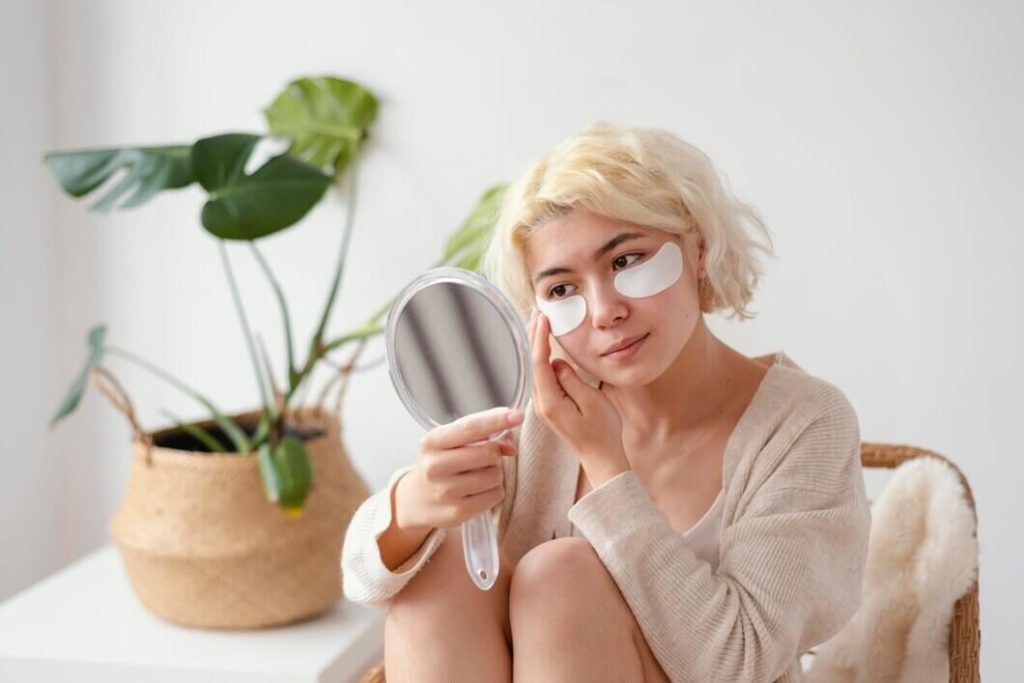
1. Cleanse and Prepare the Skin: Always begin with clean skin. Remove makeup, oil, or any residue so the active ingredients can reach deeper. Pat dry gently with a towel.
2. Apply the Mesotherapy Serum: Pick a serum that matches your goal. If you want more glow, use one rich in vitamins. For dryness, go with hyaluronic acid. Apply a thin, even layer and give it a few seconds to settle.
3. Use the Mesotherapy Device: Take your roller, pen, or wand and glide it slowly across the skin. Follow the directions that come with your device. Move upward and outward to help lift the skin while keeping pressure light.
4. Massage and Allow Absorption: Once finished, use your fingertips to gently massage the serum in small circular motions. This helps stimulate blood flow and ensures the product sinks in completely.
5. Finish with Moisturizer: Seal the treatment with a layer of moisturizer to lock in hydration. Leave the skin untouched for a while so everything settles naturally.
Doing these steps once or twice a week helps build lasting smoothness and radiance without needing a clinic visit.
Tips for Best Results
Consistency makes the difference. Keep the same schedule each week so the skin learns to respond. Always read the instructions that come with your kit, especially if you switch between rollers or pens. Clean tools before and after every use. A quick rinse and wipe with alcohol keeps them ready for next time.
Apply serum sparingly. A thin coat works better than a thick layer, helping the ingredients settle faster. Drink enough water and use your moisturizer every day. Those two steps do more for glow than most people think. Store your devices in a dry, clean spot, away from sunlight, and replace the serum once it’s opened for too long.
Longevity and Maintenance
At-home mesotherapy gives steady results when you keep it part of your week. Most users start noticing a change in texture after a few sessions. Hydration builds quietly until the skin feels soft and stays that way. The glow isn’t temporary; it becomes easier to maintain once the skin barrier is balanced again.
For upkeep, short touch-up sessions every two or three weeks are enough. The goal is to support what’s already working, not to overdo it. Combine the routine with gentle cleansing, good sleep, and daily sunscreen. These habits protect what mesotherapy achieves and help the results last far beyond the first few months.
Combining At-Home Mesotherapy With Other Skincare

At-home mesotherapy fits easily into a normal skincare plan. It works best when the skin is clean and calm, so gentle exfoliation once or twice a week helps the serum reach deeper. Skip strong acids or retinol on treatment days. Those products make the skin too active and can block full absorption.
Hydrating masks and nourishing serums work well on the same day. They strengthen the moisture barrier and give a smooth finish after the device session. If you visit a clinic for professional facials, this home routine keeps your results steady between visits. The two can complement each other instead of competing.
Global Trends and Popularity
The use of at-home mesotherapy has spread quickly in the last few years. People want the same glow and firmness that clinic treatments offer, but without the appointments. Europe and Asia lead the trend, where longevity routines and self-care tools have become a part of daily life.
The devices themselves have changed, too. Modern designs are smaller, easier to hold, and often include gentle LED light therapy or vibration. They make the process smoother and safer for beginners. As the focus on healthy skin grows, at-home mesotherapy keeps gaining ground as a trusted way to stay radiant with little effort.
Conclusion
At-home mesotherapy makes skincare simple again. It gives hydration, glow, and firmness without clinic visits or complex steps. With the right serum and steady care, it helps the skin look fresh every week. For most people, it’s an easy way to keep radiance and balance as part of daily life.
References
DrPen Australia. (2024, November 29). What is at home mesotherapy. Retrieved from
https://drpen.com.au/blogs/news/what-is-mesotherapy
Mesotherapy Solutions. (2025, July 16). Mesotherapy at home: Is it safe and effective? Retrieved from
https://mesotherapy-solutions.com/mesotherapy-at-home-is-it-safe-and-effective/06/24/2025
Mesome Shop. (2024, August 26). Mesotherapy at home: The revolutionary new skincare trend. Retrieved from
https://www.mesome.shop/en/blog/mesotherapy-at-home-the-revolutionary-new-ski.html
Ho-Me-So. (2023, January 15). Mesotherapy – science & benefits. Retrieved from
https://ho-me-so.com/mesotherapy-what-is-it-ho-me-so
Diaminya Aesthetics. (2025, February 5). DIY mesotherapy: A comprehensive guide. Retrieved from
https://diaminyaesthetics.com/blogs/news/diy-mesotherapy-a-comprehensive-guide