Mesotherapy vs PRP: A Comprehensive Comparison
Mesotherapy and PRP (platelet-rich plasma) are two of the most requested rejuvenation treatments right now. They both aim to refresh the skin by improving hydration, tone, and collagen. Collagen is the protein that helps skin stay firm and youthful, and both approaches encourage the body to make more of it — but they take very different routes to get there.
In this guide, we’ll compare mesotherapy vs PRP closely. You’ll see how each works, what benefits they offer, and when one might be the better choice. We’ll also touch on related options such as hand mesotherapy, what is at-home mesotherapy, and modern mesotherapy products for skin rejuvenation that support results.
Understanding Mesotherapy
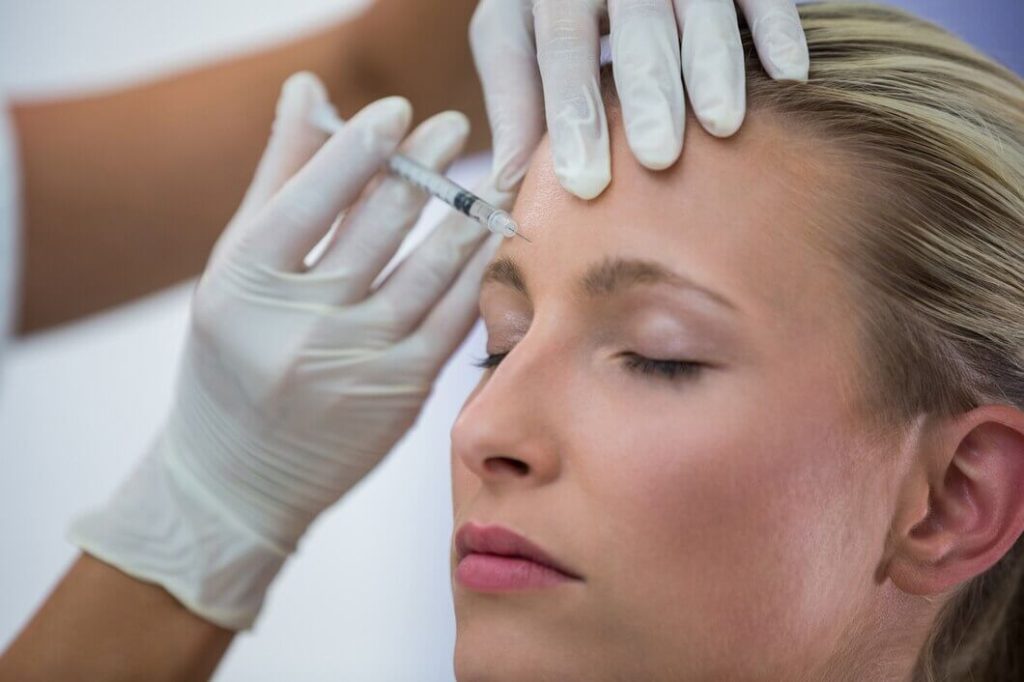
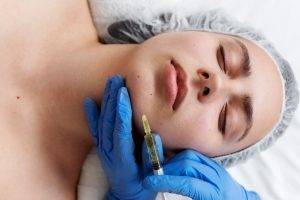
Mesotherapy is often described as a nutrient “cocktail” delivered straight where the skin needs it most. Very fine injections place the formula into the middle layer of the skin, the spot where circulation is active. That’s important because creams and serums only work on the surface.
A typical formula includes hyaluronic acid, a natural sugar found in the body that draws water like a sponge, along with vitamins and peptides that support renewal. When these nutrients reach the deeper layer, the skin begins to hold moisture better, regain elasticity, and take on a fresher look.
The treatment itself doesn’t take long. It’s considered minimally invasive, with most people resuming normal activities the same day. Mesotherapy is common on the face and neck, but it’s also popular for hands, which can age faster because they’re always exposed. The results aren’t instant. Instead, they build slowly across a series of sessions until the skin looks brighter and more stable.
Understanding PRP (Platelet-Rich Plasma)
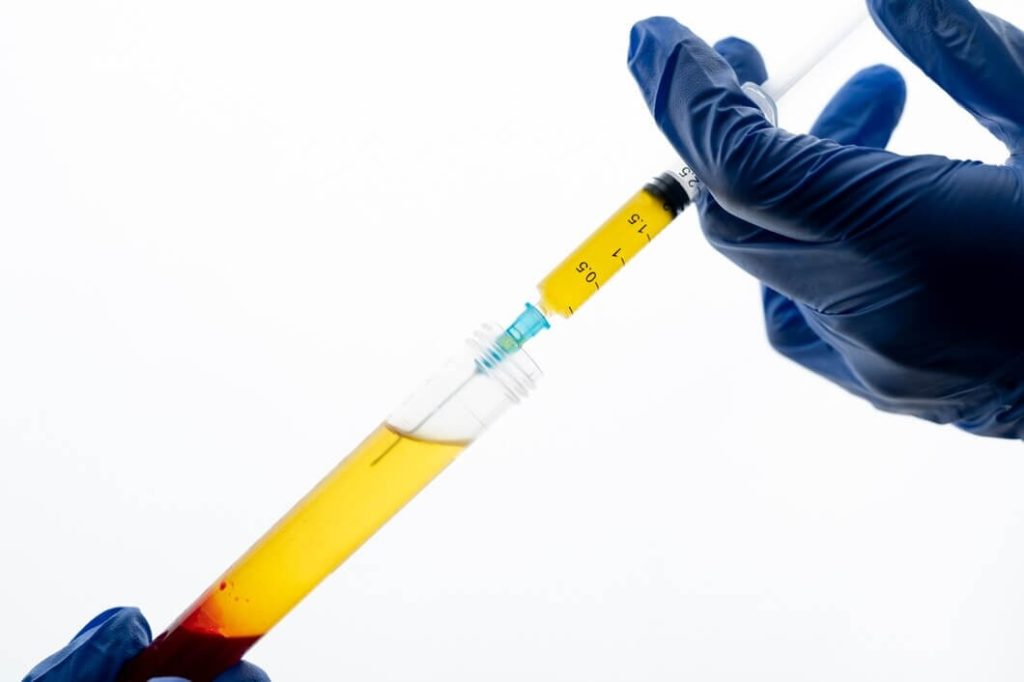
PRP is built on the body’s own healing system. A small vial of blood is taken, then spun in a centrifuge. That process separates plasma from the red cells. Plasma is rich in platelets, and those platelets carry growth factors — proteins that tell the body it’s time to repair.
When the plasma is injected back into the skin, these growth factors trigger collagen production and tissue renewal. Over the next weeks, the skin gradually feels firmer and looks smoother. Because nothing foreign is added, PRP is often called the “natural facelift.” People drawn to PRP often like the idea of results that come entirely from within.
How Mesotherapy and PRP Work
Mesotherapy Mechanism
Mesotherapy works by adding what the skin may be missing. The injected nutrients improve hydration and circulation in tiny blood vessels. Cells function better when they have the right environment, and collagen production follows. Over time, skin looks softer and more vibrant.
PRP Mechanism
PRP works through stimulation, not supplementation. When platelets release growth factors, the body starts repairing itself. Collagen fibers form gradually, strengthening the skin from within. The process takes longer to show, but the improvements last.
Key Differences Between Mesotherapy and PRP
Ingredients Used
Mesotherapy brings in external nutrients: blends of vitamins, minerals, peptides, and hyaluronic acid.
PRP is entirely internal. It uses your own plasma, concentrated with platelets, with nothing else added.
Purpose and Effect
Mesotherapy is chosen for hydration and a quick glow. Skin feels nourished and looks refreshed after a few rounds.
PRP is less about surface radiance and more about rebuilding structure. It improves firmness and resilience, with results that last longer.
Procedure
Mesotherapy is straightforward: the practitioner injects small amounts of the formula across the chosen area.
PRP takes more steps. Blood is drawn, spun, and then reinjected. It feels more clinical because of the preparation involved.
Treatment Frequency
Mesotherapy is often scheduled every two to four weeks. Several visits build the best results.
PRP needs fewer sessions. Two or three treatments per year are usually enough, since the effects continue developing long after the appointment.
Cost and Accessibility
Mesotherapy is widely available and usually more affordable. It has a long history, especially in Europe.
PRP is costlier, reflecting the lab-grade equipment and extra training required. It’s still common but positioned as a more advanced option.
Benefits of Mesotherapy
Many people choose mesotherapy because it quickly restores freshness. Hydration improves, and with it fine lines soften and dull patches brighten. Better circulation means more oxygen reaches skin cells, which adds vitality.
One of mesotherapy’s strengths is its flexibility. The formula can be adapted: more hyaluronic acid for hydration, extra peptides for elasticity, or vitamins for tone. This customization makes it a regular choice for people who want subtle but steady improvement without aggressive treatments. It also pairs well with good skincare at home, which stretches the results further.
Benefits of PRP
PRP is slower but deeper. The effects build gradually as collagen fibers rebuild. Over weeks, skin texture smooths out and firmness increases. Unlike mesotherapy, which offers quick glow, PRP feels like laying down stronger foundations.
Another reason for PRP’s popularity is its longevity. With only a couple of sessions each year, the results continue to develop in the background. Because the treatment uses only your own plasma, the improvements feel natural and are well tolerated. For anyone looking for a regenerative, long-term option, PRP stands out.
Which Treatment Is Better for You?
Mesotherapy is ideal if you want hydration and a visible glow within weeks. It’s a good match for dry or tired-looking skin.
PRP is better if your goal is firmness and deeper repair. The results take longer but they last. Some people combine both: mesotherapy to brighten the surface, PRP to strengthen from underneath.
Treatment Experience: What to Expect
Mesotherapy Session
Mesotherapy appointments are quick. The practitioner makes a series of fine injections across the treatment area. Most people feel only mild discomfort. Redness or slight swelling may appear, but it fades quickly.
PRP Session
PRP takes longer because of the preparation. After blood is drawn and processed, the plasma is injected back into the skin. Patients sometimes describe a feeling of tightness or warmth, which is a sign that repair is starting. Visible change appears gradually over the next few weeks.
Combining Mesotherapy and PRP
Some people choose both treatments instead of one or the other. Mesotherapy boosts hydration and surface glow. PRP repairs deeper layers. Together, they balance immediate radiance with long-lasting strength.
Clinics often schedule the sessions apart to let the skin adjust. This combined approach appeals to anyone seeking full-spectrum rejuvenation.
Applications Beyond Facial Rejuvenation
Hair Restoration
PRP is well known for supporting hair growth. Its growth factors stimulate dormant follicles, leading to thicker strands. Mesotherapy can add nutrients directly to the scalp, improving circulation and nourishing roots. Used together, they give a strong boost to people managing thinning hair.
Body and Neck Rejuvenation
Mesotherapy and PRP also work beyond the face. They are often used on the neck, chest, and hands, where skin is delicate and ages quickly. Mesotherapy hydrates and smooths, while PRP reinforces the structure. Together, they create a more even, rejuvenated look across exposed areas.
Longevity and Maintenance of Results
Mesotherapy results usually hold for a few months, and maintenance visits extend the glow.
PRP takes longer to show but often lasts close to a year. Because it works by stimulating natural repair, improvements keep unfolding between sessions.
Healthy habits extend both. Drinking enough water, protecting the skin from the sun, and eating well all help maintain results.
Global Popularity and Practitioner Expertise
Mesotherapy has been a standard treatment in Europe for decades. PRP has grown globally, especially as regenerative medicine becomes more mainstream. Popularity varies by region, but both are trusted.
What matters most is the practitioner. Skilled professionals who use certified products and safe techniques deliver the best outcomes. Choosing the right clinic ensures the experience is comfortable and the results are natural.
References
DrDray. (2023, August 21). Mesotherapy vs PRP: A comprehensive comparison. Retrieved from
https://drdray.co.uk/blog/mesotherapy-vs-prp/
Stefanis, A. J. (2024). Efficacy of Platelet-Rich Plasma versus Mesotherapy with various formulations in androgenetic alopecia treatment. Journal of Cosmetic Dermatology.
https://pubmed.ncbi.nlm.nih.gov/39386300
Istanbul Hair Institute. (2025, May 2). Mesotherapy vs. PRP: Which is more effective for hair loss? Retrieved from
https://istanbulhairinstitute.com/mesotherapy-vs-prp/
Iranmanesh, B. (2024). A split-site, randomized clinical trial comparing PRP and mesotherapy for periorbital hyperpigmentation. Journal of Cosmetic Dermatology, Wiley Periodicals LLC.
https://pubmed.ncbi.nlm.nih.gov/39279329
Rejuvence Clinic. (2024, December 4). Mesotherapy vs. PRP: Which hair loss treatment truly delivers the best results? Retrieved from