What Are Chemical Peelers Used For?
Chemical peelers are clinical skin treatments used to exfoliate and regenerate the skin. These professional-grade treatments work by applying a chemical solution to remove the superficial layer of the skin, promoting renewal and addressing numerous dermatological concerns.
The primary clinical indications for chemical peel products include acne and acne scarring, where a series of treatments can significantly enhance overall results when combined with traditional acne therapies.
They are also highly effective for hyperpigmentation conditions such as melasma, post-inflammatory pigmentation, and sun damage by removing affected skin cells and promoting healthier cell growth.
Additionally, chemical peelers address fine lines, wrinkles, and photoaging depending on the penetration depth, while improving rough skin texture by eliminating damaged epidermal cells.
How Long Do the Effects of Chemical Peeling Last?
The duration of chemical peel results varies according to the depth of treatment and corresponding skin regeneration processes.
- Superficial peels typically provide improvements lasting 4–6 weeks as they affect only the epidermis, making them suitable for regular maintenance protocols.
- Medium-depth peels generally maintain results for 4–6 months, penetrating to the papillary dermis and creating more substantial improvements in skin condition.
Deep peels can produce effects lasting years or potentially permanently for certain conditions, as they reach the middle reticular dermal layer and stimulate significant collagen remodeling.
The longevity of all peel treatments can be enhanced through thorough post-procedure care, including diligent sun protection, proper hydration protocols, and avoiding thermal stress to the newly regenerated skin.
Types of Chemical Peels
Chemical peels are categorized by their depth of skin penetration and the strength of the acid utilized, with each classification serving specific clinical purposes.
Light
Light superficial peels utilize alpha-hydroxy acids (glycolic, lactic), beta-hydroxy acid (salicylic), or low-concentration agents to exfoliate the outermost layer of the epidermis. These treatments target mild textural irregularities and superficial pigmentation while requiring minimal downtime, typically 2–3 days of mild flaking. Light peels are appropriate for maintenance treatments and can be performed every 2–4 weeks across most skin types with appropriate preparation.
Medium
Medium-depth peels employ TCA (typically 15-35%) or combinations of acids to penetrate through the epidermis into the papillary dermis. These formulations address moderate photodamage, fine lines, actinic keratosis, and noticeable pigmentary disorders. Medium peels necessitate 5–7 days of recovery time with visible peeling and erythema but produce more dramatic improvements than superficial treatments. Proper patient selection and preparation are essential for optimal outcomes.
Deep
Deep peels utilize high-concentration TCA (>35%), phenol formulations, or combination solutions to penetrate the mid-reticular dermis. These intensive treatments effectively target deep wrinkles, significant photoaging, and severe acne scarring. Deep peels require extended recovery periods of at least 10–14 days and may necessitate pre-treatment protocols for several weeks. While achieving the most dramatic and long-lasting results, they demand experienced clinical application and thorough aftercare protocols.
Chemical Peels Side Effects
Chemical peel procedures, while clinically effective, may produce various side effects that practitioners must anticipate and manage. Common immediate reactions include a temporary burning sensation, erythema, and edema during and immediately following application. In some cases, particularly with medium and deep peels, patients may experience blistering, crusting, and significant discomfort requiring appropriate analgesic management.
Delayed complications may include infection (bacterial, viral, or fungal), particularly if barrier function becomes compromised. Pigmentation changes represent another significant concern, with hyperpigmentation more common in darker skin phototypes and hypopigmentation more frequently observed following deeper peels. Scarring remains rare with proper technique, but the risk increases with deeper treatments or in predisposed patients.
To minimize complications, thorough patient assessment, meticulous application technique, and comprehensive aftercare protocols are essential. Patients should be educated regarding sun protection, gentle cleansing methods, and appropriate use of barrier repair formulations during the recovery phase.
Top Chemical Peeling Products
Buy peels and masks online from our selection of premium professional solutions:
- BioRePeelCl3: Biphasic technology with 35% TCA and 14 bioactive ingredients for comprehensive skin regeneration.
- Fillmed®: Advanced dermaceutical formulations specifically designed for professional skin resurfacing with minimal downtime.
- Filorga®: Specialized neutralizing and soothing formulations to enhance patient comfort and optimize post-procedure recovery.
- JALUPRO®: Innovative biorevitalization systems combining peels with hyaluronic acid for enhanced hydration and regeneration.
- MEDIDERMA®: Scientifically formulated peeling systems with precise acid combinations for targeted treatment of specific skin concerns.
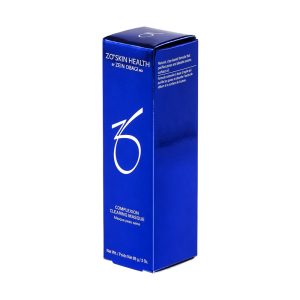
- ZO®: Comprehensive peeling systems designed for controlled exfoliation and enhanced skin renewal across various patient phenotypes.