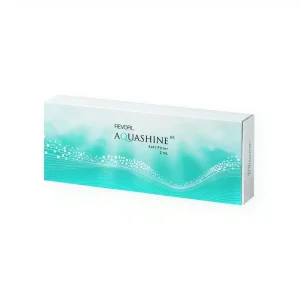
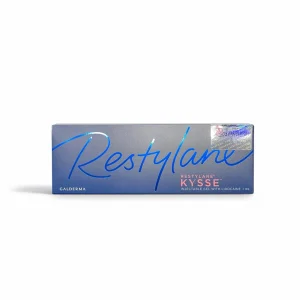
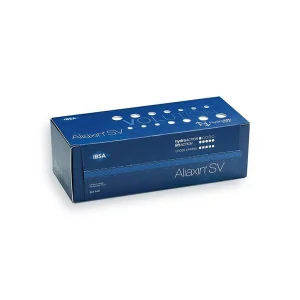
Korean Fillers
Why Choose Korean Fillers for Aesthetic Treatments
Korean fillers are widely used in aesthetic practice because they offer consistent performance without pushing treatment costs too high. Many clinics include them in their portfolio to keep treatments accessible while still delivering the results patients expect.
Another reason is flexibility. These fillers are available in different textures and strengths, which allows practitioners to adapt to different treatment areas without switching between too many product lines.
Buy Korean Fillers Online at Kinami Health
Medical professionals looking to purchase Korean fillers online usually focus on reliability and ease of supply. Kinami Health provides access to products that fit into everyday aesthetic practice without unnecessary complexity.
Ordering through a dedicated platform makes it easier to manage stock and maintain consistency across treatments. Practices can also review options across the dermal fillers category when building or adjusting their product range.
Difference Between Korean Fillers and Other Dermal Fillers
Most Korean fillers are based on hyaluronic acid, just like European and US products. In practical terms, they work the same way: they attract water, add volume, and support tissue where it has thinned or shifted. These formulations often include stabilizing agents that influence gel structure and longevity, while some products also contain lidocaine to improve comfort during injection.
The main difference is how they are positioned in the market. Korean fillers are often priced more competitively, which makes them easier to integrate into everyday treatments. Many practitioners find that they handle well and provide predictable results, which is what matters most in routine work.
Types of Korean Fillers for Different Treatment Goals
Different formulations are used depending on what needs to be corrected or enhanced. In practice, the choice usually comes down to how the product behaves in the tissue and how much support is needed.
Soft Fillers for Fine Lines and Superficial Areas
Soft fillers are used in areas where the skin is thin and detail matters. This includes fine lines around the mouth and under the eyes. The goal is to smooth, not to build volume.
They spread easily, which helps them blend into the skin. At the same time, they require restraint. Using too much can lead to visible swelling, so most practitioners work in small amounts and build gradually.
Medium-Density Fillers for Volume and Contour
These are the fillers most aesthetic practices use daily. They are firm enough to support structure but still flexible enough to move naturally. Common areas include lips, nasolabial folds, and general volume correction.
They are often chosen when the aim is to improve proportions without making the result obvious. They allow for controlled adjustments, which is useful for both new patients and follow-up treatments.
High-Density Fillers for Structural Support
High-density fillers are used when shape and support are the priority. They are placed deeper and are typically used for the jawline, chin, and cheeks.
They hold their position better, which makes them suitable for contouring. Because of that, they require more precision. Placement needs to be deliberate, and a good understanding of anatomy is essential.
Well-Known Korean Filler Brands in Aesthetic Medicine
Several Korean filler brands are commonly used in aesthetic practices. Each has a slightly different feel in the syringe and behavior in tissue, which is why practitioners tend to develop preferences over time:
- Revolax: Known for its smooth gel consistency and controlled injection flow. Often chosen for lips and midface work where a balance between softness and support is needed.
- Neuramis: Designed with stable cross-linking, offering reliable projection and shape retention. Commonly used for deeper corrections such as nasolabial folds and contouring.
- Elasty: Recognized for its elasticity and adaptability in tissue. Frequently selected when a natural look is important, especially in dynamic areas of the face.
- Dermalax: Positioned as a versatile option across different treatment depths. Used for both volume restoration and contouring, depending on the specific formulation.
Aesthetic professionals who already work with a range of dermal fillers often include Korean options to expand their offering without significantly increasing costs. To explore available products, visit the Kinami Health store and order Korean fillers online for your practice.
How Korean Fillers Are Used in Clinical Practice
Korean fillers are selected and applied based on anatomical assessment rather than product preference alone. Treatment planning typically begins with evaluating volume loss, skin quality, and structural support, followed by selecting a filler with an appropriate rheological profile for the target area.
In practice, injectors consider factors such as injection depth, tissue resistance, and desired projection. Superficial placement is used for refinement and texture improvement, while deeper injections focus on structural support and contour. In more advanced treatments, different fillers may be layered within the same area to achieve a controlled and stable result. This is especially relevant in regions like the midface, where both lift and integration are required.
Safety Profile and Product Quality Standards
Like all injectable treatments, outcomes depend heavily on technique and patient selection. Even when the product itself is well-made, incorrect placement or poor assessment can lead to complications. Typical reactions and more serious events to be aware of include:
- Mild swelling and redness at the injection site.
- Temporary bruising or sensitivity after treatment.
- Uneven texture or palpable lumps if the product is not distributed correctly.
- Edema in areas with thin skin, particularly under the eyes.
- Delayed-onset nodules that may require clinical management.
- Infection at the injection site if aseptic technique is compromised.
- Vascular occlusion in rare cases, which requires immediate recognition and treatment.
- Skin blanching, pain, or discoloration indicating compromised blood flow.
- Tissue ischemia and, in severe, untreated cases, risk of necrosis.
- Visual disturbances or vision loss are extremely rare but serious events related to intravascular injection.
Proper technique, anatomical knowledge, and prompt management protocols are essential for reducing these risks and ensuring safe outcomes.