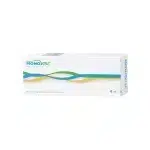
Product Information
- Active ingredient: Sodium hyaluronate
- Strength: 22 mg/ml (88 mg/4 ml)
- Package content: 1 x 4 ml pre-filled syringe
- Manufacturer: Anika Therapeutics
- Brand: MONOVISC®
- Category: Orthopedic Injections
Monovisc Injection Uses
Monovisc is primarily used in the management of knee osteoarthritis. However, it has broader applications in joint health and rehabilitation:
- Treatment of osteoarthritis-related knee pain.
- Lubrication and cushioning of affected joints.
- Reduction of joint stiffness and inflammation.
- Restoration of joint mobility for improved movement.
- Alternative treatment for patients who cannot take NSAIDs.
- Post-surgical recovery support for joint conditions.
Manufacturing Information for Monovisc Injections
Monovisc injection products are developed by a leading biotechnology company Anika Therapeutics specialising in HA-based treatments. The company is based in Bedford, Massachusetts, USA.
Expected Benefits and Results of the Treatments
Monovisc provides multiple advantages for both patients and practitioners:
- Long-lasting pain relief: Eases discomfort for up to six months.
- Single-injection convenience: No need for multiple visits.
- Improved joint mobility: Enhances movement and flexibility.
- Non-surgical alternative: Avoids the risks of surgery.
- High patient satisfaction: Positive reviews and clinical success.
Monovisc Injections Key Ingredients and Device Properties
Monovisc is formulated with carefully selected ingredients to ensure optimal joint lubrication and relief.
Key ingredients:
- Cross-linked sodium hyaluronate (22 mg/ml): Provides viscoelastic properties for joint cushioning.
- Sodium chloride (36 mg): Maintains isotonic balance.
- Potassium chloride (0.8 mg): Supports joint function.
- Potassium phosphate, monobasic (0.8 mg USP): Aids in pH stability.
- Sodium phosphate, dibasic (4.6 mg): Helps buffer the solution.
- Water for injection: Ensures sterility and biocompatibility.
Device properties:
- Single-use, pre-filled sterile syringe.
- High molecular weight HA for prolonged effect.
- Non-animal derived and highly purified.
Included Items or Accessories
Each Monovisc package includes:
- 1 pre-filled syringe: Contains 4 ml (88 mg) of cross-linked HA.
- Sterile packaging: Ensures contamination-free application.
- Instructions for use: Includes product details and administration guidelines.
Administration Method for Monovisc Injections
Monovisc products should always be administered by certified professionals following the appropriate procedures.
Pre-procedure:
- Patient evaluation: Confirm osteoarthritis diagnosis and rule out contraindications.
- Informed consent: Explain risks and benefits to the patient.
- Sterilisation: Clean the injection site with antiseptic.
- Local anaesthesia: Optional for patient comfort.
During procedure:
- Aspiration (if necessary): Remove excess joint fluid.
- Injection: Administer Monovisc into the joint space using a sterile needle.
- Imaging guidance: Optional for accuracy in complex cases.
Post-procedure:
- Compression: Apply a light bandage if needed.
- Observation: Monitor for immediate adverse reactions.
- Activity restrictions: Advise against strenuous exercise for 48 hours.
Guidelines for Proper Aftercare
To ensure the best results and minimise complications, patients should follow these aftercare guidelines after receiving Monovisc injections:
- Avoid strenuous activity for 48 hours: High-impact exercises, heavy lifting, and excessive joint movement should be avoided to allow the injection to settle properly.
- Apply ice packs if swelling occurs: Use a clean ice pack wrapped in a cloth for 10-15 minutes at a time to reduce swelling and discomfort.
- Do not apply heat to the injection site: Avoid hot baths, saunas, and heating pads for at least 48 hours, as heat may increase swelling.
- Refrain from excessive standing or walking: Minimise weight-bearing activities for the first 24-48 hours to reduce stress on the treated joint.
- Stay hydrated: Drink plenty of water to support joint health and overall recovery.
- Avoid anti-inflammatory medications unless advised: NSAIDs such as ibuprofen or aspirin may interfere with the injection’s effects. Consult your doctor before taking them.
- Watch for signs of infection: Redness, warmth, or excessive swelling at the injection site should be monitored. Seek medical attention if symptoms worsen.
- Avoid alcohol for 24 hours: Alcohol can contribute to inflammation and may affect recovery.
- Use supportive footwear if the knee is treated: Wearing cushioned, comfortable shoes can help reduce joint impact while walking.
- Do not massage the treated area: Avoid putting pressure on the injection site to prevent displacement of the injected substance.
- Follow up with your healthcare provider: Schedule any necessary follow-up visits to assess treatment response and discuss future injections if needed.
- Gradually return to normal activity: Light movements and low-impact exercises like swimming or stretching can be introduced after 48-72 hours, as advised by a doctor.
- Report any unusual symptoms: If severe pain, persistent swelling, fever, or joint instability occurs, seek medical advice immediately.
Duration of Monovisc 88 mg/4 ml Effects
Monovisc provides relief for up to six months. Patients may need repeat treatments with orthopedic injections every 6-12 months based on symptom severity.
Monovisc Injection Side Effects
Monovisc is generally well-tolerated, but like any medical treatment, it may cause side effects. Patients should be monitored for any adverse reactions after administration.
Common side effects:
- Mild pain at injection site: Temporary discomfort may occur after the injection.
- Temporary swelling and redness: Inflammation at the injection site is common and usually subsides within a few days.
- Stiffness in the treated joint: Some patients may experience a feeling of tightness or restricted movement initially.
- Warmth at the injection site: A mild warming sensation can occur due to increased blood flow.
- Bruising: Minor bruising may develop, especially in patients prone to bruising.
Less common side effects:
- Joint effusion (fluid accumulation): Some patients may experience increased joint fluid, leading to temporary swelling.
- Limited range of motion: Temporary restriction in movement may occur after injection.
- Fatigue or general discomfort: Some individuals may feel mildly unwell after treatment.
Rare side effects:
- Severe allergic reactions: Signs include swelling of the face, throat, or difficulty breathing. Immediate medical attention is required.
- Infection at the injection site: Although rare, improper injection technique or contamination may lead to infection.
- Joint inflammation or synovitis: Some patients may develop inflammation of the joint lining, causing pain and swelling.
- Severe pain or prolonged swelling: Persistent discomfort lasting beyond a few days may require medical evaluation.
- Skin rash or itching: Hypersensitivity reactions may cause rashes or itchiness at or around the injection site.
- Headaches or dizziness: Some patients report mild headaches or dizziness post-injection.
- Nausea or gastrointestinal discomfort: Though uncommon, some individuals may experience nausea or an upset stomach.
- Fever or flu-like symptoms: A rare systemic reaction where patients may experience fever, chills, or body aches.
Monovisc Injections Treatment Contraindications
Monovisc should not be used in patients with:
- Known allergies to hyaluronic acid: Patients with hypersensitivity to hyaluronic acid or any of the injection components should avoid use.
- Active joint infections: The injection should not be administered if there is an existing infection in or around the treatment area.
- Severe inflammatory conditions: Patients with active inflammatory arthritis, such as rheumatoid arthritis, should consult a specialist before considering Monovisc.
- Systemic infections: Patients with ongoing infections, such as sepsis or viral illnesses, should not receive the injection until fully recovered.
- Bleeding disorders or anticoagulant therapy: Those with haemophilia or who are taking blood thinners may have an increased risk of bleeding at the injection site.
- Previous adverse reactions to intra-articular injections: Patients with a history of severe reactions to joint injections should avoid Monovisc.
- Pregnancy and breastfeeding: The safety of Monovisc during pregnancy or lactation has not been established, and it should only be used if absolutely necessary.
- Paediatric patients: Monovisc is not indicated for individuals under 18 years old due to a lack of clinical data on its safety and effectiveness in this age group.
- Severe osteoarthritis with joint deformity: In cases where the cartilage is significantly eroded or joint replacement is imminent, Monovisc may not provide adequate relief.
- Recent corticosteroid injections in the same joint: A waiting period is recommended if corticosteroids were recently administered to avoid interactions or complications.
- Patients with compromised immune systems: Those undergoing immunosuppressive therapy or with autoimmune conditions should consult a healthcare provider before treatment.
Buying MONOVISC® in Canada
Kinami Health supplies genuine MONOVISC® to licensed healthcare professionals and clinics across Canada, sourced through verified channels and delivered in sealed original packaging with a traceable LOT number, with wholesale pricing and fast delivery.
In Canada, who may administer intra-articular injections varies by province and professional college; practitioners should follow the rules that apply in their own jurisdiction. Adverse reactions can be reported to Health Canada.
Explore the full MONOVISC® range or compare other products in the Orthopedic Injections category.