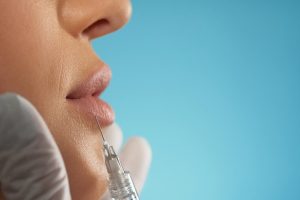
Can You Do Dermal Fillers Yourself Safely at Home?
Social media is full of tutorials, kits and “needle-free” pens promising lip or cheek filler at home. The idea can seem attractive: no appointment, no waiting and apparently lower costs. In reality, self-injecting dermal fillers carries serious risks, and the products sold for this purpose often come from unverified sources. This article explains why dermal fillers should always be injected by a qualified professional.
Understanding Dermal Fillers
Dermal fillers are injectable gels, most often made of hyaluronic acid (HA), used to restore volume, smooth lines and refine features. Other types, such as calcium hydroxylapatite (RADIESSE®) or poly-L-lactic acid (SCULPTRA®), stimulate the skin’s own collagen. These are medical devices, injected into precise layers of the skin, close to blood vessels and nerves. Our article on what dermal fillers are explains how they work.
Why People Consider DIY Fillers
- The perception that it will cost less.
- Easy access to online kits and devices.
- Tutorials that make the procedure look simple.
- The wish to avoid a consultation or to treat themselves discreetly.
The Safety Risks of Self-Injecting Fillers
- Needle-free pens: these devices propel the product under pressure without control of depth, and have been associated with lumps, infections and vascular complications.
- Vascular occlusion: filler injected into or compressing a blood vessel can block blood flow, leading to skin necrosis or, in rare cases, vision loss. Recognizing and treating this emergency requires training and hyaluronidase on hand.
- Infection: without a sterile technique, bacteria can be introduced under the skin.
- Lumps, asymmetry and migration: the wrong product, depth or volume quickly leads to an uneven result.
- Counterfeit or unknown products: products sold to the public online may be counterfeit, contaminated or mislabelled.
Legal and Regulatory Considerations in Canada

In Canada, dermal fillers are regulated as medical devices, and their injection is a regulated act. Who may inject depends on the province and the rules of each professional college, and these professionals must use products obtained through legitimate supply channels. Health Canada has warned Canadians about the risks of unauthorized injectable products bought online and of needle-free injection devices for cosmetic use. Suppliers such as Kinami Health sell fillers only to licensed healthcare professionals and clinics.
Why Professional Treatment Is Recommended
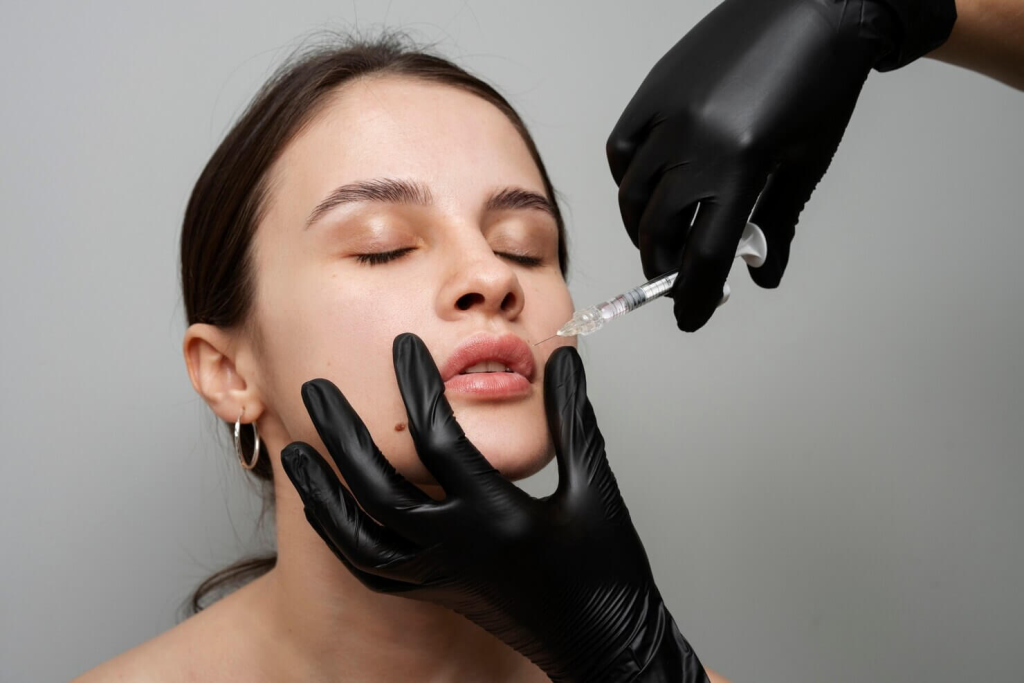
- A full assessment of facial anatomy, medical history and expectations.
- The choice of a product suited to the area, from ranges such as JUVÉDERM®, RESTYLANE®, TEOSYAL® or REVANESSE®.
- A sterile technique and knowledge of danger zones.
- The ability to recognize and treat complications immediately.
- Traceability of the product used, with the lot number recorded in the patient file.
Safer Alternatives to DIY Fillers
- Non-injectable care: sun protection, a good skincare routine and professional skin treatments.
- A consultation with a qualified injector to discuss goals and a realistic plan. See our list of questions to ask during a filler consultation.
- Skinboosters, for hydration and skin quality with a lighter approach; see our skinboosters category.
- A gradual treatment plan, with small volumes over several sessions to manage the budget.
References (APA)
FDA Consumer Updates. (2023). Dermal filler do’s and don’ts. https://www.fda.gov/consumers/consumer-updates/dermal-filler-dos-and-donts-wrinkles-lips-and-more
American Board of Cosmetic Surgery. (2023). Guidelines for safe filler administration. https://www.americanboardcosmeticsurgery.org/procedure-learning-center/non-surgical/injectable-fillers-guide/