Mesotherapy Treatment for Facial Pigmentation
Uneven tone, dark patches, or leftover marks from sun and stress—these are what most people mean when they say “facial pigmentation.” It’s one of the most common skin concerns, and though it isn’t harmful, it can change how someone feels about their skin. The reason behind it is simple: too much melanin in certain spots. When skin makes more pigment than it needs, the color collects, and the surface looks patchy.
For those who want something that treats the skin gently, mesotherapy for facial pigmentation has become a trusted option. It doesn’t peel, laser, or scrape. Instead, it gives the skin what it needs to repair itself—nutrients, hydration, and balance.
This guide walks through how mesotherapy works for pigmentation, what kind of results to expect, and how long it usually takes before the tone starts to even out.
Understanding Facial Pigmentation
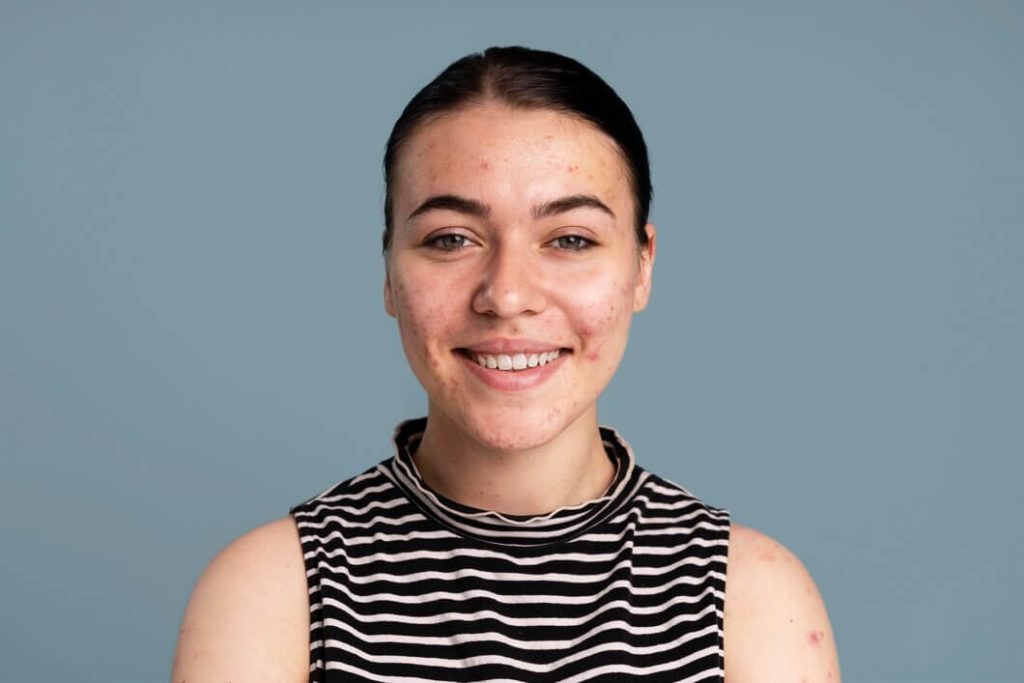
Pigmentation can come from many directions. Sun exposure is usually the biggest one, but hormones, acne scars, and even small injuries can add to it. The body reacts by producing more melanin. Over time, the color deepens and spreads.
Some people notice freckles growing darker. Others see patches around the cheeks, forehead, or mouth. While creams and exfoliants can brighten the surface for a while, they often stop short because the excess pigment sits deeper than the top layer.
That’s why professional treatments matter—they reach below what daily skincare can touch and help the skin rebalance from within.
What Is Mesotherapy?
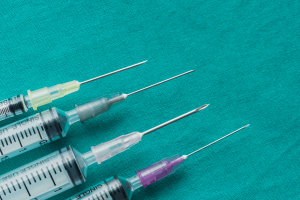
Mesotherapy is a treatment built on small, targeted injections. Each one delivers a mix of ingredients, vitamins, amino acids, minerals, and hyaluronic acid directly into the middle layer of the skin. That’s the layer where repair and hydration begin.
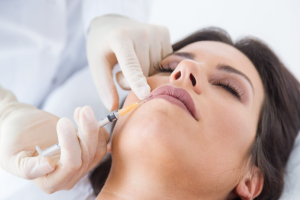
The treatment itself feels light and quick. A professional uses either a fine needle or a small device that taps the solution across the face. The formula can be adjusted to fit specific goals. Some sessions focus on glow and moisture, others on texture, and some on dark marks.
Because it feeds the skin instead of resurfacing it, there’s little to no downtime. The face might look pink for a short time, but that fades quickly.
The same method also supports other goals, such as hydration, tone, or scarring. Some clinics use mesotherapy for acne scars alongside pigmentation sessions, helping even both texture and color in a balanced way.
How Mesotherapy Targets Facial Pigmentation
Pigmentation starts deep. The ingredients in mesotherapy go right to that level and begin to calm the process that overproduces pigment. They also boost circulation, helping cells renew faster and carry more oxygen.
Formulas often include brightening compounds such as vitamin C, glutathione, or peptides that slow melanin activity. Over time, this helps the darker areas fade. The added hyaluronic acid keeps the skin plump and hydrated, which makes the surface reflect light more evenly.
The change isn’t overnight. It builds from session to session. The skin tone slowly becomes more even, and the difference shows most clearly in how light moves across the face—it stops catching on dull or patchy areas.
Effectiveness of Mesotherapy for Facial Pigmentation
In most cases, results begin to show after several treatments. Skin starts to look smoother and fresher, and the contrast between lighter and darker patches begins to blur. For people with long-term pigmentation, this gradual change feels more natural than aggressive treatments.
How well it works depends on consistency. Sessions done close together build better momentum. Skipping or stretching them too far apart can slow progress.
Studies and clinic reports point to visible brightening after about a month or two. Many patients describe it less as a sudden “fix” and more as a steady shift toward clarity and glow.
Keeping up with sun protection is essential. UV light can quickly undo the progress. A good routine with hydration and SPF locks in what the treatment builds.
Mesotherapy Treatment Protocols – What to Expect
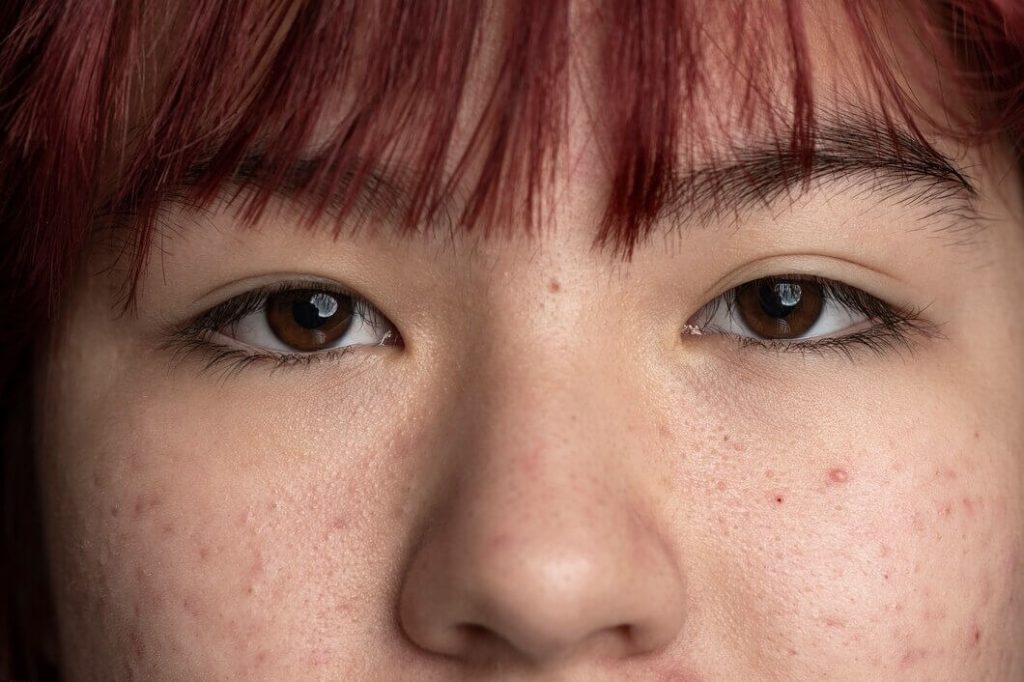
A typical plan includes four to eight sessions spaced about one or two weeks apart. Each appointment takes around half an hour, depending on the area being treated.
During the procedure, small amounts of the formula are injected into the skin using either a hand-held device or a fine needle. The cheeks, forehead, and under-eye area are common spots since that’s where pigmentation tends to linger.
You might see mild redness right after, but it fades within hours. Drinking plenty of water and applying sunscreen every day keeps the skin strong between visits.
Some clients ask about mesotherapy duration. The session itself is short, but visible progress unfolds slowly. The key isn’t the length of one treatment but the rhythm of several. Each one builds on the last.
Mesotherapy for Facial Pigmentation Before and After Results
In the early stages, the difference is subtle—a slight lift in brightness or smoother reflection under light. After several sessions, the tone becomes more balanced. The darker areas soften, the texture improves, and the overall look feels cleaner and fresher.
Comparing before and after photos helps track that progress. It’s rarely dramatic but always visible. The best part is how natural it looks—no peeling or heavy recovery, just a gradual improvement that continues to show for months.
Comparing Mesotherapy With Other Pigmentation Treatments
Lasers, peels, and microneedling all have their place in treating pigmentation. The main difference is how they act. Peels and lasers remove the top layer to reveal new skin. Mesotherapy nourishes the existing skin and encourages it to rebuild properly.
Some clinics combine the two—peels for quick surface refreshment, mesotherapy for long-term strength and glow.
Microneedling focuses on collagen and structure, while mesotherapy adds active nutrients that help the healing process work better. For people who want minimal irritation and no downtime, mesotherapy offers a balanced middle ground.
Who Is a Good Candidate for Mesotherapy for Facial Pigmentation?
The best candidates are adults with mild or moderate pigmentation who want gradual improvement. It’s well-suited for people with sensitive skin or those who prefer to avoid harsh treatments.
Commitment matters more than intensity. Regular sessions and careful aftercare lead to lasting results. Simple steps—hydration, sun protection, and gentle cleansing—make a big difference.
Before treatment, most clinics schedule a consultation to tailor the formula to your needs. Practitioners often buy mesotherapy products online from verified suppliers to ensure safety and quality for every blend they use.
For anyone tired of covering uneven tone with makeup, this treatment offers a calm and steady way forward. It works in rhythm with your skin’s natural cycle, helping it look clear and rested again.
References
Kashikar, Y. (2024). Mesotherapy for melasma – an updated review. PMC. Retrieved October 28, 2025, from
https://pmc.ncbi.nlm.nih.gov/articles/PMC11174183
Wawrzyk-Bochenek, I. (2023). Quantitative assessment of hyperpigmentation changes in microneedle mesotherapy. PMC. Retrieved October 28, 2025, from
https://pmc.ncbi.nlm.nih.gov/articles/PMC10456105
Dr. Selina Clinics. (2025, May 4). Mesotherapy – pigmentation treatment. Retrieved October 28, 2025, from
https://drselinaclinics.co.uk/mesotherapy/
Kumar, D., et al. (2025). Melasma management: unveiling recent breakthroughs in mesotherapy treatment. ScienceDirect. Retrieved October 28, 2025, from
https://www.sciencedirect.com/science/article/pii/S2772632025000054
IG Beauty. (2022, July 18). Why mesotherapy is an effective treatment for pigmentation. IG Beauty Blog. Retrieved October 28, 2025, from
https://www.igbeauty.com/blog/why-mesotherapy-is-an-effective-treatment-for-pigmentation