Liposuction: What It Is, Surgery, Recovery & Results
Liposuction is a surgery that removes stubborn fat from certain parts of the body. It’s done through tiny openings using a slim tube and gentle suction.
You’ve probably heard the word tossed around a lot. It’s one of the most common cosmetic surgeries worldwide. Most people who choose it are already close to their goal weight, but can’t get rid of a few resistant areas, no matter how carefully they eat or how much they move. Liposuction isn’t meant to change who you are; it’s there to fine-tune shape and bring your body’s outline closer to how you want it to look.
What Is Liposuction?
Liposuction is a body contouring treatment. That means it’s not for weight loss. It won’t move the number on the scale very much, but it can reshape specific areas where your body tends to hold on to fat deposits.
The stomach is one of the most common zones. So are the hips, thighs, back, arms, and under the chin. These spots are often the ones people point to with frustration, saying, “This just won’t go away.”
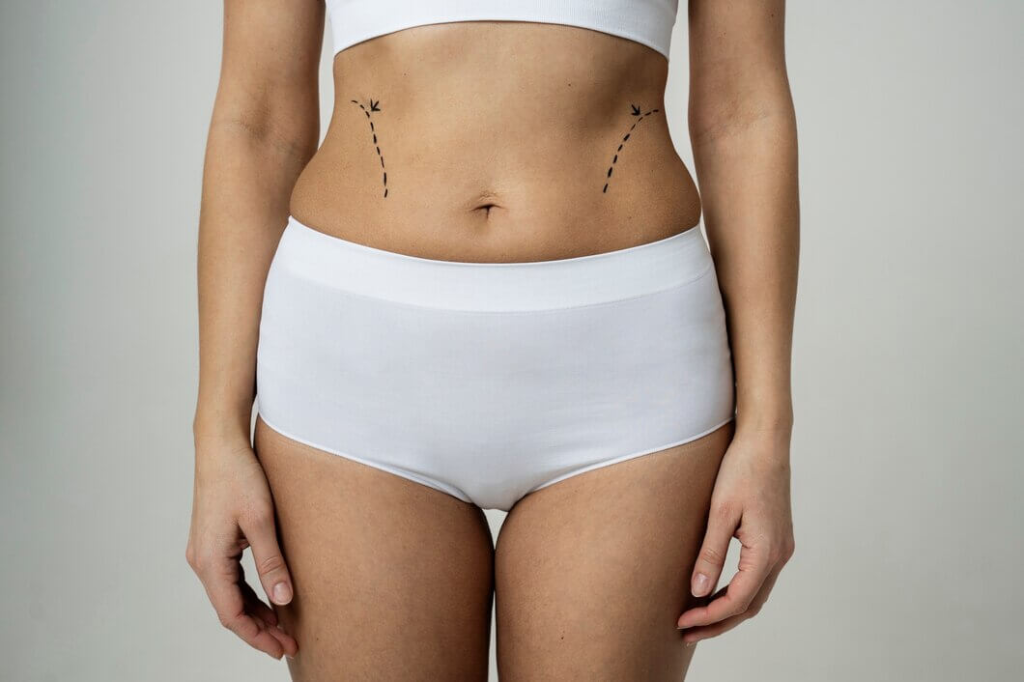
The surgery itself is done by experienced plastic surgeons in clean, controlled settings. They mark out your treatment areas ahead of time, map how much fat to remove, and shape as they go so the results look balanced, never hollow or lopsided. It’s detailed work, almost like sculpting.
Types of Liposuction Procedures
There are several liposuction techniques, and your surgeon chooses based on your body and your goals.
- Tumescent liposuction: This is the classic method. A numbing fluid fills the area, which swells the fat and makes it easier to remove while lowering bleeding.
- Ultrasound-assisted liposuction (UAL): Sound waves break up dense fat before it’s suctioned out. It’s often used on firmer tissue, like the back.
- Laser-assisted liposuction: Sometimes called SmartLipo, this uses heat to melt fat and can help the skin tighten slightly while it heals.
- Power-assisted liposuction (PAL): A tiny motor moves the tube quickly, which speeds up the process and helps when treating larger areas.
Each one works, but they feel a bit different, and they suit different body types. Your surgeon will talk you through what makes the most sense for you.
How Liposuction Surgery Works
The journey starts long before you lie down on a table. There’s an in-depth consultation where you talk about your goals, your medical history, and what you hope to see in the mirror. The surgeon will check your skin tone and elasticity, too. That matters because the skin has to settle smoothly after the fat is removed.
On the day of your liposuction procedure, anesthesia is used. Small areas can be done with local anesthesia, so you stay awake but numb. Larger or multiple areas often use general anesthesia, so you’ll be asleep.
Once you’re comfortable, the surgeon makes a few tiny cuts, usually under half a centimeter. Through those openings, they insert a narrow tube called a cannula. This tool loosens the fat cells and suctions them out while the surgeon carefully shapes your new contour.
When they’re done, the incisions are closed, and you’re wrapped in a compression garment to control swelling and help the skin mold to its new shape. The whole thing usually takes one to four hours, depending on how much is being done.
Recovery After Liposuction
Recovery isn’t instant, and it’s better when you know what to expect. The first few days can feel sore, swollen, and a bit strange. Some people say the area feels firm or tight, almost like wearing an invisible band. That’s normal. It’s your body healing.
Most people are back to light work within about a week. More intense exercise usually waits two weeks or so. The compression garment stays on for several weeks to keep swelling down and help the skin settle.
Your shape won’t reveal itself right away. Swelling fades slowly over months. One day it just clicks. Your clothes fit differently, your outline is smoother, and it all feels worth it.
Liposuction Results and Expectations
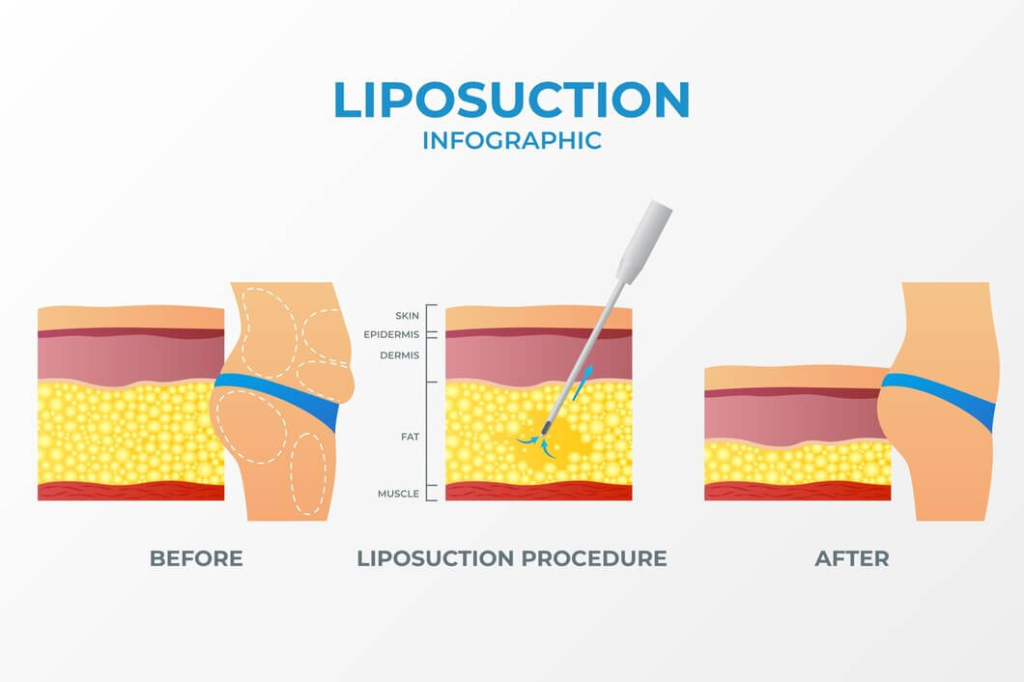
Liposuction won’t make you lighter. It makes you more balanced. It targets unwanted fat in specific places, so your proportions look smoother and more even.
When done well, the change is subtle yet dramatic. Your silhouette looks more defined. Clothes fit better. Some people even notice they stand taller without realizing it.
The results can last many years if you stay active and keep your weight steady. A lot of people see it as a reset. It clears the most stubborn bits, and then your everyday habits carry the result forward. Some even pair it with new routines, like learning how to remove chest fat naturally through exercise, so the rest of their body stays as lean as the treated areas.
Cost of Liposuction
The cost of liposuction depends on a lot of things: the size and number of areas, the technique used, your surgeon’s experience, and where the clinic is located.
One small area, like the chin, will cost less than treating the abdomen, hips, and thighs together. More advanced methods, like laser or ultrasound, might also shift the price.
That’s why clinics rarely list fixed prices online. Your body and your plan are unique. A consultation is the only way to get a clear number.
Benefits of Liposuction
The main benefit is simple: it removes fat from places that won’t budge. Even when you’re eating well and working hard, some areas just don’t change. Liposuction can change them.
It also sharpens your proportions. Once those resistant spots are gone, the rest of your shape stands out more. That often boosts confidence quietly. Clothes fit better, posture improves, and you just feel more like yourself.
Some people pair it with other body contouring treatments to refine multiple zones at once. Done well, it creates a smooth flow between areas, so your new shape looks natural and balanced.
Risks and Considerations of Liposuction
Liposuction is considered safe, but it’s still surgery. Choosing the right plastic surgeon is the most important part. Look for board certification and experience with liposuction specifically, not just general cosmetic work.
Healing can be uneven at first. It’s normal to see swelling, bruising, or small lumpy spots while things settle. They usually smooth out as the weeks go by.
The real key is what you do afterwards. Liposuction creates the new shape, and you maintain it through movement, food, and daily care.
Alternatives and Complementary Options
Liposuction isn’t your only option. There are non-surgical treatments that reduce fat more gradually. CoolSculpting freezes fat cells so your body clears them out naturally. Laser lipolysis melts small pockets using heat. Some clinics offer fat-dissolving injections, and they know where to buy fat removal injections because these products can only be ordered through regulated suppliers with a medical license.
You can also go the slow and steady route. Strength training and balanced meals lower fat across your whole body over time, and they build your health as they reshape your body.
Some people even combine procedures. Monsplasty, which flattens the pubic area, is often done alongside abdominal liposuction to create a clean lower-torso line. Your surgeon can tell you if pairing treatments makes sense for your goals.
References
Cleveland Clinic. (2025, June 29). Laser lipolysis: What to expect, sessions & results. Retrieved from https://my.clevelandclinic.org/health/treatments/24966-laser-lipolysis
McBean, J. C. (2011). Laser lipolysis: An update. Plastic and Reconstructive Surgery. https://pmc.ncbi.nlm.nih.gov/articles/PMC3140909/
Dr. Jeneby Plastic Surgery. (2024, November 1). Unlocking the secret: Optimal laser lipo treatment sessions and results. Retrieved from https://drjenebyplasticsurgery.com/how-many-laser-lipo-treatments-are-needed/
Mountain Med Spa. (2023, July 26). When will you see results after laser lipo with fat transfer? Retrieved from https://mountainmedspa.com/med-spa-blog/when-will-you-see-results-after-laser-lipo-with-fat-transfer
Fakhouri, T. M. (2012). Laser-assisted lipolysis: A review. Journal of Cosmetic and Laser Therapy. https://pubmed.ncbi.nlm.nih.gov/22093156/