How Do Lifestyle Factors Influence the Success of Orthopedic Injections?
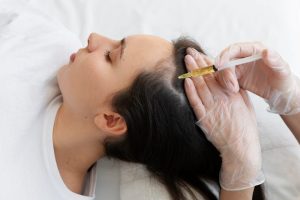
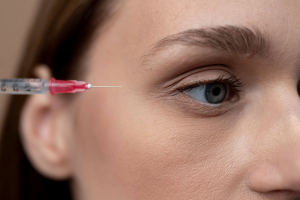
Orthopedic injections help a lot of people move with less discomfort. They bring the swelling down, make the joint feel lighter, and let daily movement become manageable again. But the injection itself is only part of the story. What people do at home, how they eat, how they sleep, how much they move or rest, shapes the results in ways that are easy to miss. The impact of lifestyle on injection success shows up slowly. A joint that is cared for day to day responds differently than one that is constantly under strain.
Understanding the Role of Lifestyle in Joint Health
Lifestyle in orthopedic care isn’t a single thing. It is the mix of habits someone repeats without thinking: the food they lean on, how often they move, how well they sleep, how they deal with stress. All of these soften or sharpen inflammation in the body. When inflammation sits low, injections seem to “stick” better. When it spikes, relief may fade earlier.
Clinics look at patterns such as orthopedic injection tolerance and repeated treatments to understand how the joint behaves over longer stretches of time. Two people can get the same treatment, yet their results pull in different directions because one had a calmer baseline. That’s why lifestyle is not a side topic—it’s part of the treatment background.
The tissues around the joint matter too. Muscles, tendons, and ligaments respond to how someone lives their day. If these are tight, weak, or constantly irritated, the joint absorbs more stress. If they are cared for, the injection has fewer obstacles to work through.
How Lifestyle and Orthopedic Injection Work Together
Lifestyle and treatment blend into each other. They don’t work in separate lanes. A joint that is rested and hydrated behaves differently from one that’s been overworked all week. Nutrient-rich meals influence how tissue repairs itself. So does sleep. So does mood.
People often ask are orthopedic injections safe, and safety is always tied to timing, technique, and how the body handles stress around the appointment. When the body is overwhelmed—poor sleep, constant tension, irregular movement—the joint doesn’t settle as easily. When habits are steady, the treatment seems “received” better.
Inflammation sits in the middle of all of this. Food can drive it up or keep it quiet. Sleep can reset it. Stress can spike it in minutes. Injections can calm it down, but lifestyle determines how quickly that calm disappears.
Movement plays its own role. Light activity keeps the joint flexible. It improves circulation, which quietly supports whatever the injection is doing under the surface. Heavy activity too soon can undo this balance. Timing matters.
The Role of Nutrition in Injection Success
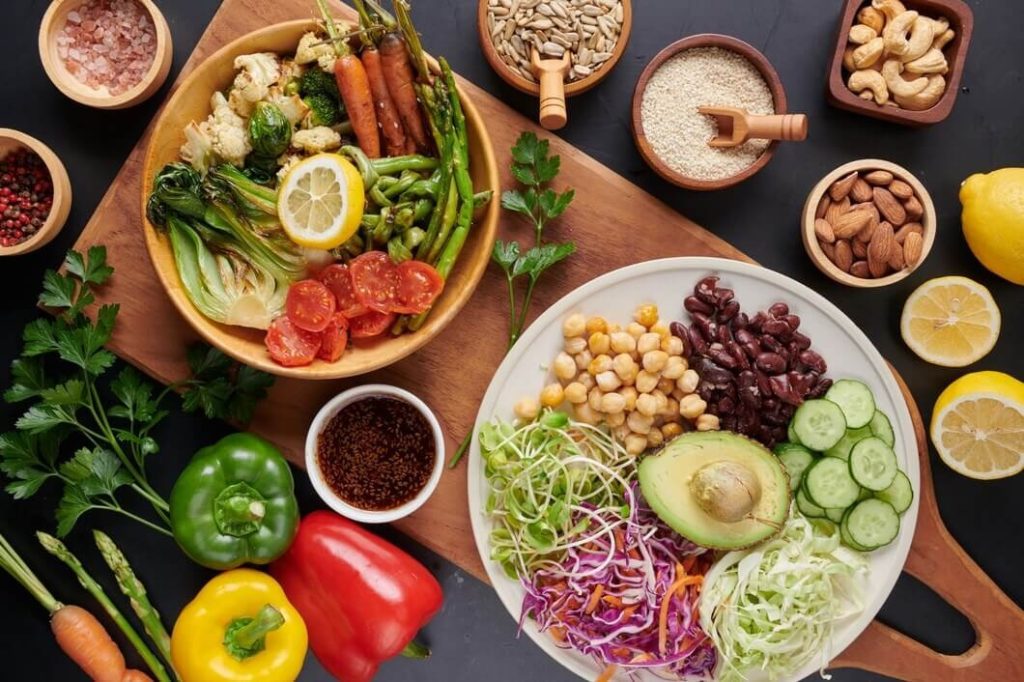
Food isn’t usually the first thing people think of when they schedule an injection, but it quietly shapes the entire recovery window. Omega-3s help cool inflammation; fruits and vegetables provide antioxidants that support repair. Hydration keeps the soft tissue responsive.
Some patients compare orthopedic injection vs PRP therapy, and nutrition affects both. PRP relies on the quality of someone’s platelets. Joint injections rely on the environment in which those platelets sit—either way, food and water influence pain, stiffness, and the duration of relief.
Collagen-supporting foods, calcium, and vitamin D help maintain joint structure. These aren’t dramatic changes; they add stability over time. On the other hand, poor diet or dehydration tends to amplify irritation, which shortens the sense of relief patients feel after treatment.
Physical Activity and Exercise Balance

Movement keeps the joint alive. Without it, stiffness creeps in quickly. Low-impact routines—walking, swimming, light cycling—take pressure off while still nourishing the tissue with blood flow.
Immediately after an injection, the joint needs a bit of quiet. But after that short window passes, routine movement helps the injection “settle” in a helpful way. The muscles surrounding the joint get stronger, reducing the load the joint has to bear alone.
If someone pushes too hard, the tissue reacts. Overexertion is one reason injections sometimes “don’t last.” But gentle consistency tends to stretch results rather than shrink them.
Weight Management and Joint Load
Weight plays a direct role in how the joint feels. Even a modest reduction eases pressure. Less mechanical force means the injection has fewer flare-ups to fight against. It doesn’t need to be rapid weight loss; slow, steady change lowers irritation more than people expect.
When pressure decreases, people often notice that relief lasts longer and the joint feels more stable between appointments.
Sleep, Recovery, and Stress Reduction
Sleep is when the body rebuilds itself: inflammation resolves, tissues repair, and the nervous system calms. If sleep is poor, the body remains in a low-grade state of stress, which can dull the treatment’s effects.
Stress slides into the same category. Elevated cortisol increases inflammation. Meditation, slow breathing, and stretching. These small habits help reduce background noise in the body, allowing the joint to respond more fully to the injection.
Avoiding Habits That Undermine Injection Results
A few habits work directly against injection success:
- Smoking tightens blood vessels and slows repair
- Heavy alcohol disrupts hormonal balance
- Long hours of inactivity stiffen the joint
Replacing these habits isn’t about perfection. Minor course corrections help the joint more than people expect.
Long-Term Maintenance After Orthopedic Injections
After the injection has done its first job, maintenance takes over. Gentle movement. Anti-inflammatory meals. Hydration. Regular sleep. These routines help prevent inflammation from recurring and protect the tissue surrounding the joint.
Follow-up appointments help catch shifts early—changes in gait, stiffness patterns, or swelling that may not be obvious day to day. Long-term success is not dramatic. It is quiet and steady.
References
- Montagnino, G., & De Luca, A. (2025). Optimizing orthobiologic therapies with exercise, diet, and supplements. PM&R, 17(4), 424-432. https://doi.org/10.1002/pmrj.12617
- Ballegaard, C., Pedersen, S. J., & Hagen, K. B. (2025). The relationship between lifestyle factors and outcome of biologic therapy in axial spondyloarthritis: Smoking and BMI as key determinants. Arthritis Research & Therapy, 27(1), 134. https://doi.org/10.1186/s41927-025-00529-4
- Louis, M.-H., Berquin, A., & Steyaert, A. (2023). Do lifestyle factors influence pain prognosis? A 1-year follow-up study. British Journal of Pain, 17(3), 345-353. https://doi.org/10.1177/20494637231152975
- Argut, S. K., & Demirtas, T. (2023). Factors affecting platelet-rich plasma characteristics: The influence of lifestyle and habits. Current Orthopedic Reviews, 19(2), 114-120. https://doi.org/10.2174/1874325002307020114
- Cheng, A. L., & Johnson, R. J. (2022). Unique characteristics of patients who choose an intensive lifestyle medicine program for musculoskeletal pain. American Journal of Lifestyle Medicine, 16(4), 393-401. https://doi.org/10.1177/15598276221092804