Buccal Fat Removal: What It Is, Recovery & Before & After
Buccal fat removal is a type of cosmetic surgery that changes the way the cheeks look. Inside every cheek sits a natural pad of fat. When this pad is bigger, the face looks rounder. During this procedure, part of that fat pad is taken out. The goal is a slimmer, more sculpted look.
People often stumble on this treatment while looking up different beauty or health options. For example, someone reading about “what is cellulite” may see other body treatments. Others dig into face-shaping questions, like how to lose face fat, and discover surgery isn’t the same as lifestyle changes. There are also people who decide to buy fat removal injections online instead of going under the knife. Buccal fat removal sits in its own category: surgical, focused, and permanent.
What Is Buccal Fat Removal?
The buccal fat pad is a pocket of tissue located deep inside the lower cheeks. It sits between facial muscles and adds fullness. Some people hardly notice it. For others, it makes the cheeks appear wide and round, regardless of their body weight.
Buccal fat removal, sometimes called buccal lipectomy, is the surgery used to reduce this pocket. A surgeon makes a small incision inside the mouth, usually near the molars. Through that opening, they gently remove part of the fat pad. Because the incision is hidden inside, there is no scar on the skin.
This type of plastic surgery is designed for people who feel their cheeks look too heavy or childlike. It’s not about losing overall body fat. It’s about shaping the face in a way that brings out sharper lines, especially the cheekbones and jaw.
Why Do People Choose Buccal Fat Removal?
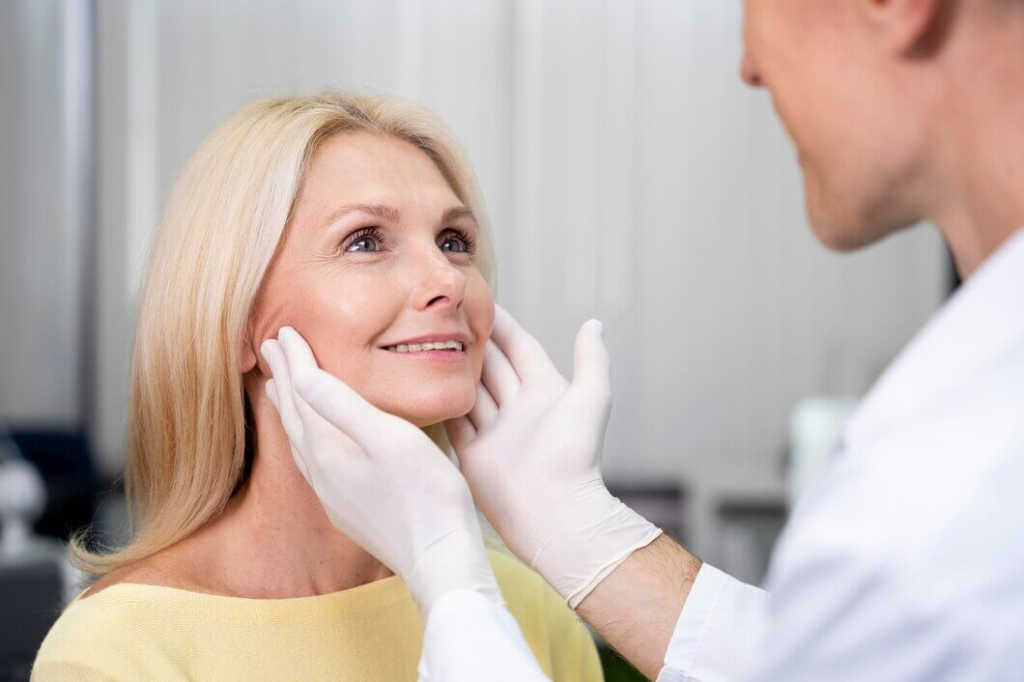
Most choose it for appearance. Round cheeks can soften the entire face. By removing some of that fat, the cheekbones look higher and the lower face looks narrower. It’s about definition, not weight loss.
For some, it’s tied to self-confidence. Looking in the mirror and seeing a leaner outline helps them feel more balanced. They want their outer look to reflect the way they picture themselves inside.
Lifestyle doesn’t always change cheek shape. Someone can eat well, exercise daily, and still carry round cheeks if their buccal pads are large. That’s why surgery becomes an option. It solves a problem that diet and cardio cannot.
The Buccal Fat Removal Procedure
The actual procedure is quick. In most cases, less than an hour. It’s performed in an outpatient setting, which means patients go home the same day.
Here’s how it usually works:
- The patient receives anesthesia. Often it’s local, which numbs the area but leaves them awake. Sometimes general anesthesia is used, especially if the surgery is paired with another treatment.
- The surgeon makes a small incision inside the mouth. This is done near the back teeth, so it’s out of sight.
- Gentle pressure exposes the buccal fat pad. A portion of it is removed. The rest is left in place to keep the face natural.
- The incision is closed with dissolvable stitches. These fade on their own as the area heals.
No external scars, no overnight stay. The surgery is considered simple in terms of steps, but it still requires a skilled plastic surgeon to avoid nerves and muscles in the area.
Recovery After Buccal Fat Removal
Healing isn’t difficult, but it does take patience. Swelling is normal in the first week. Cheeks may look puffier before they look slimmer. This is part of the body’s natural process.
A soft diet is recommended at first. Soups, yogurt, mashed vegetables, smoothies — foods that don’t put pressure on the mouth. Rinsing with an antibacterial solution after eating keeps the incision clean.
Most people feel well enough to get back to work in a few days. The puffiness goes down week by week. Around the two- to three-month mark, the final contour is usually visible.
Follow-up visits with the surgeon are important. These check the stitches, make sure healing is smooth, and confirm the results are taking shape as expected.
Buccal Fat Removal Before and After
The difference between buccal fat removal before and after is often subtle, but striking once you notice it. The cheeks appear leaner, the jawline sharper, the cheekbones more visible.
The goal is not to make the face look hollow or unnatural. Instead, it’s to refine what’s already there. For many, the effect is that friends notice they look fresher or slimmer, but can’t put a finger on why.
Results vary. A person with very full cheeks may see a dramatic change. Someone with only moderate fullness may see a softer adjustment. The shape of the underlying bone also influences the final look.
Who Is a Good Candidate?
Good candidates are healthy adults who feel their cheeks are too round for their liking. People who don’t smoke, who keep a stable weight, and who understand the limits of surgery usually do best.
It’s not ideal for everyone. If someone already has thin cheeks, removing more fat can make the face look sunken with age. That’s why consultation is important. A surgeon can judge if the procedure will help or harm the balance of the face.
The decision is personal, but professional advice ensures it’s safe and realistic.
Longevity of Results
Once the buccal fat pad is removed, it does not grow back. That means the slimmer cheeks are permanent.
Still, time affects every face. As people age, skin loses elasticity, and fat shifts in other places. Weight gain can add fullness elsewhere. The contour created by surgery stays, but the face continues to change with life and age.
Patients who maintain their health and weight often enjoy steady, long-term results.
Alternatives to Buccal Fat Removal
Not everyone wants surgery. Alternatives exist, though they are temporary.
- Dermal fillers add volume in other areas, creating balance that makes the cheeks seem slimmer.
- Botox for masseter reduction softens the jaw muscles, giving the lower face a narrower shape.
- Lifestyle habits like diet and exercise can reduce overall fat, though they rarely shrink buccal pads specifically.
These options are less invasive but must be repeated. Buccal fat removal is the only direct way to reduce cheek pads permanently. Some clinics also offer non-surgical contouring methods and may choose to buy fat removal injections online as part of their professional toolkit, though these treatments do not provide the same lasting change as surgery.
References
Pierzchajlo, N., Clifton, W., Hinson, C., Kemeness, C., Rogers, T., Bouillon, V. N., & Brooks, R. M. (2024). Buccal fat pad excision for cheek contouring: A systematic review. Aesthetic Surgery Journal Open Forum. https://doi.org/10.1093/asjof/ojad089
Alotaibi, N., AlSharif, F., Alshammari, A., & Alqahtani, F. (2021). Buccal fat pad excision for cheek refinement: A systematic review. Med Oral Patol Oral Cir Bucal, 26(4), e474-e481. https://www.ncbi.nlm.nih.gov/pmc/articles/PMC8254881/
Roman-Torres, C., Domingues, N. R. A. P., Pimentel, A. C., Marão, H. F., & Sendyk, W. R. (2020). Post-operative evaluation of the intra-oral buccal fat pad removal technique: A prospective study. The Open Dentistry Journal, 14, 324-328. https://opendentistryjournal.com/contents/volumes/V14/TODENTJ-14-324/TODENTJ-14-324.pdf