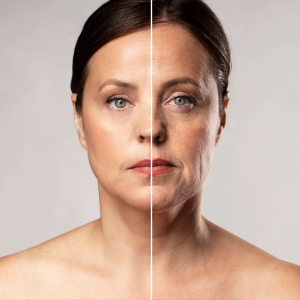
Chemical Peel or Mesotherapy: Comparing Benefits
Healthy skin looks bright and even. A chemical peel smooths the surface by lifting away old cells. Mesotherapy feeds the deeper layers through tiny injections of hydration-boosting ingredients. Both give the skin a fresh look, but they work in different ways. This guide explains how each treatment supports skin health so you can choose what suits your goals. It focuses on radiance and long-term care, not harsh correction.
During your research, you may also compare other popular options. For quick reference, see: mesotherapy vs Botox, mesotherapy vs. laser treatments, and mesotherapy products to buy for medical spas.
Understanding Chemical Peels
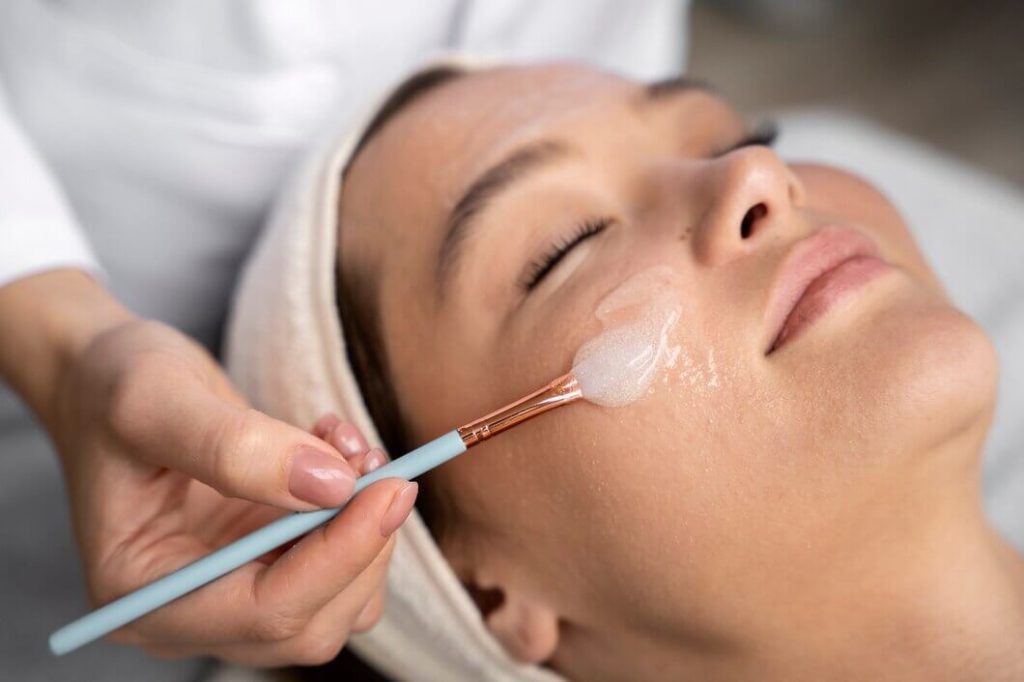
A chemical peel removes the upper layers of skin so a smoother surface can show. A clinician applies a blend of acids in a controlled way. Strength can be mild, moderate, or deeper. Peels brighten tone, help fade old spots, and soften lines that sit at the surface.
How Chemical Peels Work
The solution removes dead skin cells. This tells the skin to refresh itself with new ones. The turnover reveals a clearer surface that reflects light well. The process also encourages collagen-making cells. Collagen is the protein that supports firmness. After a peel, everyday skincare sinks in better because the top layer is clean and even.
Types of Chemical Peels
Superficial peels gently exfoliate and give a quick glow. Medium peels reach deeper layers to soften fine lines and dark marks, and deep peels are done only by trained experts and address more advanced concerns.
Benefits of Chemical Peels
- A peel reveals a smoother surface that light reflects more evenly.
- This gives skin a clearer, brighter look right away once the top layer loosens and lifts.
- Uneven patches and old marks from breakouts can fade over time because the damaged cells are cleared away.
- Pores look smaller when the surface is clean and tight.
- Daily products like serums and moisturizers also work better after a peel because nothing blocks them.
When done regularly, peels help the skin stay fresh and soft, like a gentle reset for the face every few weeks.
Understanding Mesotherapy
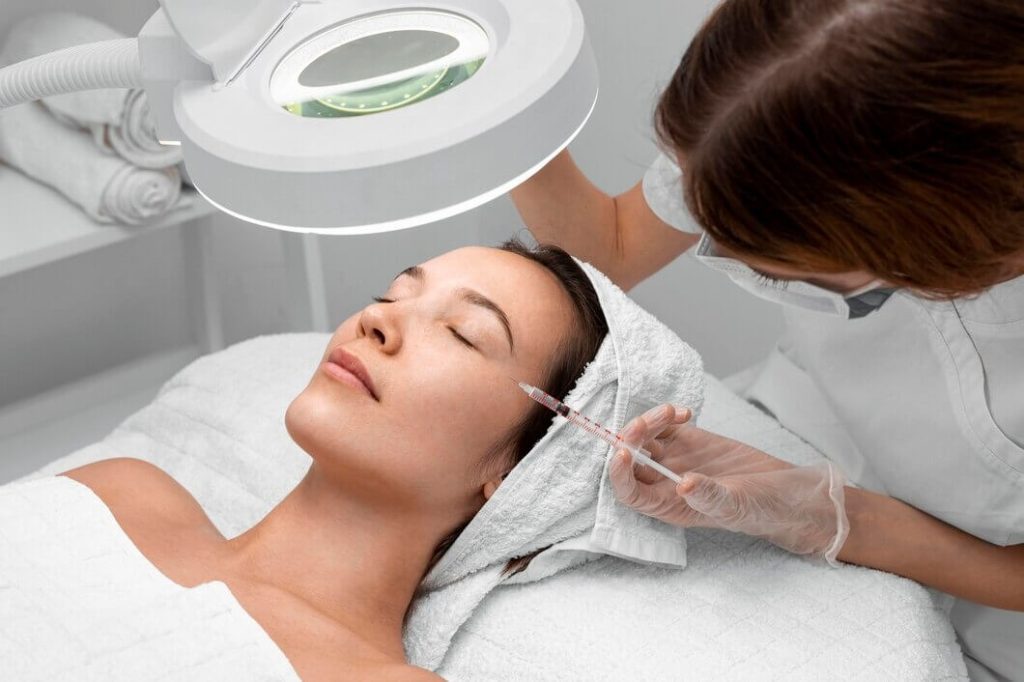
Mesotherapy is a minimally invasive treatment that places vitamins, minerals, amino acids, and hyaluronic acid into the skin through fine injections. Hyaluronic acid is a molecule that attracts water. It makes the skin look plumper and feel comfortable. This method gives a natural, hydrated finish.
How Mesotherapy Works
Tiny doses of a custom mix go into the dermis. That is the middle skin layer. It improves micro-circulation and supports collagen. Over time, the skin gains softness and elasticity. The technique gives a healthy glow without visible peeling.
Benefits of Mesotherapy
Mesotherapy gives the skin a deep drink of moisture. The tiny doses of hyaluronic acid pull water into the tissue, so the face feels firm, supple, and comfortable. The added vitamins and minerals support healthy renewal, which helps bring back that rested, healthy look. The glow arrives without obvious peeling or a long wait for recovery. Because the blend can change with your needs, mesotherapy remains useful throughout the year. It keeps the skin looking alive, not just smooth. The difference is visible up close.
Chemical Peel vs Mesotherapy: Main Differences
Mechanism
A peel works on the surface by removing dead cells. Mesotherapy works inside the skin by feeding it nutrients and moisture.
Results Timeline
A peel shows results once the skin sheds and settles. Mesotherapy builds gradually over several sessions and improves with each visit.
Target Concerns
Choose a peel when texture, tone, and small marks are the focus. Choose mesotherapy when dehydration and dullness are the main issues.
Downtime
Peels can cause light flaking for a few days. Mesotherapy usually shows mild redness that fades quickly.
Treatment Frequency
Peels are commonly spaced four to six weeks apart. Mesotherapy is often done as four to six sessions, every two to four weeks.
Ideal Candidates for Each Treatment
Best Candidates for Chemical Peels
People with oily zones, mild congestion, or uneven tone do well with peels. If your skin looks rough at the surface, a peel smooths things out quickly. It suits those who want clearer change in a short time.
Best Candidates for Mesotherapy
This option fits dry, tired skin that needs a comfort boost. If makeup looks patchy or tightness appears by midday, deeper hydration is helpful. Mesotherapy keeps the finish soft and natural.
Combining Chemical Peel and Mesotherapy
You do not have to choose only one. Many clinics use both throughout the year. A light peel first clears the top layer. After that, mesotherapy nutrients settle in better. The pairing gives texture plus glow. Your provider will plan space between sessions so your skin stays balanced.
Comparing Results and Maintenance
A peel gives a fresh reveal early. The top layer lifts, and the tone looks cleaner. Regular sessions help maintain that look. Mesotherapy feels like progress over time. Each visit improves moisture and bounce. With simple at-home care, the effect lasts well.
Safety and Side Effects
Both treatments are safe with trained professionals. Aftercare is simple: hydrate the skin, wear SPF daily, and avoid harsh scrubs while the skin is renewing. The provider adjusts the plan so your skin stays calm.
Treatment Experience: What to Expect
Chemical Peel Procedure
Skin is cleansed. The solution is applied for a set time. You may feel tingling or warmth. The solution is then neutralized. Over the next few days, small flakes may appear. Moisturize and protect from the sun.
Mesotherapy Procedure
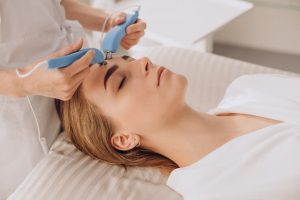
The visit begins with a short consultation. The clinician selects a blend for your goals. The skin is cleansed, and fine needles are used to place tiny droplets into the dermis. Slight redness may show and fade soon after.
Longevity and Lifestyle Impact
Good habits keep results going. Use sunscreen every morning. Drink enough water. Eat colorful foods rich in vitamins. Rest well and move often. These simple choices help the skin renew and hold the glow for longer.
Cost and Accessibility
Prices vary by region, formula, and provider experience. Light peels are usually the most affordable single session. Mesotherapy costs more per visit because it uses active blends and takes precision time. Many people choose a set plan so the costs are spread out over months.
Which Treatment Is Right for You?
Start with what matters most. If you want the surface to look smoother and more even, choose a peel. If your priority is hydration, plumpness, and a natural glow, choose mesotherapy. Many people combine both at different times. Your provider will guide the order based on how your skin behaves.
Conclusion
Both treatments support long-term skin health. A peel renews the surface. Mesotherapy hydrates from within. Pick the option that aligns with your goals right now. Adjust as the seasons change. With consistent care, skin stays bright, calm, and confident.
References
Markiewicz-Tomczyk, A., et al. (2023). A subjective and objective assessment of combined 20% azelaic acid peel and microneedle mesotherapy in skin rejuvenation. Journal of Cosmetic Dermatology, 22(1), 120-129.
https://pmc.ncbi.nlm.nih.gov/articles/PMC10003688
Ahmed, N. A., et al. (2019). Comparative study of carboxytherapy vs chemical peeling and mesotherapy in the treatment of pigmentation. Journal of Cosmetic Dermatology, 18(1), 33-40.
https://pubmed.ncbi.nlm.nih.gov/29767467
Pakistan Armed Forces Medical Journal. (2024). Comparison study between chemical peeling with 70% glycolic acid and tranexamic acid mesotherapy in treating melasma. PAFMJ, 74(2), 8565.
https://www.pafmj.org/PAFMJ/article/view/8565
Belleza. (2019, April 17). Chemical peels & mesotherapy: Uses, procedures, and skin benefits. Belleza.
https://belleza.co.za/chemical-peels-and-mesotherapy/
Tampouratzi, E., et al. (2025). Multifactorial evaluation of mesotherapy with an innovative hyaluronic acid molecule for skin texture and pore size: A clinical study. Journal of Skin Stem Cell, 12(1), e160757.