Mesotherapy: Procedure, Side Effects, and More
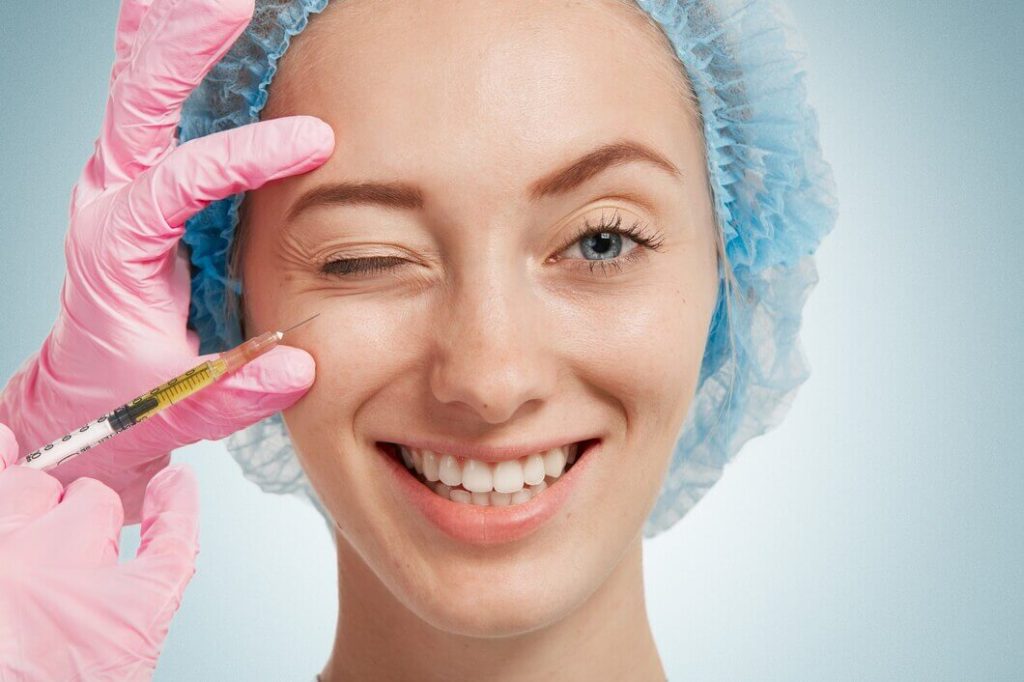
Mesotherapy is a cosmetic treatment that relies on very small injections. Inside the syringe is a mix of vitamins, enzymes, and other nutrients. These are placed just under the skin to help tighten, refresh, or sometimes reduce tiny pockets of fat. Fat pockets are those stubborn areas that stick around even when diet and exercise are good.
Why do people like it? Because it’s non-surgical. No cuts, no stitches, and no long recovery. You can walk into a clinic, get the treatment, and often go back to work right after. It can be used on the face, body, or even the scalp for hair concerns. The tools are fine mesotherapy needles, which means the injections are shallow and quick.
What is Mesotherapy?
The idea started in France in the 1950s. Michel Pistor, a doctor, was the first to use it, and back then, it wasn’t for beauty at all; it was to manage pain. Over time, doctors began noticing that patients’ skin looked better after treatments. From there, it moved into cosmetic clinics, and now it’s a global trend.
So, what is mesotherapy today? In simple terms, it’s micro-injections with tailored mixtures, sometimes called a mesotherapy cocktail. These cocktails can include vitamins, minerals, amino acids, and even plant extracts. If someone wants brighter skin, the mix looks different from that for someone aiming to slim a stubborn area. That flexibility is what made it spread so widely.
How Mesotherapy Works
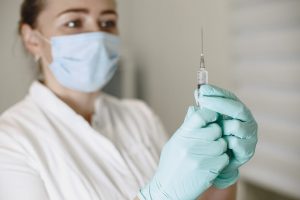
The treatment is done with a special needle that’s made for this purpose. Mesotherapy needles reach the mesoderm, the middle layer of the skin. This is where fat cells, connective tissue, and blood vessels live.
The solution injected can include all sorts of substances. Vitamins and minerals nourish the skin. Amino acids, which are the small pieces that build protein, support repair. Enzymes may be added because they help break down fat or improve blood flow. Sometimes plant extracts are used for calming or hydration. In certain cases, medications that target fat are included, too.
Once inside the skin, the mix does a few things. It can help collagen production, which is what keeps skin firm. It improves circulation, meaning more oxygen and nutrients reach the tissue. And if the formula is designed for fat reduction, it helps shrink fat cells in the treated area. That’s why mesotherapy is often compared to injection lipolysis; both work with fat in a non-surgical way.
Uses of Mesotherapy
Mesotherapy is not limited to one purpose. It has several.
For skin, it’s used to refresh. The goal is brighter, more even skin with better elasticity. Elasticity means the skin can stretch and then return to its shape without sagging.
For the face, mesotherapy is often marketed as a glow treatment. It hydrates, softens fine lines, and helps with pigmentation spots. People like it because the results are natural. You don’t look “done,” you just look healthier. That’s why mesotherapy for the face is one of the most requested versions.
On the body, the treatment is called body mesotherapy. Here, the focus is on small fat deposits. Think of love handles, thighs, or upper arms. It’s not weight loss, but a way to contour, sometimes called body contouring.
Mesotherapy also has a place in hair care. When injected into the scalp, nutrients surround the follicles. A follicle is the root of each strand of hair. This can strengthen hair, improve scalp circulation, and slow shedding. For men and women dealing with hair loss, this non-surgical approach can be appealing.
The Mesotherapy Procedure
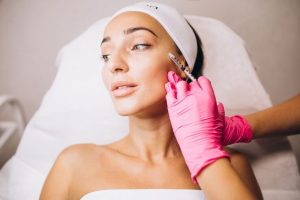
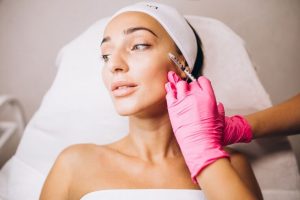
A session is straightforward. The skin is cleaned. Sometimes a numbing cream is used so the injections are more comfortable. The practitioner then uses fine needles to make quick, shallow injections across the target area. Each injection is tiny, but there are many of them.
A single session usually takes between twenty and forty minutes. Results don’t come from one treatment. Most people need several sessions, often one every week or two, before seeing visible changes. After that, maintenance every few months helps keep results going.
After the session, the skin may look red or slightly swollen. That fades within a day or two. The best part? You can usually return to daily life right away, which makes it easy to fit into a routine.
Benefits of Mesotherapy
The main benefit is that it avoids surgery. There’s no cutting, no anesthesia, and no weeks of downtime. Another strength is versatility. The same method can be used for skin, hair, or body, with different formulas depending on the goal.
The results also look natural. Instead of dramatic changes, patients tend to describe the effect as a healthy glow, firmer skin, or a slimmer outline in certain spots. That subtlety is a big part of its appeal. Because recovery is minimal, many people schedule sessions around work or daily commitments without interruption.
Side Effects of Mesotherapy
Like any injection, mesotherapy can cause mild reactions. Redness, swelling, or light bruising at the injection sites are the most common. These side effects usually fade within days. Rare reactions can occur, but they are not typical.
The key is technique. When done by trained professionals with sterile equipment, mesotherapy is considered safe. Compared to surgery, the risks are very small, which is why many people view it as a low-stress option.
Comparing Mesotherapy to Other Treatments
Mesotherapy often gets compared to Botox or fillers, but the goals are not the same. Botox relaxes muscles to reduce wrinkles. Fillers add volume beneath the skin. Mesotherapy, on the other hand, works inside the skin to nourish and refresh.
It’s also compared to liposuction. Liposuction removes fat surgically, requires anesthesia, and has a long recovery. Mesotherapy is non-surgical, with smaller but gentler results. It’s best for refining areas, not for dramatic fat removal.
Clinics often pair mesotherapy with other treatments. For instance, face mesotherapy might be combined with a light peel, or body mesotherapy with radiofrequency. This layering can give a more complete result.
Aftercare and Recovery
After treatment, patients are usually told to drink plenty of water. Hydration supports healing and helps the skin look fresh. Sun protection is also important because the skin can be more sensitive. Makeup is best avoided for a short time, usually a day, so the skin can settle.
Recovery is fast. Redness fades within a day or two. Normal activities, even exercise, can often be resumed almost immediately. To keep results, follow-up sessions are scheduled, and those sessions are what maintain the improvements over the long term.
Who is a Good Candidate for Mesotherapy?
Mesotherapy is a good fit for adults who want to improve their appearance without surgery. It suits people with mild skin laxity, uneven tone, or small fat deposits. Some choose it as a preventative step, slowing early signs of aging before they become more visible.
Not everyone is suited for it. People with certain medical conditions, skin infections, or who are pregnant are usually advised to wait. A proper consultation ensures the treatment is safe and tailored for the individual.
References
Sivagnanam, G. (2010). Mesotherapy – The French connection. Journal of Cosmetic Dermatology, 9(4), 265-269. https://pmc.ncbi.nlm.nih.gov/articles/PMC3142757/
Watson, S. (2018, August 22). Mesotherapy: Procedure, side effects, and more. Healthline. Retrieved from https://www.healthline.com/health/mesotherapy
Top Doctors. (2023, October 29). Mesotherapy: What it is, symptoms and treatment. Retrieved from https://www.topdoctors.co.uk/medical-dictionary/mesotherapy/
Hande Arda. (2023, April 3). Mesotherapy: What is it? Procedure, side effects, and more. Retrieved from https://www.handearda.com/mesotherapy-what-is-it
Konda, D., & Thappa, D. M. (2013). Mesotherapy: What is new? Indian Journal of Dermatology, Venereology and Leprology, 79(2), 127-134. https://ijdvl.com/mesotherapy-what-is-new/