What Is Visceral Fat & How To Get Rid of It
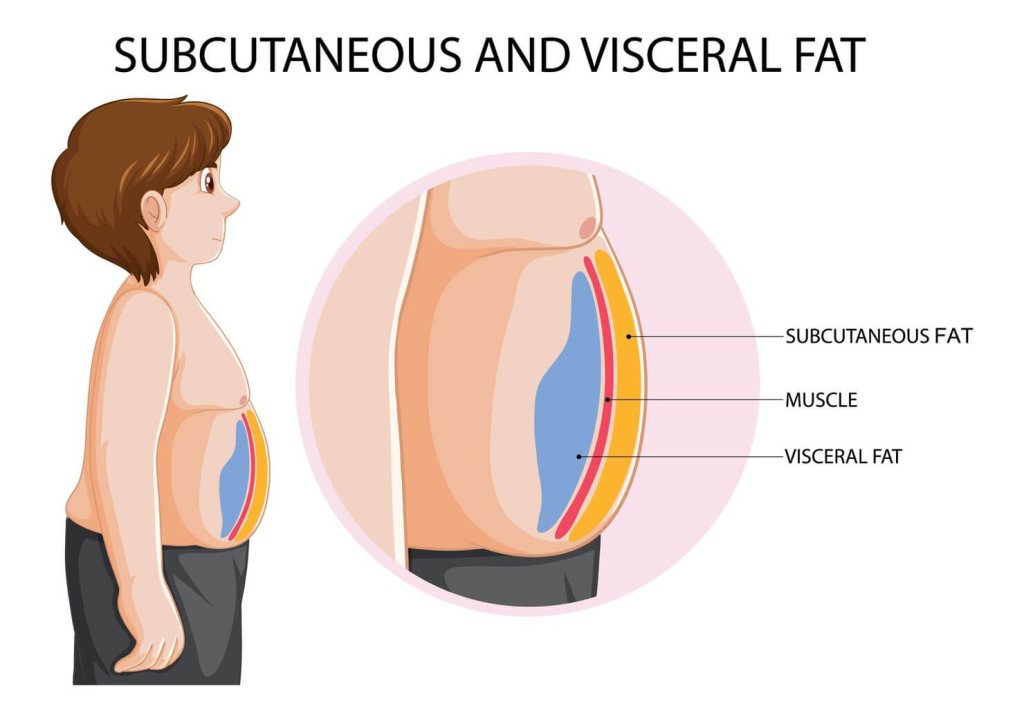
Visceral fat is fat stored deep inside your abdomen. It sits around your internal organs. This is different from the soft layer under the skin, called subcutaneous fat. A small amount is normal. Too much raises health risks. If you want a long, healthy life, learning how to manage it helps.
Understanding Visceral Fat
Visceral fat sits behind your abdominal wall, close to your liver, stomach, and intestines. You can’t grab it with your fingers. You often can’t see it at all. That is why a person can look slim but still carry too much of it.
Subcutaneous fat is the fat just under the skin. You can pinch it. It is easier to notice and measure from the outside. Visceral fat is different. It is tied to your abdomen and your organs, not the surface.
Because it hides, people sometimes miss it. But it matters. If you are exploring targeted options for stubborn areas, some clinics offer laser lipolysis as a non-surgical support for fat reduction. Lifestyle is still the base. Treatments are additions, not the core plan.
Why Visceral Fat Matters
Too much visceral fat affects how your body works. It can raise inflammation. It can disrupt how your body uses sugar and fat. Over time, this increases the risk of heart disease and diabetes.
It can also change blood pressure and blood lipids. That puts extra strain on your heart and blood vessels. Keeping visceral fat in a healthy range supports energy, mood, and long-term wellness.
People also care about how fat shows in certain areas. If the chest is your concern, strength work and form changes help most, and many readers look up how to remove chest fat to plan that focus. Medical-aesthetic clinics order fat removal injections online through regulated channels. These treatments can complement your plan, but daily habits remain the main driver.
Causes of Visceral Fat Accumulation
- Diet patterns: A lot of sugar, refined carbs, processed snacks, and extra calories push fat storage toward the belly area.
- Low activity: Long sitting and little movement slows your metabolism. Your body burns fewer calories.
- Stress: High cortisol, the stress hormone, can shift fat toward the abdomen.
- Genetics and hormones: Some bodies store fat inside the belly more easily.
- Aging: Metabolism slows with age. Muscle mass drops without training. That makes fat gain easier.
How To Measure Visceral Fat

You cannot see visceral fat, but you can estimate it.
- Waist circumference: Wrap a tape around your waist at the belly button. Keep it level and snug, not tight. For many adults, more than 88 cm (35 in) for women or 102 cm (40 in) for men signals higher risk. Track your waist every two to four weeks.
- Waist-to-hip ratio: Divide your waist by your hip measurement. A larger ratio suggests more central fat. This helps measure visceral patterns, not just total weight.
- Medical imaging: CT, MRI, or DEXA give precise readings. These are medical tools and not needed for everyone.
Body weight alone does not tell the full story. Two people can weigh the same, but one can have more visceral fat. That is why we use the waist and the waist-to-hip ratio to measure visceral risk.
How To Get Rid of Visceral Fat with Exercise
Movement is the fastest lever you can pull. It lowers overall body fat, including fat around your organs. Aim for a mix you can keep up week after week.
Cardio and Aerobic Workouts
Brisk walking, running, cycling, and swimming raise your heart rate. This burns calories during the workout and, over time, reduces fat stores. Try 150–300 minutes per week at a pace where you can still talk. Short on time? Do intervals. Push hard for a minute, then go easy for a minute. Repeat. It keeps workouts brief and effective.
Strength Training and Core Work
Lift weights or use resistance bands two or three times a week. Building muscle raises your resting metabolism. You burn more energy even when you sit. Train all major muscles: legs, back, chest, shoulders, arms, and core. Core moves (planks, dead bugs, anti-rotation presses) build strength and support posture. That helps your midsection look tighter while you reduce visceral fat.
Lifestyle Movement
Little actions add up. Walk more. Take the stairs. Stand for phone calls. Stretch during breaks. Do short “movement snacks” of 2–5 minutes across the day. These habits raise your daily burn without long gym sessions.
How To Get Rid of Visceral Fat with Diet

Food choices shape your results, so keep them simple and steady. Focus on whole foods by filling your plate with vegetables, lean protein, and whole grains, as these keep you full with fewer calories. Choose healthy fats such as avocados, nuts, olive oil, and seeds to support balanced meals and stable energy throughout the day.
Cut out sugary drinks and ultra-processed snacks, as they spike hunger and add fast calories, while alcohol adds extra ones too. Watch your portions by using smaller plates, filling half with vegetables, adding a palm-sized portion of protein, and a fist-sized serving of whole grains or starchy vegetables.
Plan your week by prepping simple meals and keeping fruit, yogurt, nuts, and cut veggies ready to go. This steady approach reduces belly fat gradually, supports blood sugar control, lowers cravings, and helps reduce visceral fat while keeping you fueled.
Lifestyle Changes That Reduce Visceral Fat
- Manage stress: Try breath work, meditation, or gentle yoga. Ten minutes helps. Lower stress can lower cortisol, which can affect visceral fat storage.
- Prioritize sleep: Aim for 7–9 hours. Good sleep balances appetite hormones. You feel fewer cravings and make better choices.
- Be consistent: Small daily wins beat extreme diets. Build a routine you can maintain.
- Hydrate: Water supports digestion and energy. Sometimes thirst feels like hunger.
How Long Does It Take to See Results?
It depends on your starting point and your consistency. Some people see changes in a few weeks. Deeper changes take months. Track progress the smart way:
- Waist: Measure at the same spot each time.
- Photos: Same lighting. Same pose. Every two to four weeks.
- Energy: Note how you feel in the morning and during workouts.
The scale can move slowly even while your waist shrinks. Trust the process.
Complementary and Supportive Approaches
Lifestyle is the base. Still, some people add non-surgical options for stubborn areas. Laser lipolysis is one of them. Others explore strength plans tailored to the upper body if they search for how to remove chest fat.
Use these as supports, not replacements. A steady exercise plan and healthy eating deliver the biggest and most durable change.
References
Cleveland Clinic. (2025, September 23). What is visceral fat & how to get rid of it. Retrieved from https://my.clevelandclinic.org/health/diseases/24147-visceral-fat
WebMD. (2024, April 7). Visceral fat: Why it’s dangerous and how to lose it. Retrieved from https://www.webmd.com/diet/what-is-visceral-fat
HealthDirect Australia. (2025, September 11). How to reduce visceral body fat (hidden fat). Retrieved from https://www.healthdirect.gov.au/how-to-reduce-visceral-body-fat-hidden-fat
Healthline. (2021, January 30). Visceral fat: What it is and how to get rid of it. Retrieved from https://www.healthline.com/health/visceral-fat
Shuster, A., Patlas, M., Pinthus, J. H., & Mourtzakis, M. (2012). The clinical importance of visceral adiposity: A critical review of methods for visceral adipose tissue analysis. European Journal of Clinical Nutrition, 66(2), 199-207. https://doi.org/10.1038/ejcn.2011.52