What Are Exosomes?
Exosomes are extremely small, so small that you’d need an electron microscope to see them. They are released by cells during normal activity. Each exosome acts like a messenger, carrying proteins, growth factors, or lipids that influence how other cells behave.
In aesthetics, this natural process is borrowed and used in treatments. When exosomes are delivered to the skin, they act like a signal boost. The skin reads the signals as an instruction to start repairing, building, or hydrating itself. Practitioners explain it simply: you’re giving tired skin a reminder of how to act young again.
What Do Exosomes Do for Skin?
Clients often ask what the difference is between exosomes and traditional treatments. Exosomes don’t fill wrinkles the way dermal fillers do, and they don’t deliver heat like radiofrequency or ultrasound devices. Instead, they change how cells talk to each other.
That means results may not appear overnight, but can build gradually. Skin often looks calmer, less irritated, and more hydrated. Over time, tone and elasticity may also improve. Professionals who buy exosomes for skin treatments describe them as a foundation-builder, not a quick patch, but something that encourages better baseline health.
What Is Regenerative Skincare?
Regenerative skincare is the idea of working with the body’s own systems instead of forcing change from the outside. Treatments in this category aim to repair tissue, balance skin function, and extend healthy activity in cells.
Exosomes fit naturally into this approach. Rather than adding something artificial, they act as carriers of messages already present in the body. For clinics, this positions exosome treatments as part of a modern toolkit: gentler than surgery, more natural in feel, and yet still supported by emerging clinical research.
Top Exosomes Products
The market for exosome products has grown quickly, and clinics now have multiple options. Some brands focus on purity and controlled sourcing, others on combining exosomes with peptides or antioxidants. Major manufacturers offer vials ready to be reconstituted before treatment.
While the range of products is expanding, professionals still tend to order from trusted medical suppliers. Those looking to buy exosomes online often compare based on quality guarantees, consistency, and whether the product is designed specifically for skin use rather than research use.
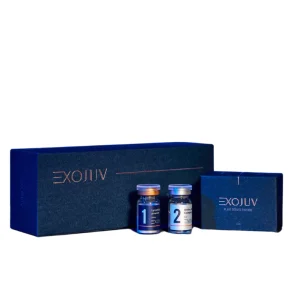
EXOJUV: a professional-use regenerative skin solution featuring over 5 billion plant-derived exosomes from Centella Asiatica, combined with an amino acid complex (sodium hyaluronate, glutathione, and niacinamide) for antioxidant, anti-inflammatory, and tissue-repair effects.
It’s supplied as a freeze-dried vial (50 mg) plus a 5 mL activator solution for reconstitution, intended for use via mesotherapy, microneedling, or dermal infusion techniques under clinical protocols.
Benefits of Exosomes
The main appeal of exosomes is how versatile they are. They can be added to facials, combined with microneedling, or used as part of advanced rejuvenation protocols.
Some of the commonly reported benefits include:
- More hydrated skin, with improved water retention.
- A calmer complexion after stress or irritation.
- Gradual improvement in firmness and elasticity.
- Better texture, with fewer visible fine lines.
- A smoother healing process after other treatments.
For clinics, the benefit is also commercial. Offering exosome treatments sets them apart in a competitive market, giving patients something that feels innovative but is still rooted in science.
Exosomes Application Areas for Your Skin
Exosomes can be introduced in several treatment areas.
- Face: Often combined with microneedling or laser sessions to enhance recovery and leave skin looking fresher.
- Neck and Décolletage: These areas age quickly, and exosomes help support elasticity where skin is thin and exposed.
- Scalp: Increasingly used alongside hair stimulation therapies, encouraging follicle health.
- Hands and Body: Some practices extend treatment to hands or stretch-mark areas to improve skin tone.
This versatility is part of why exosomes have gained traction so fast.
Exosomes vs. Classic Skin Treatments
Traditional treatments like fillers, peels, or energy-based devices create results by acting directly on the tissue. Exosomes, by contrast, guide the skin to do more of the work itself.
That doesn’t make one better than the other. In fact, many clinics combine both. A filler may restore lost volume immediately, while exosomes support overall health in the months that follow. This layered approach appeals to professionals who want both instant and long-term results for clients.
Potential Side Effects
Since exosomes are derived from natural cell processes, they are generally seen as safe when used correctly. Reported side effects are usually mild, such as temporary redness, slight swelling, or a feeling of warmth in the treated area. Clinics often stress that these are short-lived and part of the normal response as skin adjusts.
In most cases, skin calms within a few hours, and clients can return to their daily routines without downtime. Practitioners sometimes advise avoiding makeup or direct sun exposure immediately after a session to give the skin a chance to settle. The important point is that reactions tend to be predictable and manageable, which is why professionals continue to add exosome treatments to their service lists.