What are Skinboosters?
Skinboosters are injectable treatments, but they don’t act like standard fillers. Instead of adding volume or reshaping contours, they sink into the dermis and slowly improve how the skin behaves. Patients often notice subtle but clear differences: texture feels smoother, elasticity returns, and hydration holds for much longer than any topical cream can deliver. The effect is steady and natural, which is why so many clinics use them as part of ongoing care rather than a one-time procedure.
A skinbooster injection is usually made of hyaluronic acid, a molecule that loves water. Once inside the skin, it attracts and binds moisture, creating that plump, dewy look people describe as healthy or refreshed. Some products go further by including vitamins, amino acids, or even polynucleotides to support repair. Whatever the formula, the principle stays the same: treat the skin from the inside so it looks and feels better on the outside.
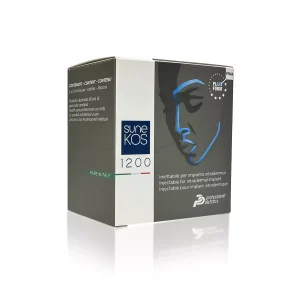
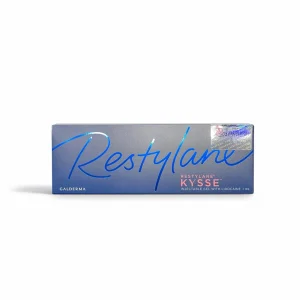
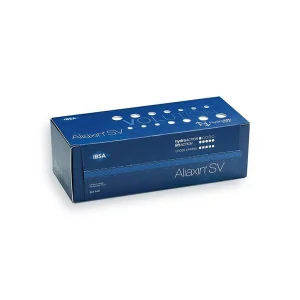
Top Skinboosters Products
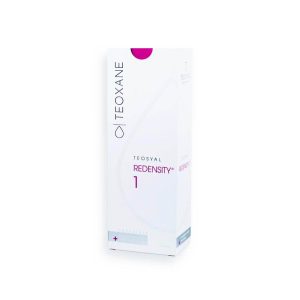
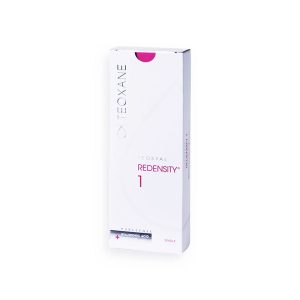
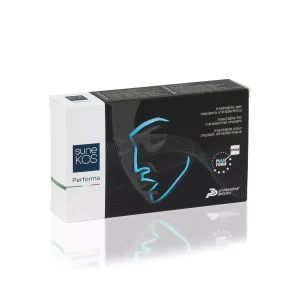
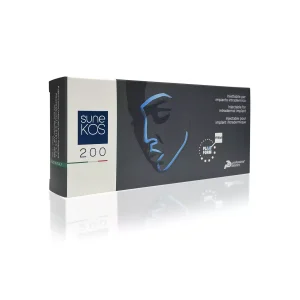
At Kinami Health, practitioners can buy skinboosters from a range of brands that are already trusted in aesthetic practice. Each product has its place, depending on what the patient needs and how their skin responds.
- Restylane® Skinboosters Vital: Made for mature or sun-damaged skin that has lost its natural elasticity.
- Restylane® Skinboosters Vital Light: A much lighter version, often chosen for younger patients or for areas such as the neck and décolletage.
- Juvederm® Volite: Created to enhance hydration and smoothness, with results that can hold for around nine months.
- Profhilo®: A hybrid that hydrates deeply while also stimulating collagen and elastin, useful when skin needs more than moisture alone.
- Rejuran® Healer: Powered by polynucleotide technology, supporting both regeneration and hydration for skin that needs recovery.
These fillers skinboosters are available to order directly from Kinami Health. Clinics know they are working with authentic products and can rely on a stable supply chain.
Benefits of Skinboosters
The appeal of skinboosters lies in their subtlety. They don’t change how a patient looks overnight, but they do change how the skin feels and performs over time. Hydration is the first thing most people notice, followed by improved softness and a gradual return of firmness. Fine lines can appear less obvious, and the overall complexion looks fresher without any dramatic shifts in structure.
For practitioners, this makes it an easy treatment to recommend. They are safe, versatile, and suitable for different areas of the body. Beyond the face, skinboosters are commonly used on the neck, the chest, and even the hands, all places where loss of elasticity shows quickly. Because they work with the skin rather than against it, results develop naturally and last longer than surface-level treatments.
Skinboosters Application
Who benefits from skinboosters? The answer is broad. Younger patients often use them as prevention, keeping the skin hydrated and resilient before deeper lines set in. Older patients lean on them to restore elasticity and texture that has faded with age.
A typical protocol involves a few sessions spaced out over weeks, followed by maintenance treatments. It’s flexible, which suits both clinics and patients. Areas most often treated include the cheeks, chin, and forehead, but necklines and décolletage also respond well. Even hands, which lose hydration quickly, can look younger with the right product.
Because the downtime is short, skinboosters fit easily into a busy practice. Patients usually return to normal activity quickly, which makes the treatment practical as well as effective.
Skinboosters Injection Techniques
Not every clinic uses the same approach. Some prefer the serial micro-puncture method, where tiny injections are placed evenly across the area. Others use cannulas, sliding the product in with fewer entry points and less bruising. For broader coverage, layering techniques are applied, hydrating the skin at different depths.
There isn’t one single correct technique. The choice depends on the patient’s skin, the product being used, and the practitioner’s own style. What matters most is even distribution, patient comfort, and consistency in results.
Skinbooster Injection Ingredients
Hyaluronic acid is the backbone of almost every skin booster. Its ability to bind water makes it unmatched for restoring hydration. Stabilized forms last longer in the dermis, giving results that stretch over months instead of weeks.
Some products add more complexity. Polynucleotides, as found in Rejuran, promote repair at the cellular level. Certain formulations include amino acids and vitamins to support skin metabolism. The variety is intentional: no two patients need exactly the same thing, so having different options allows clinics to tailor the choice.
This flexibility is part of why skinboosters have become such a standard in modern practice. They aren’t just about surface shine but about restoring balance inside the skin itself.
Skinboosters vs. Other Dermal Fillers
It helps to think of skinboosters and dermal fillers as companions rather than competitors. Fillers are structural. They lift, add volume, or reshape, turning back time where fat or bone has diminished. Skinboosters are functional. They don’t change the face’s outline but change the quality of the skin covering it.
For many clinics, the two go hand in hand. A patient may receive dermal fillers to restore cheek volume and, at the same time, skinboosters to smooth texture and add hydration. The result is a balanced, natural look that feels as good as it appears.
Potential Side Effects
Any injectable carries some risk, though with skinboosters, the concerns are usually minor. Patients can expect small red marks, slight swelling, or tenderness at injection sites. Bruising is possible, though it tends to fade quickly. Sensitivity or mild itching may appear as the skin adjusts, but serious reactions are rare.
The key is professional handling. Proper injection technique, sterile practice, and genuine products reduce risks dramatically. This is why sourcing from reliable suppliers is essential. It keeps both patient safety and practitioner confidence high.
Skinbooster Injection Aftercare
Aftercare doesn’t require much, but the small steps matter. Patients are usually advised to avoid heavy exercise and saunas for the first day. Makeup is best left off until the following morning. Gentle cleansing and a basic moisturizer help the skin recover comfortably. And sunscreen, always sunscreen because it keeps results from fading too quickly.
When these guidelines are followed, the hydration effect holds longer and the overall benefit is easier to maintain. Many patients build these steps into their normal routine after their first session, making aftercare second nature.