Hyaluronic Acid Fillers
The demand for non-surgical treatments keeps growing every year, and hyaluronic acid (HA) fillers remain the most widely used option. Clinics, beauty practices, and solo practitioners rely on them because they are safe, adaptable, and produce results patients can see quickly. Being able to buy hyaluronic acid fillers online from a reliable supplier also means a clinic can keep stock consistent and avoid interruptions in treatment schedules.
What are Hyaluronic Acid Fillers?
Hyaluronic acid fillers are injectable gels that help replace volume, soften lines, and shape facial contours. Hyaluronic acid itself is a sugar molecule already present in skin and connective tissue, where it holds water and keeps tissue flexible. In filler form, it is purified, then cross-linked so it lasts longer once placed under the skin.
Because HA is something the body already recognizes, the risk of allergy is very low. Results are not permanent, which is actually a benefit, since the filler can be dissolved or adjusted if needed. This is one of the reasons why dermal fillers based on hyaluronic acid are trusted in modern aesthetic practice.
Hyaluronic Acid Lip Fillers
The lips require fillers that balance softness with structure. Several products are formulated specifically for this delicate, expressive area.
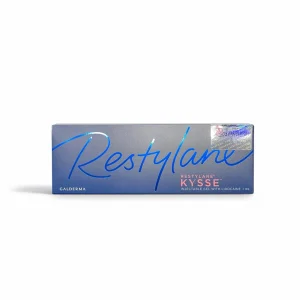
- RESTYLANE® KYSSE with Lidocaine: Designed for soft, natural augmentation with added hydration. Integrates seamlessly into lip tissue while preserving movement.
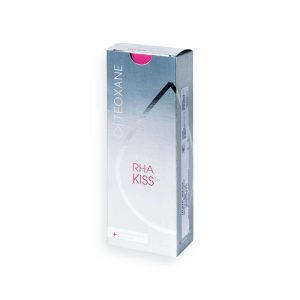
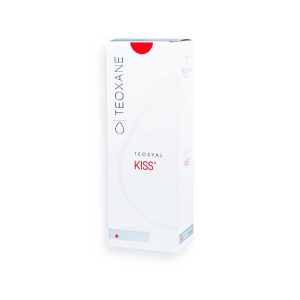
- TEOSYAL® RHA KISS with Lidocaine: Created for precise lip contouring and subtle enhancement. Offers flexibility that adapts to natural expression.
- TEOSYAL® PureSense KISS: Suitable for shaping and volumizing lips while improving hydration. Its balanced elasticity makes it ideal for refined perioral correction.
- JUVÉDERM® VOLBELLA® with Lidocaine: A delicate filler tailored for subtle lip volume and fine perioral lines. Its smooth consistency integrates well for natural results.
- STYLAGE® SPECIAL LIPS (including BI-SOFT® versions): Developed to sculpt lips with a soft, natural finish. Available with or without lidocaine for added patient comfort.
Hyaluronic Acid Fillers for Face
Facial rejuvenation demands versatility, and HA fillers provide solutions across the midface, lower face, and tear troughs.
- JUVÉDERM® VOLUMA® with Lidocaine: Restores midface volume, cheek projection, and chin contour. Offers durable lift with long-lasting support.
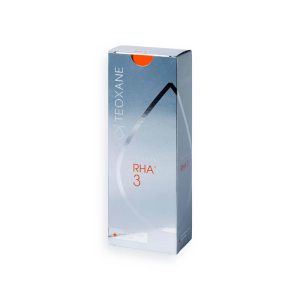
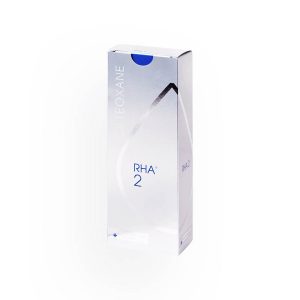
- TEOSYAL® RHA 3: A resilient filler suited for moderate dynamic folds. Moves naturally with facial expression while smoothing lines.
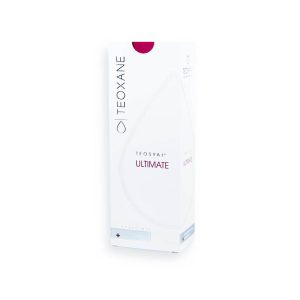
- TEOSYAL® ULTIMATE: Designed for robust volumization in larger areas. Ideal for restoring balance in the midface and contouring.
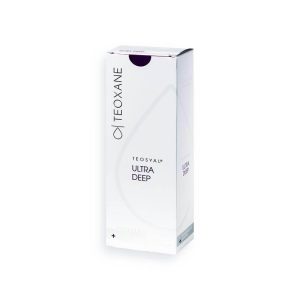
- TEOSYAL® PureSense ULTRA DEEP: A dense filler intended for deep placement with strong lift capacity. Supports cheeks, chin, and jawline.
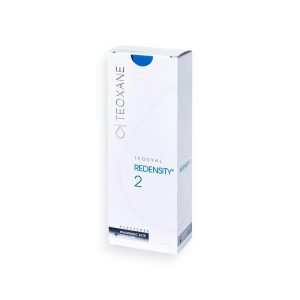
- TEOSYAL® PureSense REDENSITY II: Created for under-eye treatment, softening hollows and tear trough shadows. Its smooth texture minimizes irregularities in delicate areas.
These hyaluronic acid fillers for the face provide a spectrum of solutions, from deep volumization to subtle line correction.
Hyaluronic Acid Fillers for Cheeks
Cheek restoration requires firmer gels capable of projection and lift. Several options stand out.
- JUVÉDERM® VOLUMA® with Lidocaine: Built to deliver long-lasting cheek lift and midface structure. Maintains projection under soft tissue load.
- RESTYLANE® LYFT with Lidocaine: A firm gel for deep injection into the cheeks. Offers reliable volumization and structural contouring.
- STYLAGE® XL BI-SOFT®: Suitable for larger-volume cheek correction and contouring. Provides lift with smooth transitions.
- STYLAGE® XXL BI-SOFT®: An extra-high capacity filler intended for pronounced midface augmentation. Chosen when a strong lift is needed.
- TEOSYAL® ULTIMATE: Restores cheek volume while blending naturally into surrounding tissues. Provides structural support with aesthetic balance.
These hyaluronic acid fillers for cheeks allow injectors to address midface deflation, enhance symmetry, and restore youthful contour.
Hyaluronic Acid Fillers for Buttocks
Body contouring with HA fillers is an advanced application that requires large-volume products.
- HYACORP MLF2® BODY CONTOURING (1×10 ml): Designed for gluteal augmentation with a high-viscosity formulation. Provides volume and contour in larger body areas.
- HYACORP MLF1® BODY CONTOURING (1×10 ml): Intended for shaping smaller body zones, including superficial buttock correction. Its balanced cross-linking ensures stability.
- POWERFILL® Body: A high-viscosity HA filler tailored for larger-volume treatments. Supports projection and shape in the gluteal tissue.
- POWERFILL® Injection: Suitable for both facial and body applications, including the buttocks. Offers correction where additional projection is required.
- HYACORP (Body range): The brand’s MLF2 and MLF1 lines cover buttocks and hips. Each formulation adapts to either deeper or more superficial gluteal planes.
These hyaluronic acid fillers for buttocks give practitioners tools to address gluteal contouring without surgery, though careful planning and training are essential for safe outcomes.
Benefits of Hyaluronic Acid Fillers
HA fillers blend into tissue in a way that looks natural and feels soft. For patients and practitioners, the fact that they can also be dissolved when needed is a major safety net. Downtime is short, usually just a bit of swelling or bruising, and most people are back to normal within a day or two.
Beyond volume, they give skin a healthier look by holding water in the tissue, which improves elasticity. Different formulations handle different problems: some are thin and spread easily for fine lines, while others are dense and provide lift in the cheeks or chin. In practice, this means a clinic can cover a wide range of requests with one product category, and patients know they’re getting results that can be fine-tuned rather than fixed forever.
Hyaluronic Acid Fillers Application Areas
HA fillers show up in almost every part of modern facial work. Lips and folds around the mouth are the most obvious, but cheeks, chin, and jawline are just as common. Under the eyes, a carefully chosen product can reduce hollow shadows, and in the temples, filler smooths the transition where volume has been lost. Some injectors even use them for nose shaping without surgery. For body work, higher-volume fillers are now applied in the buttocks and hips.
The range is what makes them so useful. A young patient might want subtle enhancement of natural features, while an older patient could be looking for restoration of volume that has faded with age. In both cases, the same product family can be adjusted to match the anatomy and the goal, which is why HA has become the standard choice across clinics.
Hyaluronic Acid Fillers vs. Other Dermal Filler Treatments
Other filler categories each bring something different, but none have the same mix of safety and flexibility. Calcium hydroxylapatite, for example, gives a firm lift but can’t be dissolved if the outcome isn’t right. Poly-L-lactic acid works slowly, building collagen over time, so patients wait months to see results. Permanent fillers like PMMA carry long-term risks that are hard to correct. Fat transfer can be powerful, but it requires surgery, and outcomes aren’t always predictable.
Hyaluronic acid sits in the middle, which is exactly why it dominates. It’s strong enough to lift, soft enough to smooth, and temporary enough to be changed when needed. For clinics, this is a major advantage: treatments can be adapted over time rather than locked in. For patients, it means results are both safe and flexible, which explains why HA fillers remain at the core of aesthetic practice everywhere.
Potential Side Effects
Although hyaluronic acid fillers are widely regarded as safe, side effects can occur. The most common are temporary: swelling, redness, bruising, or mild soreness at the injection point. When filler sits too close to the surface, it may cause small irregularities or, in some cases, a bluish hue known as the Tyndall effect.
Serious complications are rare but possible. Vascular occlusion is the one that requires immediate recognition and treatment with hyaluronidase. Delayed nodules or inflammatory responses can also appear, but they are uncommon.
Some patients notice uneven swelling or small lumps under the skin. These often resolve as the product settles, though correction is possible if they persist. Larger-volume body treatments, such as buttock injections, carry a higher chance of swelling or bruising, which is why proper training is so important.
Most minor effects fade within a week. Clinics should still keep clear emergency protocols and the right products on hand to address complications quickly.