Which Orthopedic Injection Techniques Deliver Better Results?
Orthopedic injections might sound like something reserved for injury or arthritis, but they’re really about keeping joints moving the way they’re meant to. These treatments send small amounts of medicine straight into the joint, tendon, or nearby tissue. That direct route means faster relief and often, better recovery.
They help reduce stiffness, calm swelling, and let the body heal with less strain. The interesting part is that the results don’t depend only on what’s injected. They depend on how it’s injected, the technique itself. A small change in angle or depth can change how well the medicine spreads and how long it lasts.
If you’ve ever looked into injection for orthopedic pain, you’ve probably seen that doctors use different approaches for different areas. This guide walks through the most common ones and how precision plays a big role in comfort and long-term joint health. You’ll also learn where methods like orthopedic injections for back pain and orthopedic injectable medications for sale fit into modern care.
Understanding Orthopedic Injection Techniques
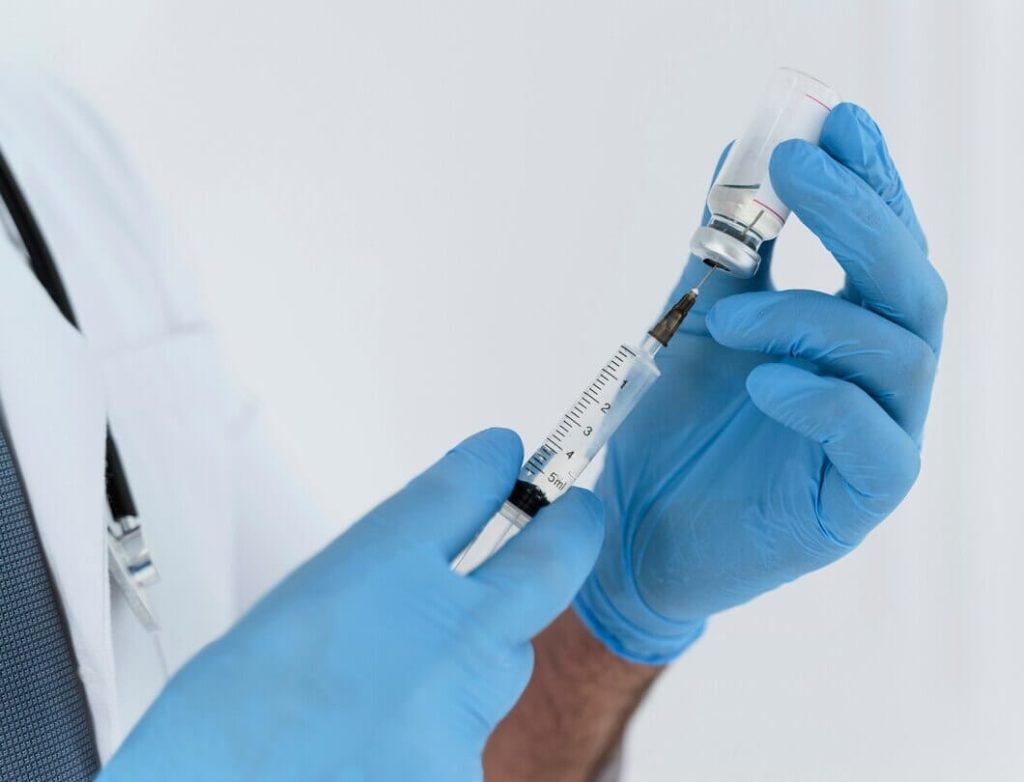
When people mention orthopedic injection techniques, they’re talking about how a doctor delivers medicine inside or around a joint. It sounds technical, but the goal is simple: get the medicine where it can actually work.
A small needle goes into the target area, sometimes guided by touch, sometimes with an imaging tool like ultrasound. The more precisely it reaches the spot that’s inflamed or tight, the better the result. Accuracy means less discomfort and quicker recovery.
These techniques aren’t only for therapy. Sometimes they’re diagnostic. If an injection brings instant relief, it confirms where the real problem sits. Whether the goal is diagnosis or treatment, doctors rely on detailed knowledge of bones, tendons, and ligaments to choose the safest path.
The Role of Precision and Anatomy in Injection Success
A good injection depends on understanding what’s beneath the skin. Every joint is its own small puzzle, tendons crossing over ligaments, muscles protecting nerves. Knowing where those pieces sit makes all the difference.
Take the knee, for example. If the needle passes just beside the patella (the kneecap) at the correct depth, medicine flows right into the joint space. A few millimeters too shallow, and it may not reach the right pocket. That tiny miss can mean shorter relief.
Because of this, many clinicians use ultrasound or fluoroscopy. Those tools show the needle’s position in real time, allowing careful adjustments. It feels safer for patients, too, no guessing, no pushing through resistance. Just steady, visual confirmation that the medicine is where it belongs.
Common Techniques for Orthopedic Injection
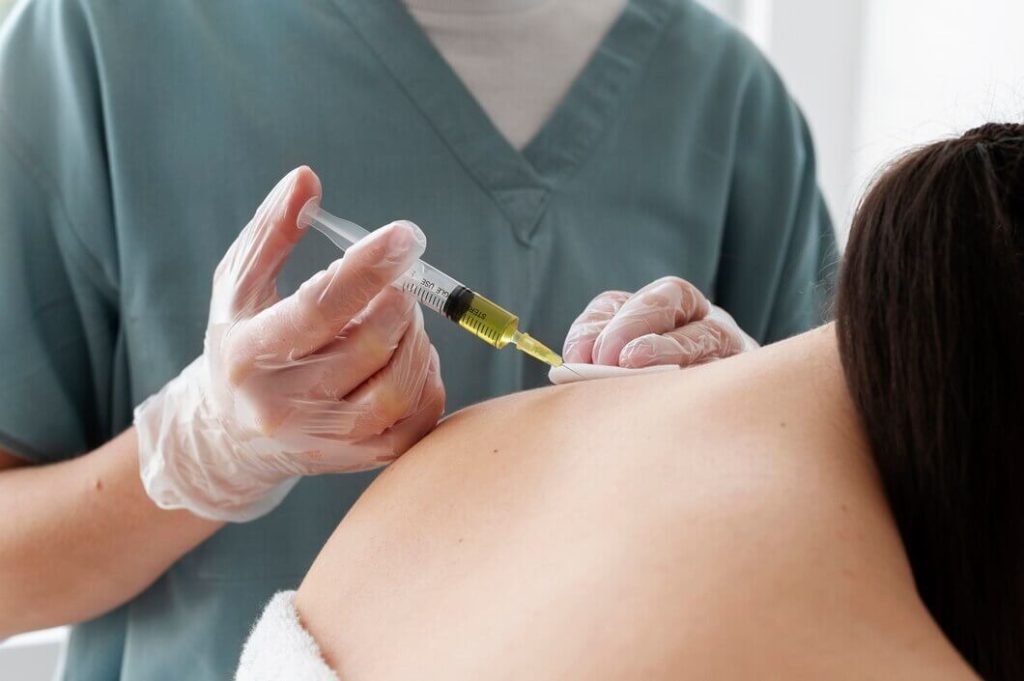
Different joints call for different strategies. The same rule applies to injuries; what works for a swollen shoulder won’t suit a stiff knee. Below are several widely used techniques for orthopedic injection, each designed for a specific need.
1. Anterolateral Approach (Knee Injection)
For knee injections, this is often the go-to. The needle slips in from the outer front side of the knee, just above the joint line. It gives direct access to the cavity where fluid builds up while steering clear of thick ligaments.
Doctors often use this route for corticosteroid or hyaluronic acid treatments — medicines that quiet inflammation and make motion smoother. Patients usually describe it as a quick pinch followed by warmth in the joint.
2. Anteromedial Approach
This one mirrors the first but enters from the inner front side instead. It’s chosen when the outer knee has scar tissue, prior surgical marks, or tenderness. The path feels slightly shorter and gives a clear view of the space beneath the kneecap.
Because the direction is more straightforward, it’s a favorite for intra-articular knee injections where accuracy matters most.
3. Posterior or Lateral Approach (Shoulder Injections)
The shoulder’s design makes it tricky because the nerves, vessels, and tendons crisscross like cables. With the posterior or lateral approach, the doctor inserts the needle from the back or side of the shoulder, guiding it gently toward the main joint cavity.
This route avoids sensitive structures and is ideal for bursitis or rotator cuff inflammation. When done slowly, most patients feel only mild pressure before the muscle relaxes.
4. Infiltration Techniques for Soft Tissue Injuries
Sometimes the target isn’t the joint at all but the soft tissue around it. Infiltration techniques mean the medicine is placed right inside the tissue — a tendon, a small muscle, or a ligament.
They’re used for tendonitis or sprains where fibers are irritated but intact. The focus is local healing, not lubrication. The depth and angle have to be precise; too shallow and it won’t reach the inflamed spot, too deep and it can bruise.
When performed gently, infiltration gives direct, long-lasting comfort and helps the tissue recover naturally.
5. Ultrasound-Guided Injection Techniques
Ultrasound has changed everything. Watching the needle move on a screen may sound futuristic, but it’s now standard practice in many clinics.
This live imaging allows doctors to place medicine exactly where it’s needed. It’s especially useful for small or deep joints like the hip, wrist, or ankle. It also reduces pain since the needle doesn’t have to wander around searching for the right spot.
Ultrasound guidance is now common with treatments such as platelet-rich plasma (PRP) or cortisone injections. For patients, it simply means more comfort and better results.
Step-by-Step Overview of a Typical Orthopedic Injection
Most orthopedic injections follow a simple rhythm:
- Preparation: The area is cleaned with an antiseptic to keep everything sterile.
- Localization: The doctor feels or visualizes the site that needs the medicine.
- Anesthesia: A touch of lidocaine may be added so the sting fades quickly.
- Injection: The medication flows slowly into the joint or soft tissue.
- Post-care: The skin is wiped, and you may rest for a few minutes before leaving.
The whole process often takes under fifteen minutes. There’s no heavy downtime — just light movement for the rest of the day and maybe some gentle stretching the next.
Factors That Influence Injection Results
Every person’s body responds a little differently. A few key things shape the outcome:
- Technique: The doctor’s skill and chosen approach.
- Anatomy: How your joint is built and where inflammation sits.
- Medication type: Steroids calm swelling; hyaluronic acid cushions; PRP encourages repair.
- Aftercare: Light movement, hydration, and rest make results last longer.
When those factors line up, improvement can last for weeks or even months.
When to Use Advanced Techniques
Some joints are harder to reach, like the hip, spine, or sacroiliac region, for example. Here, imaging guidance becomes essential. It prevents the needle from touching nerves and helps the doctor stay in the safe zone.
Professional athletes often rely on these methods to manage recurring pain without losing training time. Even for non-athletes, guided injections are a way to stay active without invasive treatment.
Benefits of Proper Orthopedic Injection Technique
Getting the technique right changes everything:
- Pain relief arrives faster. When the needle reaches the right pocket inside the joint, the medicine doesn’t wander. It settles where inflammation starts. That’s why relief often comes sooner, sometimes in a day, sometimes a little longer, but you feel the difference faster than with a surface-level treatment.
- Recovery feels smoother. A clean, steady injection leaves less irritation afterward. There’s less swelling, less tightness, and usually no need to baby the area for long. You move around normally, just a little more careful that first day. The healing feels quiet and steady instead of sore.
- Movement improves, and stiffness fades. Once the joint starts to loosen, motion follows. Walking, stretching, and even turning a doorknob feel easier. The stiffness that once slowed you down starts to melt away because the medicine landed exactly where it was meant to help.
- Fewer follow-up injections are needed. When one session is done well, the joint stays calm for longer. The doctor doesn’t have to chase the pain with extra shots. You save time, avoid repeat swelling, and get back to daily habits without planning the next visit.
Good technique keeps the focus on longevity. Joints that keep working for years, not just weeks. It’s a small detail that brings big rewards for mobility and confidence.
References
- Rimeika, G., Saba, L., Arthimulam, G., Della Gatta, L., Davidovic, K., Bonetti, M., Franco, D., Russo, C., & Muto, M. (2021). Metanalysis on the effectiveness of low back pain treatment with oxygen-ozone mixture: Comparison between image-guided and non-image-guided injection techniques. European Journal of Radiology Open, 8, 100389. https://doi.org/10.1016/j.ejro.2021.100389
- Imani, F., Mohammad-Esmaeel, F., Morsalli, S.-F., Ahani-Azari, A., Alimian, M., Nikoubakht, N., & Emami, A. (2024). Comparison of clinical effects and physical examination of transforaminal and caudal steroid injection with targeted catheter in lumbar radiculopathy: A single-blind randomized clinical trial. Brain and Behavior. Advance online publication. https://doi.org/10.1002/brb3.70067
- Manchikanti, L., Knezevic, N. N., Navani, A., & Schultz, D. M. (2022). Comparative systematic review and meta-analysis of Cochrane review of randomized controlled trials of epidural injections in managing chronic low back pain. Pain Physician, 25(7), E1041–E1063. https://pubmed.ncbi.nlm.nih.gov/36288577/
- Liu, J., Li, J., & Liu, Y. (2016). The effectiveness of transforaminal versus caudal routes for epidural steroid injections in managing chronic low back pain: A meta-analysis of randomized controlled trials. Pain Physician, 19(4), E557–E569. https://pmc.ncbi.nlm.nih.gov/articles/PMC4863760/
- Haring, R. S., & Derby, R. (2024). Comparing the clinical outcomes of lumbar transforaminal epidural steroid injections and caudal epidural steroid injections for lumbar radiculopathy. Pain Medicine. Advance online publication. https://pubmed.ncbi.nlm.nih.gov/39239500/