What Post-Care is Needed After an Orthopedic Injection — Recovery Tips
Orthopedic injections work by delivering medication directly to where the joint needs support. They calm irritation and ease stiffness without a lengthy procedure or hospital stay. Even though the appointment is quick, what you do afterward shapes how well the joint responds. A little attention makes the first day more comfortable and gives the medicine a better chance to settle in. This guide focuses on orthopedic injection post care in simple terms, so you know what’s normal and what actually helps during recovery.
Why Post-Care Matters
Aftercare might feel like an extra step, but it carries a lot of weight. The joint needs a quiet window to adjust to the injection. When people follow orthopedic injection preparation instructions, they’re really preparing the tissues to handle the treatment — and the same idea continues after the appointment. Small habits make the joint feel calmer. Cooling the area limits puffiness. Rest keeps irritation from building. Clean skin avoids issues around the injection point.
Good aftercare also helps the medication stay where it needs to be. When you avoid complex movements early on, the medicine spreads evenly rather than being pushed around by sudden pressure. That steadiness can affect how long the relief lasts. Patients often notice that the more they respect those early hours, the smoother the days that follow feel. Post-care keeps the focus on healing instead of discomfort.
What to Expect Immediately After the Procedure
Right after the injection, the body responds in small, predictable ways. You may feel a warm patch around the site, a bit of heaviness, or a quick sting fading out. The joint sometimes tightens for a short time. None of these signals trouble; it’s simply the tissues reacting.
A nurse or assistant usually checks that you feel steady before you leave. Most people return to simple routines like walking, light housework, or driving the same day. Deeper results take longer because different injections work at different speeds. Some kick in within a couple of days, others build up gradually.
Clinics will often talk openly about orthopedic injection cost and availability during this stage because your experience in the next few weeks depends partly on which product was used and what follow-up plan fits your needs. Knowing that ahead of time helps you understand the pace of improvement and when to expect changes.
Post-Care of Orthopedic Injections — Step-by-Step Guide
The first day sets the tone for recovery. If you give the joint a calm environment, the medicine has room to work.
- First 24 Hours: Take it slow. Rest the joint when you can. Short walks are fine, but avoid anything that makes the joint feel heavy or strained. Keeping the skin dry helps the small puncture close without irritation.
- Cold Compress: A cold pack for ten minutes at a time eases swelling. People sometimes try longer sessions, but short, repeated work is more effective. Wrap the ice so it doesn’t sit directly on the skin.
- Activity Restrictions: Hold off on lifting, jogging, pushing heavy objects, or deep bending. Your body will let you know if something is too much, but it’s best not to test the limits early.
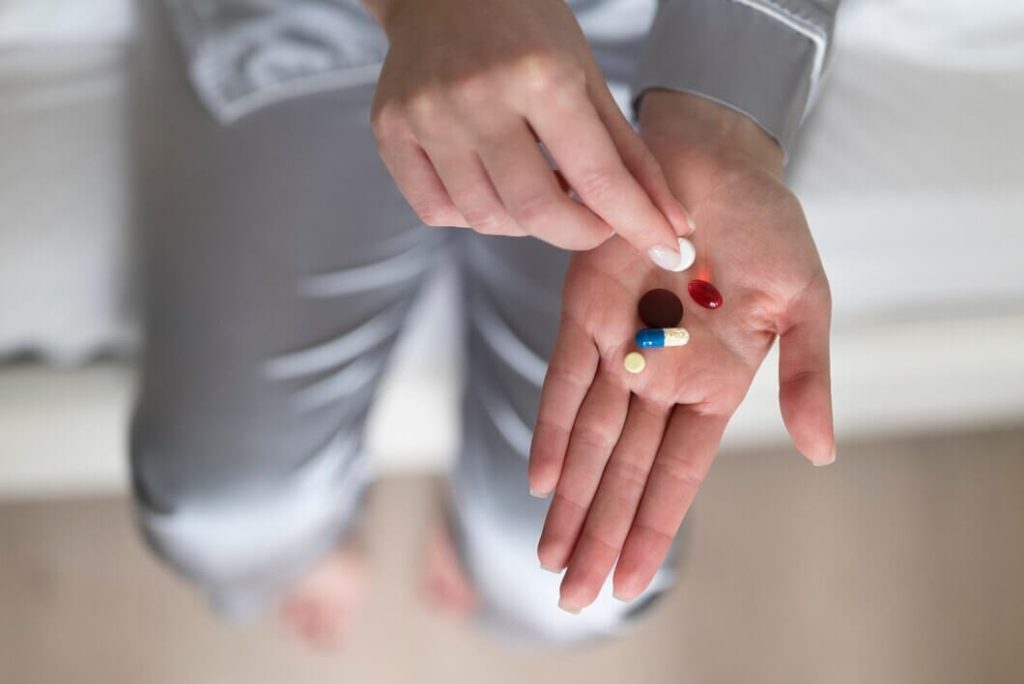
- Pain Management: If the joint feels sore, acetaminophen is usually the safest choice, provided your doctor agrees. Avoid painkillers that thin your blood unless you were told otherwise.
- Hygiene: Showers are fine. Soaking the area is not. Pools, tubs, and hot tubs should be avoided for at least a day or two because they soften the skin and disrupt healing.
These steps aren’t complicated, but they set up a much easier second day.
When to Resume Regular Activities
Most people feel ready to resume everyday routines within one to three days. The amount of time depends on the joint, the type of injection, and your body’s reaction. Once the soreness eases, you can ease into low-impact movement. Short walks help the joints feel less stiff. Light stretching keeps things mobile without pushing too far.
Anything that strains the area, long hikes, heavy workouts, and contact sports, should wait until your doctor says the joint is ready. Returning too early tends to cause evening soreness, a sign the joint wasn’t quite prepared yet. Gentle and steady usually works better than rushing.
Managing Pain and Swelling at Home

The soreness that follows most injections feels more like a bruise than sharp pain. Ice helps. So does elevating the joint when possible. People who’ve had knee, ankle, or elbow injections often find that propping the limb up for a bit reduces the slow, pressure-building feeling.
Water helps the body regulate inflammation. A balanced meal helps too, something easy on digestion, nothing heavy. These small choices support tissue recovery more than people expect. If the soreness suddenly changes in character or spreads unusually, it’s worth calling your provider. Early questions are always better than late concerns.
Signs You Should Call Your Doctor
While most reactions are mild, a few signs deserve attention. If the skin becomes redder throughout the day instead of fading, let your clinic know. If swelling keeps growing instead of settling, or if the joint feels warm in a way that doesn’t match simple irritation, make the call. Fluid leaking from the site, fever, or a sudden change in movement are also reasons to check in.
These issues are uncommon, but not something to wait on. A quick conversation can clear up uncertainty and help you avoid bigger problems.
Long-Term Recovery and Maintenance Tips
Once the early soreness fades, your focus shifts to maintaining the results. Light exercise is one of the strongest tools. Movements like walking, cycling at a low speed, or swimming provide the joint with steady motion without strain. Strengthening nearby muscles helps the joint handle daily activities more comfortably.
You may hear your provider explain how orthopedic injection long-term effects fit into the bigger picture, how long relief might last, when a follow-up makes sense, and what lifestyle habits can stretch the benefits further. Carrying less weight on the joint, staying active, and following any suggested physical therapy often make a big difference. Regular check-ins keep your treatment plan flexible and responsive to how the joint feels over time.
References
Han, C., Gan, D., Meng, C., Qiu, Y., & Hao, T. (2024). Efficacy and safety of intra-articular glucocorticoid injection for postoperative pain control after knee arthroscopy: A systematic review. Journal of Orthopaedic Surgery and Research, 19(1), Article 736. https://doi.org/10.1186/s13018-024-05204-x
FirstPointMD. (2025, September 10). How to recover safely after a cortisone injection: Do’s and don’ts. https://firstpointmd.com/recover-safely-after-a-cortisone-injection/
Advanced Orthopaedic Group. (2025, November 15). Knee injections for osteoarthritis: What to expect before and after treatment. https://www.advancedortho.com.sg/knee-injections-for-osteoarthritis-what-to-expect-before-and-after-treatment/
Nathan Mall MD. (2016, June 24). Post-injection care. https://www.nathanmallmd.com/pdf/post-injection-care.pdf
Shah, M. P. Hospital. (2025). Intra-articular injection patient guide [PDF]. https://mpshahhosp.org/wp-content/uploads/2025/08/INTRA-ARTICULAR-INJECTION-PATIENT-GUIDE.pdf