Mesotherapy for Rosacea: Soothing Sensitive Skin
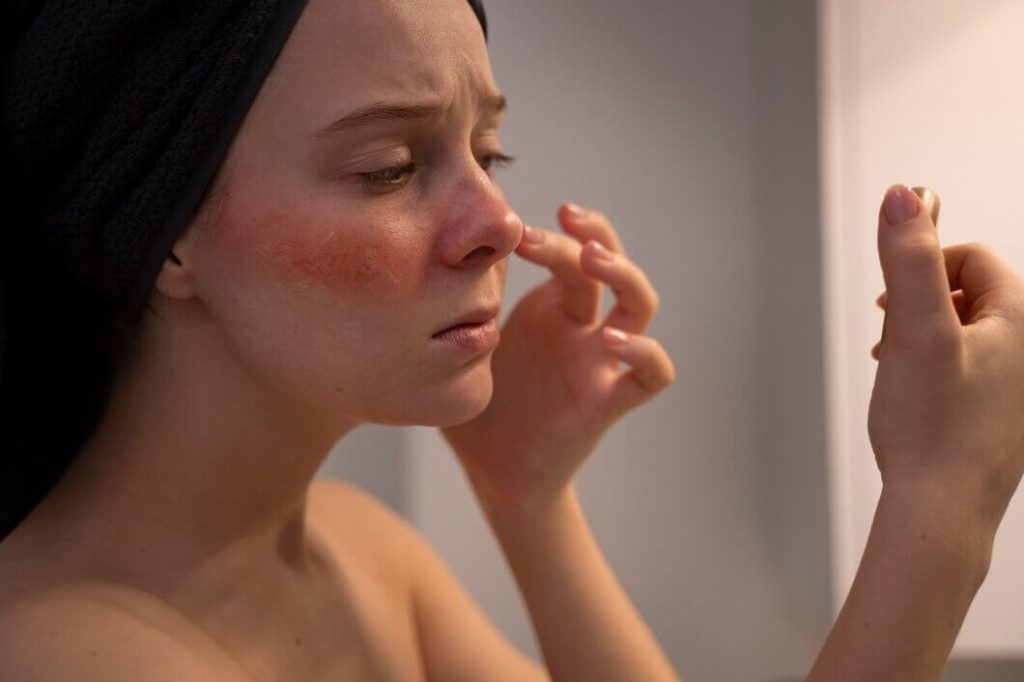
Rosacea usually appears as redness on the cheeks, nose, or chin. Small vessels may show, and the skin can sting or feel warm. It often reacts even to gentle products. Many adults experience it, especially if their skin is naturally sensitive.
Mesotherapy for rosacea takes a soothing approach. Tiny injections place calming nutrients into the deeper layers of the skin. They hydrate, support the barrier, and help reduce flare-ups. The goal is simple: more comfort, less redness, and a smoother look over time.
People sometimes notice other small improvements too, softening around the mouth where smokers’ lines form or a better texture after mesotherapy for enlarged pores. Still, everything centers on calm, balanced skin that feels good again.
Understanding Rosacea
Rosacea is a chronic skin condition. It brings flushing, redness, visible capillaries, and sometimes small bumps. Heat or the sun makes it louder. Hot coffee or wine can do it too. So can stress, harsh weather, or spicy food. These triggers cause the vessels in the skin to widen. The redness stays even when the reason fades.
There is no cure. But there is management. Hydration and barrier support reduce sensitivity. Mesotherapy works in that lane: not to treat a disease, but to improve how the skin handles life every day.
Types of Rosacea
- Erythematotelangiectatic rosacea: This type shows up as constant facial redness. Small blood vessels become visible, especially on the cheeks and nose.
- Papulopustular rosacea: This one looks similar to acne. Red bumps and small pustules appear during flare-ups.
- Phymatous rosacea: The skin becomes thicker over time. It most often affects the nose area, giving it a fuller shape.
- Ocular rosacea: This form affects the eyes. They can feel dry, irritated, or watery, and the skin around them may look red.
What Is Mesotherapy for Rosacea?
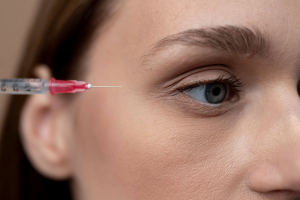
Mesotherapy uses fine injections to place vitamins, minerals, and hydrators into the middle layer of the skin. That is where circulation moves. That is where the skin reacts first.
For rosacea, the formulas are gentle. They include soothing ingredients that help the skin stay relaxed. They are also hydrating, so the tight feeling eases. The goal is to reduce redness and support a soft, balanced texture.
This treatment is done by professionals trained to work with sensitive skin. They adjust each formula for comfort.
How Mesotherapy Helps Manage Rosacea
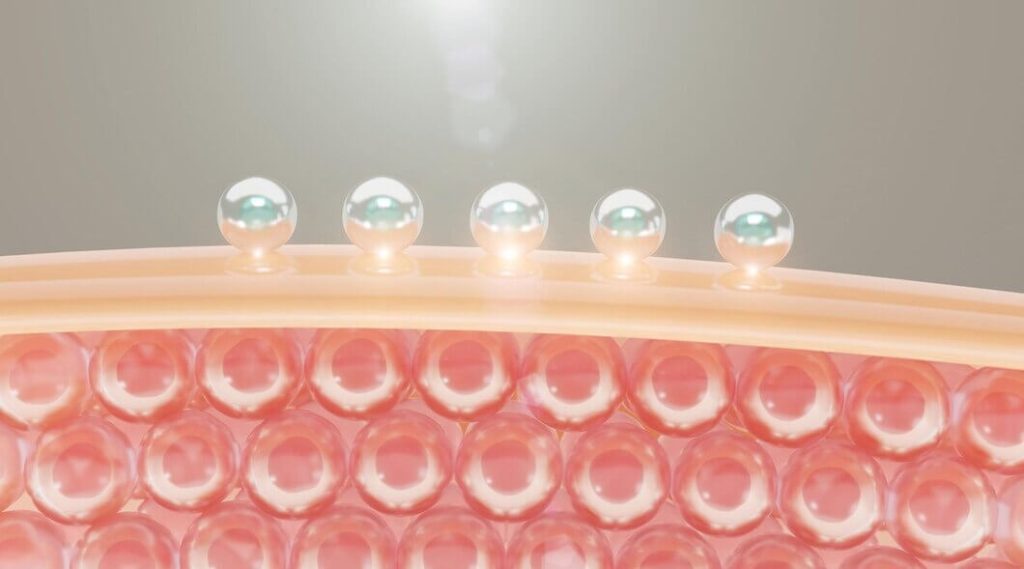
Mesotherapy helps from the inside out. Instead of layering more products on the surface, it feeds the skin below it.
Calming Inflammation
The ingredients tell the skin to relax the visible redness. Blood flow becomes more efficient, instead of pooling near the surface.
Strengthening the Skin Barrier
Hydration makes skin more resistant to daily triggers. When the barrier is strong, the face reacts less.
Promoting Cellular Repair
Healthy cells renew in a calm, steady way. Texture slowly becomes more even. That glow that feels natural begins to return.
Key Ingredients Used in Mesotherapy for Rosacea
Rosacea needs gentle care. So the blend focuses on comfort.
Hyaluronic Acid
This ingredient pulls water into the skin. Hydration softens the look of dryness and stress.
Niacinamide
Helps calm redness and keeps the barrier strong. A favorite for sensitive skin.
Antioxidants
Vitamin C, glutathione, and CoQ10 help defend against pollution and UV stress.
Peptides
Support the skin as it repairs itself. Encourage firmness over time.
Trace Minerals
Improve microcirculation and help skin tone appear more balanced.
Benefits of Mesotherapy for Rosacea
- Redness reduction: The skin looks calmer and less flushed as irritation settles and blood flow balances.
- Improved hydration: Added moisture eases tightness and keeps sensitive skin comfortable throughout the day.
- Smoother texture: Areas that once felt rough or uneven begin to look and feel softer as the skin repairs.
- Stronger barrier: The skin becomes more resilient, reacting less to everyday triggers like wind or heat.
- Comfort restored: That dry, prickly feeling fades, replaced by a more relaxed, soothed sensation.
- Natural, gradual results: Each session builds on the last, creating steady improvement that feels refreshingly subtle and not forced.
What to Expect During a Mesotherapy Session
The appointment is simple and not stressful.
Consultation
A professional checks your skin and your triggers. They choose a formula based on what your skin needs most.
The Treatment
Small microinjections. Quick tapping motions. It takes around half an hour. Most people feel only a tiny pinch here and there.
Aftercare
The skin might blush for a short moment, then settle. You can return to the day as normal. A soothing cream and SPF help protect the fresh glow.
Who Can Benefit from Mesotherapy for Rosacea
Anyone with mild or moderate redness who wants comfort without strong medications can consider it. It also works well for people who already manage rosacea but want hydration added to the routine.
If the face is in a severe flare-up, a dermatologist may ask for calming first before mesotherapy.
How Many Sessions Are Needed?
A small series gives the best start. Usually, two or three visits show a visible change. After that, some people return every few months for upkeep. The skin holds improvements much longer than with surface products alone.
Combining Mesotherapy with Other Treatments
Mesotherapy can fit into many care plans. Paired with calming lasers or LED light, redness fades faster. Paired with a simple home routine, fragrance-free cleanser, and barrier creams, results stretch further.
It can also help the whole lower face look fresher while managing redness around the nose and cheeks. When people smile, everything blends gently without sharp creases.
Long-Term Care Tips for Rosacea-Prone Skin
Daily habits make a big difference with rosacea. Gentle cleansers keep the skin clean without stripping it. Wearing SPF every day helps prevent flare-ups from sun exposure. It also helps to avoid strong heat and sudden temperature changes. Look for calming ingredients like aloe vera or ceramides in your skincare. Drinking water and eating antioxidant-rich foods support the skin from within. Small steps like these help keep the results of treatment steady.
Professional Insight: Why Practitioners Choose Mesotherapy
Professionals like the control it gives. They place exactly what the skin needs, where the skin needs it. They select formulas carefully from trusted suppliers. Clinics often rely on sources like where to buy mesotherapy injections for practice, to ensure the quality is right for sensitive skin.
Conclusion
Living with rosacea can feel like you’re constantly negotiating with your own skin. Some days it behaves. Some days, the redness shows up before you even finish breakfast. Mesotherapy gives the skin a chance to settle. A bit more hydration. A bit more strength. And over time, a healthier reaction to the world outside.
It’s not an overnight switch. It’s more like progress you notice when looking back at old photos. The goal is simple: skin that feels good to be in. When that happens, you worry a little less about flare-ups and enjoy your day a little more.
References
Leguina-Ruzzi, A., et al. (2025, October 9). Hyaluronic–succinic mesotherapy cuts rosacea redness by 80%. Journal of Cosmetic Dermatology. Retrieved from https://www.dermatologytimes.com/view/hyaluronic-succinic-mesotherapy-cuts-rosacea-redness-by-80-
Li, S., et al. (2023). Therapeutic effects of mesoderm introduction of compound glycyrrhizic acid on facial rosacea: A controlled study. Skin Research and Technology. https://onlinelibrary.wiley.com/doi/full/10.1111/srt.13328
Skin Artistry. (2023, December 30). Mesotherapy for rosacea: Soothing sensitive skin. Retrieved from https://theskinartistry.com/mesotherapy-for-rosacea-soothing-sensitive-skin/
Fan, X., et al. (2021). Successful treatment of corticosteroid-induced rosacea-like dermatitis with PRP mesotherapy. Dermatologic Therapy, 34(3), e14842. https://pmc.ncbi.nlm.nih.gov/articles/PMC8019010/