Is Mesotherapy Painful? Pain Levels and Comfort Techniques
Mesotherapy is a well-known skin rejuvenation treatment that uses tiny injections of vitamins, minerals, amino acids, and hyaluronic acid to support moisture and glow. It works inside the skin, not on top. The first question almost everyone asks is simple: Does mesotherapy hurt? The short answer is that most people feel only mild discomfort. The experience depends on technique, the blend used, and a person’s own sensitivity.
This guide explains what the treatment feels like, how comfort is managed, and why so many call it both tolerable and worth it. If you are also comparing options, you can explore mesotherapy vs. laser treatments or learn how to choose high-quality solutions, such as mesotherapy injections online for licensed professionals, for safe clinical use later.
Understanding Mesotherapy and Its Procedure
Mesotherapy is designed to hydrate, brighten, and refresh the skin from within. It involves many very small injections placed into the middle layer of the skin, called the dermis. This is where water balance and firmness are supported. With age, sun, and daily stress, skin begins to lose some of that natural comfort. Mesotherapy offers a simple way to give it back.
It can treat several areas. The most common are the face, neck, and upper chest. Some people also choose it for the scalp when they want support for hair density and scalp comfort. No matter the zone, the goal stays the same: healthier-looking skin that stays fresh through the day.
What Happens During the Procedure
A session usually begins with cleansing. A numbing cream may be applied for extra comfort. Then the practitioner uses a fine needle or a mesogun device to place the formula in tiny points. The rhythm stays steady and controlled. After the last droplets are placed, a soothing product helps calm the skin. The entire visit lasts around 30 to 45 minutes.
Some areas feel more sensitive than others. The lips and under-eye region have thinner skin, so those spots may feel sharper. The cheeks and forehead tend to feel easier. It varies from person to person, and from day to day.
Is Mesotherapy Painful? What Patients Typically Feel

Most people describe mesotherapy as a series of quick pinpricks. Others say it feels like a soft pressure with a little sting here and there. The sensation is brief, just at the moment the needle touches the skin. After that, it fades fast.
Discomfort is usually low. Some call it “annoying more than painful.” It is less intense than dental work or a stronger resurfacing treatment. Many keep chatting during the session, a good sign that the feeling is manageable. In areas with more nerve endings, such as around the mouth, the sensation can be sharper. It settles quickly once that section is complete.
There is also a sense of familiarity after the first session. People often say the second visit feels easier because they know what to expect.
Factors That Influence Pain Levels
Skin Sensitivity and Treatment Area
The thinner the skin, the more noticeable the pinpricks may feel. The scalp may feel more sensitive simply because the skin is tighter in that area. The neck and cheeks usually feel milder. Hydrated skin also handles injections better than dry skin.
Injection Technique and Equipment
The skill of the practitioner plays a major role. A steady hand and smooth rhythm keep the experience calm. Some injectors use a mesogun to deliver small droplets quickly and evenly. Others prefer manual control. Both work well when done by trained hands.
Ingredients and Formulation
Some formulas include lidocaine, a gentle numbing ingredient. It can ease the feeling from inside the skin itself. Thicker products may feel slightly stronger during placement, while lighter ones glide more easily.
Comfort Techniques and Pain Management Options
Most clinics plan comfort into the visit from the start. A numbing cream can go on for 20 to 30 minutes before treatment. Cooling pads or soft airflow can help as each area is treated. When the patient is relaxed, the whole experience feels lighter.
Topical Anesthetics and Cooling Methods
Most places use a numbing cream before they even start. It just takes the edge off. You sit for a little while and let it do its thing. Then the skin doesn’t react as much when the treatment begins. Cooling helps too. A cold gel, or a simple cool pad on the skin, can make everything feel calmer. Some clinics even use a little stream of cold air. The idea is simple: keep the area quiet so you don’t focus on each tiny tap.
Gentle Injection Techniques
The way the injector moves matters a lot. Small steps. Soft pressure. Nothing rushed. That steady pace prevents any sudden “ouch” moments. A good practitioner keeps checking in. They notice if one spot needs a slower touch. Or if you need a second to breathe. It feels more like teamwork than a procedure, which makes the whole thing easier to handle.
Distraction and Relaxation Tips
People are surprised by how much small comforts help. Music in the background. Hands resting on a cozy blanket. Breathing out when the needle touches down. Some people like to chat. Others go quiet and imagine something nice. When the mind wanders away from the skin, the sensation shrinks fast. It feels like the minutes go by quicker, too.
Post-Treatment Sensations and Aftercare
Right after a session, the skin may look a bit pink. It may feel warm or slightly sensitive in places where more nervous tissue sits. Any puffiness fades within hours. Most people go right back to their day. Some wait until the next morning to apply makeup so the skin stays clean and calm.
Good hydration helps the result shine through. Sunscreen is a must because fresh skin appreciates protection. Gentle cleansers and light moisturizers keep things smooth. That is usually all the care needed.
When to Contact a Practitioner
If any discomfort lingers for more than two days, it is smart to check in. Skilled providers are quick to reassure and offer a calming step if needed. Any unusual sensation is better handled with a call than with worry. Choosing a trained injector at the start prevents most issues.
This is also the moment to ask questions about future sessions. A plan that respects your comfort builds trust and keeps each appointment smooth.
Benefits That Outweigh Discomfort
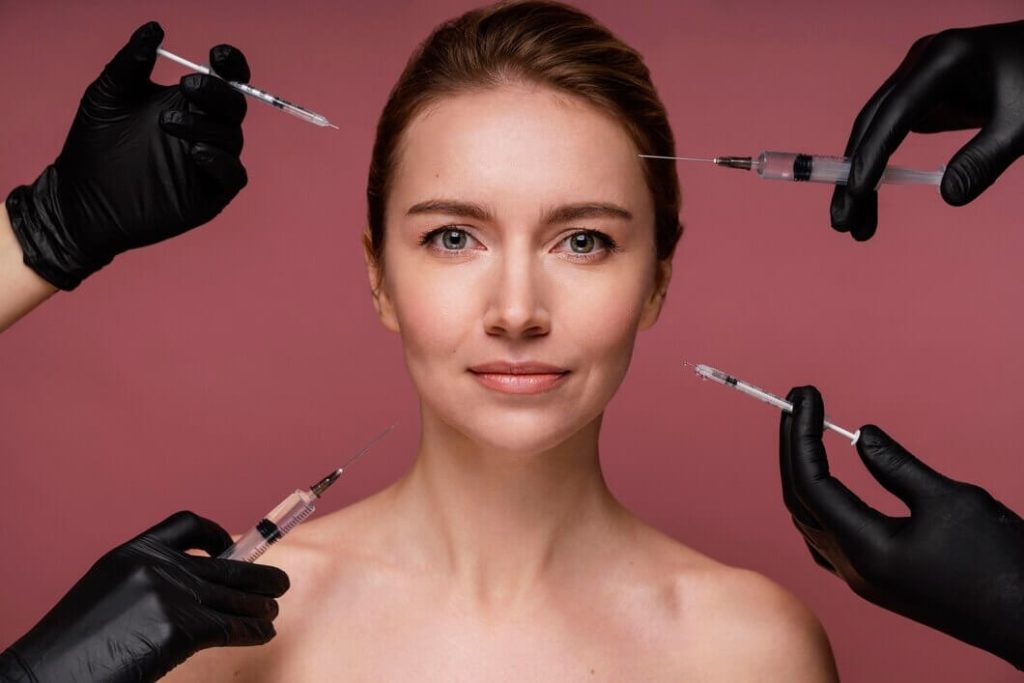
Hydration remains the number one reason people try mesotherapy. The skin holds water better and looks awake without makeup. Tone appears more even. Fine dryness lines soften. There is a quiet boost in confidence that follows, especially when compliments come from others who cannot guess the reason. Some people read about mesotherapy side effects before they book, but most of those are short-lived and part of the normal post-treatment response.
Recovery is fast. The glow feels like something you earned, not something you had to suffer through. Many find the small moment of stinging a fair trade for weeks of feeling more vibrant. That is why so many people keep coming back to it.
References
Visodent NYC. (2024, November 23). Mesotherapy discomfort levels – Pain insights revealed.
https://visodentnyc.com/blog/how-painful-is-mesotherapy
De Vuono, A., et al. (2021). Post-herpetic pain managed according to the recommendations of the Italian Society of Mesotherapy. Asploro Journal of Biomedical and Clinical Case Reports, 2021.
Ranieri, M., et al. (2024). Effects of intradermal therapy (mesotherapy) on bilateral painful shoulder bursitis: A randomized controlled trial. Pain Research and Management, 2024.
https://pmc.ncbi.nlm.nih.gov/articles/PMC10817508
Mammucari, M., et al. (2012). Role of mesotherapy in musculoskeletal pain: Opinions and current clinical applications. Evidence-Based Complementary and Alternative Medicine, 2012, 436959.
https://onlinelibrary.wiley.com/doi/10.1155/2012/436959
Paolucci, T., et al. (2019). Mesotherapy in the treatment of musculoskeletal pain in rehabilitation: Current evidence and practice. Journal of Pain Research, 12, 1039-1047.