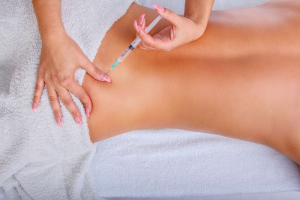
HA Filler and Polynucleotides Storage, Handling, and Shelf Life: Best Practices for Clinics
TL;DR: Proper storage, handling, and adherence to shelf-life guidelines ensure HA fillers and polynucleotides remain effective, safe, and ready for clinical use.
Getting HA filler and Polynucleotides storage, handling, and shelf life</span> right protects your practice on multiple fronts. When you nail proper product management, you lock in three wins: product authenticity verification, consistent inventory quality, and fair cost control through reduced waste. You can set up bulletproof storage protocols in about 10 minutes.
Clinic procurement involves bulk orders for multiple treatments or repeat purchases over the course of months. Smart product management means checking supplier documentation, verifying packaging integrity, confirming supply chain authenticity through lot tracking, and monitoring fulfillment consistency.
Your storage approach directly impacts patient safety and the bottom line. Poor storage leads to compromised products that could cause reactions, wasted inventory from expiration, and money lost on ineffective treatments. The winning move is nailing down traceability verification before negotiating pricing. Keep your storage and handling checks identical for every product reorder.
Overview of HA Fillers and Polynucleotides
HA fillers are gel formulations made with cross-linked hyaluronic acid in a sterile carrier. The cross-linking makes them stable but also sensitive to temperature swings and contamination. The gel structure breaks down if exposed to heat or freeze-thaw cycles.
Polynucleotides are DNA fragments that require careful handling. These biological molecules come from purified salmon sources. Temperature fluctuations mess with DNA integrity. Light exposure degrades the molecular structure.
Stability differences between the two matter for storage. Most HA fillers handle room temperature pretty well if it stays consistent. Some need refrigeration, though. Polynucleotides typically require tighter temperature control and protection from light.
Shelf life varies significantly. Unopened HA fillers usually last 12-24 months, depending on brand. Polynucleotides might have a shelf life of 18-24 months unopened. Once you crack open either product, you’re looking at using them within hours to days max.
Understanding procurement basics matters too. HA dermal filler wholesale pricing often comes with volume commitments, requiring careful shelf-life planning.
Storage Conditions
Temperature requirements split products into different categories. Some HA fillers stay stable at controlled room temperature between 68-77°F. Others need refrigeration at 36-46°F. Check your specific product insert each time, as formulations vary.
Polynucleotides usually need refrigeration in that 36-46°F range. Letting them sit at room temp too long before use can reduce effectiveness. Some practitioners take them out 30 minutes early to bring them closer to body temperature for easier injection.
Never freeze either product unless the manufacturer explicitly says it’s okay. Freezing destroys the gel structure in HA fillers. Ice crystals tear apart molecular chains. Polynucleotides suffer similar damage from freezing.
Humidity and light exposure both degrade products. Store everything in a dry environment with humidity below 60%. Keep products in original packaging until right before use. The packaging blocks light and maintains sterility.
Direct sunlight kills both products. UV exposure breaks down hyaluronic acid and damages DNA fragments. Even fluorescent lighting causes issues over time. Store products in closed cabinets away from windows.
Manufacturer-specific guidelines always trump general rules. Read the package insert with each product. Some newer formulations have different stability profiles. Don’t assume all products from one manufacturer follow the same rules.
Handling Best Practices
Avoiding contamination starts before you open a product. Wash your hands thoroughly and put on clean gloves. Wipe down the outside packaging with an alcohol swab before bringing it into your sterile field.
Transport and internal handling create risk points that people miss. Products need temperature monitoring during transit. Ask suppliers about cold chain protocols. Get products into proper storage within 30 minutes of arrival.
Don’t let products sit on countertops for hours. Grab what you need when you need it. Return unused products to storage immediately if plans change.
Use sterile techniques during preparation. Never touch the tip of a needle or cannula. Don’t draw product from a vial using a needle you already touched to your skin. Use fresh sterile needles for every draw.
Check products visually before use. Look for particles floating in solution. Check that the gel hasn’t separated or changed color. Any cloudiness means toss it.
HA filler patient consultation checklist protocols should include product verification steps.
Shelf Life and Expiry Management
Understanding lot numbers and expiration dates protects patients and your wallet. Lot numbers trace back to manufacturing batches. Write down the lot numbers from every product you use. If there’s a recall, you’ll know which patients got affected products.
Expiration dates tell you the last day the manufacturer guarantees full potency. Using expired products puts patients at risk and exposes you to liability.
Monitoring shelf life means checking dates way before injecting. When inventory arrives, note expiration dates immediately. Some suppliers send products with only 6-8 months remaining.
Rotation follows FIFO – first in, first out. Put new inventory behind older inventory. Use products with closer expiration dates first.
Set up a simple tracking system. Log product name, lot number, expiration date, and quantity. Update when you receive shipments and use products. Check monthly.
Create alerts for products within 3 months of expiration. That gives you time to use them up.
Common Mistakes and How to Avoid Them
Storing in incorrect temperatures wrecks more inventory than anything else. The biggest mistake is assuming all products can live at room temp. Read those package inserts. If refrigeration is required, it’s required.
Temperature fluctuations are just as bad as wrong temperatures. Don’t store products in fridges that are constantly opened. The temperature swings damage product stability. Use a dedicated medical-grade fridge if possible.
Mixing products improperly can cause contamination and reduce effectiveness. Never combine different products in the same syringe unless the manufacturer specifically says it’s safe. Don’t mix HA fillers with polynucleotides. Don’t even mix different HA filler brands together.
Some practitioners try mixing leftover product from multiple syringes to avoid waste. This creates contamination risk and violates sterility. Once a syringe is used on a patient, the remaining contents go into the sharps container.
Ignoring manufacturer instructions happens when practitioners get comfortable with products. Just because you’ve used a product for years doesn’t mean you can skip reading the insert when formulations change.
Reusing single-use products is both unsafe and illegal in most jurisdictions. If the product is marked single-use, you use it once.
Glossary
- HA filler: Injectable gel made from cross-linked hyaluronic acid used to add volume and smooth wrinkles in facial treatments.
- Polynucleotides: Chains of DNA molecules from purified sources that stimulate cellular repair and collagen production.
- Shelf life: The period during which a product remains stable, effective, and safe to use.
- Storage conditions: The specific temperature, humidity, and light exposure requirements that maintain product quality.
- Handling protocols: Standardized procedures for transporting, preparing, and using products while maintaining sterility.
References
Allergan. (2024). Juvéderm product storage and handling guidelines. Retrieved from https://www.allergan.com
American Society for Dermatologic Surgery. (2023). Best practices for dermal filler storage and handling. Retrieved from https://www.asds.net
Galderma. (2024). Restylane storage requirements and shelf life. Retrieved from https://www.galderma.com
Medical Devices FDA. (2023). Medical devices requiring refrigeration. Retrieved from https://www.fda.gov/medical-devices/emergency-situations-medical-devices/medical-devices-requiring-refrigeration
Merz Aesthetics. (2024). Belotero product storage guidelines. Retrieved from https://www.merzaesthetics.com
National Center for Biotechnology Information. (2021). Stability and storage of hyaluronic acid dermal fillers. Retrieved from https://pubmed.ncbi.nlm.nih.gov