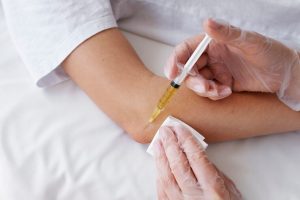
Polynucleotides Safety Profile and Adverse Reaction Management: A Clinician’s Guide
TL;DR: Understanding the safety profile of polynucleotides and how to manage adverse reactions ensures predictable, effective, and safe facial rejuvenation treatments.
Mastering polynucleotides safety profile and adverse reaction management equips you to deliver safe outcomes consistently. When you understand proper safety protocols, you hit three goals: reliable patient experiences, minimal complications, and confident clinical decisions. You can establish solid safety standards in about 12 minutes.
Clinical practice involves ordering quality products, training staff, and building protocols for different patient types. Sound procedures mean knowing which patients qualify, recognizing early warning signs, implementing sterile technique, and having clear escalation paths.
Your safety approach protects patient wellbeing and practice reputation. Strong protocols prevent avoidable complications, reduce patient anxiety, and minimize liability exposure. The winning strategy is to prioritize tissue compatibility before aesthetics. Keep safety checks standardized for every treatment.
Safety Overview of Polynucleotides
Polynucleotides work differently from synthetic stuff because of how compatible they are with your body. These DNA fragments get pulled from purified salmon sources. The molecular setup looks a lot like human DNA. So your immune system treats them as familiar rather than a foreign invader.
They activate cellular repair without creating physical volume that could squish blood vessels. Regular fillers actually take up space under your skin. Polynucleotides just dissolve and get absorbed while telling your fibroblasts to get busy. Your body breaks them down naturally. Nothing synthetic hangs around permanently.
Most patients tolerate these really well. Since everything’s biodegradable, even when reactions pop up, they’re temporary. People handle the injections without much drama, aside from the usual needle sensations.
The differences from regular fillers matter for safety planning. HA fillers can cause vascular occlusion if you accidentally hit a vessel. Polynucleotides carry way lower vascular risk since they’re not creating bulk. The catch is you can’t dissolve them instantly like HA fillers.
Polynucleotides injection protocols for facial aesthetics walk through the depth and dosing details that keep reaction risk low.
Common Adverse Reactions and Their Incidence

Minor reactions occur in a pretty predictable subset of treatments. Redness at injection sites happens with maybe 30-40% of patients. Makes sense since needles create little trauma spots and your blood flow kicks up. The redness usually fades within hours, definitely gone by the next day.
Swelling can occur as your body reacts to the injection. Around 25-35% of patients experience some puffiness at the treatment site. It usually peaks in the 12-24 hour range, then starts going down over two or three days. Ice packs help.
Bruising is all over the place, depending on your technique and who you’re treating. People with thin skin bruise way easier. Spots with tons of tiny vessels, like under-eyes, are bruise magnets. Maybe 15-20% of patients develop visible bruising that clears up within a week.
Little bumps just under the skin happen when the product lands too close to the surface. Shows up in roughly 10-15% of treatments. These bumps usually go flat within a couple days as the polynucleotides spread out.
Rare complications are worth knowing about, even though they don’t happen much. Infection risk stays under 1% when you’re following proper sterile technique. Watch for heat building up, redness lasting past 3 days, and any pus.
Nodules from deeper injections occur in about 2-3% of cases. These feel like firm little lumps that don’t go away quickly. Sometimes they need corticosteroid shots or just time to break down.
Patient factors play into how they react. Blood thinners jack up the risk of bruising big time. Active skin stuff raises infection risk.
Prevention Strategies

Patient screening catches most problems before they start.
- Ask straight up about fish allergies since salmon DNA is what most products are made from. Severe fish allergies are a hard no. Even mild ones make you want to be extra careful.
- Go through current medications, especially blood thinners like aspirin or ibuprofen. Get patients to stop the non-essential ones about a week before if it’s medically okay.
- Check if they’ve got any active infections on their face. Even a regular cold can mess with the immune response. Push the appointment back if they’re dealing with active acne or cold sores in the treatment zones.
- Pregnancy and breastfeeding are both no-gos since there isn’t sufficient safety data. Active autoimmune flares need to calm down first. Bleeding disorders need medical clearance.
- Good injection technique stops most complications. Fresh, sterile needles for every patient. Clean the skin really well with an antiseptic and let it dry before you start.
- Go slow with the injection to give tissue time to adjust. Hit the right depth for the area. Too shallow gets you visible bumps. Too deep misses the fibroblast layer.
- Start conservative with new patients. Space out your injections evenly instead of bunching them.
- Sensitive spots like under-eyes need smaller volumes per point. Consider using cannulas to reduce trauma.
Managing Adverse Reactions
First thing is figuring out if it’s normal or if something’s actually wrong. Redness and a bit of swelling in the first 24 hours? That’s usually just standard stuff that needs reassurance and ice. If things are getting progressively worse, you’ve got a problem.
For regular redness after treatment, ice packs for 10-15 minutes a few times that first day works. Keep the area clean, but don’t mess with it too much.
Swelling is managed with ice, elevation (if possible), and staying hydrated. Arnica supplements help some people. Skip alcohol and salty stuff for 24-48 hours.
Bruising responds to arnica and cold compresses right after treatment. Covering makeup works after 24 hours.
Bumps just need watching at first. A little gentle massage can help spread the product around. Most go away within two days.
Check in with patients 24-48 hours after treatment. Set up an in-person follow-up in two weeks to see how things look.
Write down every reaction, even the small ones. This covers you legally if anything comes up.
When to send someone elsewhere depends on how bad it is. Infection signs need the same-day evaluation. Severe allergic reactions need emergency services. Nodules hanging around for past two weeks might need a dermatology consult.
Polynucleotides vs HA fillers: choosing the right treatment breaks down safety differences between the options.
Documentation and Reporting
Writing down adverse events protects you and the patient. Document what happened, including the date, symptoms, and clinical findings. Take photos when it makes sense and the patient’s cool with it. Note every intervention and the patient’s response.
Legal and clinical stuff overlap here. Good documentation shows you did your job right. It also helps you spot patterns if certain techniques are causing more reactions.
Report serious adverse events to the manufacturer and regulatory folks. Most reactions don’t need reporting, but infections or persistent complications should get flagged.
Fill patients in on what to expect before treatment. Walk them through common reactions. Give them written aftercare instructions.
Be honest about rare but serious risks. Patients deserve to know that infection is possible, even though it rarely occurs.
Glossary
- Polynucleotides: DNA molecule chains from purified natural sources that activate cellular repair and collagen production when injected into skin.
- Biocompatibility: How well a substance is tolerated by the body without triggering significant immune reactions.
- Adverse Reaction: Any unwanted response to a medical treatment, ranging from mild temporary effects to serious complications.
- Injection Site Management: The practices for handling treatment areas before, during, and after injections to minimize complications.
- Clinical Escalation: Recognizing when a situation requires higher-level intervention and referring appropriately.
References
- Acquisition Aesthetics. (2025). Polynucleotides in aesthetic medicine: Safety, risks, and best practices for skin rejuvenation. Retrieved from https://www.acquisitionaesthetics.co.uk
- Best Buy Fillers. (2025). Polynucleotide injection side effects: Risks, safety & prevention. Retrieved from https://bestbuyfillers.com
- BTX London. (2024). Long-term safety of polynucleotides. Retrieved from https://www.btxlondon.co.uk
- EdenMed Clinic. (2024). Are polynucleotides safe? Retrieved from https://www.edenmed.co.uk
- Fox Pharma. (2025). Science-backed and promising: The truth about polynucleotides. Retrieved from https://foxpharma.co.uk
- Health and Aesthetics. (2025). Are polynucleotides safe? Potential side effects explained. Retrieved from https://www.healthandaesthetics.co.uk
- National Center for Biotechnology Information. (2021). Consensus report on the use of PN-HPT™ (polynucleotides highly purified technology) in aesthetic medicine. Retrieved from https://pmc.ncbi.nlm.nih.gov/articles/PMC7984045/