Mesotherapy Ingredients Explained: What’s Actually in Injections?
Mesotherapy is a non-surgical treatment that uses small injections to deliver nutrients into the skin. It is popular because it can refresh, hydrate, and improve texture without surgery. Some clinics also apply it to the scalp for hair support or to body areas for smoother contours.
People are often curious about the contents of these injections. The treatment looks simple on the surface, but the results depend on what is inside. The answer is not one fixed solution but a variety of substances, chosen and combined according to the goal.
This article explains the most common mesotherapy ingredients, how they work, and how different blends are created for skin, hair, and body treatments.
What Is Mesotherapy?
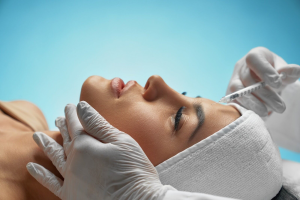
Mesotherapy is a technique that places nutrients directly into the dermis, the middle layer of the skin. Very fine needles are used to inject small amounts of active compounds where cells can use them most effectively.
It is not a single recipe. Every formula is tailored. A person who wants more brightness might receive Vitamin C. Someone with thinning hair may need amino acids and zinc. A patient looking for hydration often gets hyaluronic acid.
Because formulas vary so much, mesotherapy is better described as a method rather than one product. It is flexible and adapts to the concern being treated.
Why Ingredients Matter in Mesotherapy
The effect of mesotherapy comes from the formula. Different concerns require different mesotherapy active ingredients.
- Pigmentation often needs Vitamin C and glutathione.
- Hydration depends on hyaluronic acid.
- Fat or cellulite is targeted with caffeine, artichoke, or other plant extracts.
- Hair blends rely on amino acids, minerals, and biotin.
Each ingredient is chosen for a reason. On their own, they can help, but the real strength comes from the way they are combined. This is why professional assessment always comes first. The practitioner looks at the skin, scalp, or body and then builds the mix that fits.
Common Mesotherapy Injection Ingredients
Vitamins
Vitamins are among the most common mesotherapy injection ingredients.
- Vitamin C brightens skin, supports collagen, and helps regulate melanin. It is used in most brightening and pigmentation formulas.
- Vitamin E protects against oxidative stress and smooths texture.
- Vitamin A assists with cell turnover, giving the skin a fresher appearance.
These vitamins are injected in small amounts directly into the dermis, where they can act faster than creams applied on the surface.
Minerals
Minerals are equally important. Zinc controls oil production and promotes healing, which makes it common in acne-prone skin treatments. Copper stimulates collagen and elastin, both of which keep skin firm. Magnesium helps with circulation and vitality.
Amino Acids
Amino acids are the building blocks of proteins. In mesotherapy, they repair tissue, encourage collagen production, and help maintain elasticity. They are key in both skin and hair treatments.
Hyaluronic Acid
Hyaluronic acid is one of the best-known mesotherapy injection ingredients. It hydrates the skin deeply and makes it look plumper and more elastic. It is almost always included in rejuvenation formulas.
Clinics source their supplies carefully. They often shop mesotherapy products for clinics from licensed distributors to ensure safety and consistent quality, especially when it comes to hyaluronic acid and other injectable solutions.
Peptides and Growth Factors
Peptides are short chains of amino acids that act as messengers. They tell skin cells to produce more collagen. Growth factors go a step further and support the regeneration of tissue. These are frequently used in anti-aging cocktails.
Plant Extracts
Plant extracts are popular for cellulite and fat blends. Caffeine is used to promote fat metabolism. Artichoke extract improves circulation. Ginkgo biloba supports tone and microcirculation. These natural compounds are chosen when the focus is on contouring or body texture.
Nucleotides and Coenzymes
Some formulas include nucleotides, which help restore tissue. Coenzyme Q10 is another example; it supports energy production inside cells and reduces visible tiredness.
How Ingredient Combinations Work
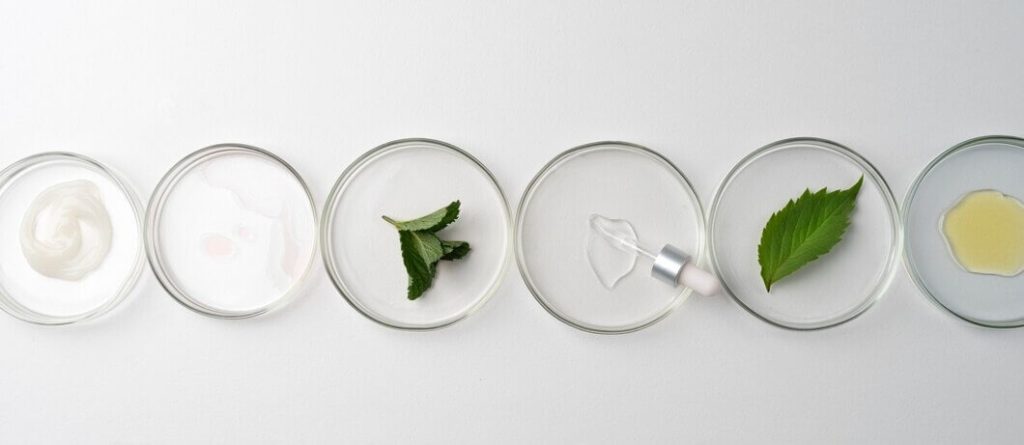
Mesotherapy rarely uses a single ingredient. Instead, it combines them in cocktails.
For example:
- A rejuvenation blend might combine hyaluronic acid, amino acids, and Vitamin C.
- A brightening mix could use Vitamin C with glutathione and peptides.
- A cellulite formula might rely on caffeine, artichoke, and enzymes.
- A hair-support blend could include biotin, zinc, and peptides.
The point of these combinations is synergy. One hydrates, another protects, another stimulates. Together, they cover multiple processes and give a stronger effect than one substance on its own.
Mesotherapy Active Ingredients for Specific Treatments
Skin Rejuvenation
Cocktails for rejuvenation usually feature hyaluronic acid, amino acids, and vitamins. They hydrate, brighten, and improve tone. Patients often notice a softer texture and more glow after a cycle of sessions.
Pigmentation and Brightening
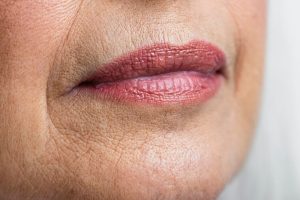
Vitamin C and glutathione are leading choices. They regulate melanin and help reduce dark spots. Peptides are sometimes added for stronger support. In delicate cases, such as under the eyes, mesotherapy for eye bags uses lighter hydration formulas and peptides to firm without heaviness.
Cellulite and Fat Reduction
For body contouring, caffeine, artichoke extract, and ginkgo biloba are common. They promote circulation and fat metabolism. Enzymes are often added to break down localized fat deposits.
Hair Growth and Scalp Health
Hair blends are designed to nourish follicles. Biotin, amino acids, zinc, and peptides are injected into the scalp to support strength and growth. Maintenance is important here, as follicles need consistent support to hold results.
Safety and Professional Use of Ingredients
Mesotherapy should always be performed by trained professionals. The safety of the treatment comes from both the quality of the ingredients and the skill of the practitioner.
Clinics buy their products from licensed distributors to ensure authenticity. Ingredient quality is crucial for results. A formula built with poor supplies will not perform as expected.
It is also important to understand that results build gradually. A single session is not enough. Several are usually needed, and follow-ups help maintain the effect. The overall mesotherapy duration depends on the formula, the patient’s lifestyle, and how consistent they are with maintenance.
References
Medinordic. (n.d.). An introduction to mesotherapy. Retrieved October 28, 2025, from
https://www.medinordic.com/article/an-introduction-to-mesotherapy
The Smart Group. (2023, July 11). The top active ingredients used in needle-free mesotherapy and their benefits for skin and hair. Retrieved October 28, 2025, from
Cassiano, D. P. (2022). Update on melasma—Part II: Treatment. PubMed Central. Retrieved October 28, 2025, from
https://pmc.ncbi.nlm.nih.gov/articles/PMC9464276
Mesotherapy Solutions. (2023, May 30). Hyperpigmentation mesotherapy serum: A comprehensive guide. Retrieved October 28, 2025, from
https://mesotherapy-solutions.com/hyperpigmentation-mesotherapy-serum-a-comprehensive-guide
Mesoestetic. (2024, December 15). Facial mesotherapy: What is it and its benefits. Retrieved October 28, 2025, from