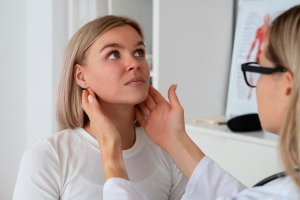
Mesotherapy for Stretch Marks: Effectiveness and Treatment Protocols
Stretch marks are one of those things everyone gets at some point. They can appear after growth, pregnancy, or changes in weight. They start as thin red or purple lines and later fade to pale marks that stay behind.
They don’t hurt, but they can make skin look uneven. That’s why many people look for ways to smooth them out.
This article walks you through mesotherapy for stretch marks, what it is, how it works, and what results to expect. It’s a slow, steady process that helps the skin rebuild strength and texture from within.
Understanding Stretch Marks
Stretch marks form when the skin stretches faster than its collagen can keep up. The middle layer of skin, the dermis, tears slightly, leaving narrow lines that can feel thin or sunken.
They’re most common on the stomach, hips, breasts, and thighs. Some fade on their own, but others stay visible. That’s where skin-repairing treatments come in.
Stretch marks are harmless. They’re just a sign of your body growing and changing. Still, many people prefer to treat them to make the skin feel smoother and firmer again.
What Is Mesotherapy?
Mesotherapy is a treatment that feeds the skin directly. Instead of putting cream on top, it delivers nutrients into the middle layer where stretch marks sit.
Tiny injections send in a mix of vitamins, minerals, amino acids, and hyaluronic acid. These ingredients wake up your skin’s natural repair system and help it produce more collagen and elastin.
Each session lasts around thirty minutes. The practitioner works over the marks with a very fine needle or a small mesotherapy gun. The injections feel like small pinches and leave only mild redness.
The results don’t show right away, but they build over several sessions. With time, the skin starts feeling thicker, smoother, and more hydrated.
Mesotherapy is used for more than stretch marks. Clinics also use it for glow facials, body toning, or mesotherapy for cellulite reduction. The technique stays the same—the formula simply changes based on the goal.
How Mesotherapy Targets Stretch Marks
Stretch marks sit deep in the skin, which is why lotions and oils rarely change them. Mesotherapy reaches that layer directly.
The nutrients in each injection feed the damaged area. The skin starts building fresh collagen and elastin, which fill in the stretched tissue and make it firmer. The added hyaluronic acid draws in water, keeping the area hydrated while it heals.
With every session, the lines begin to fade. They don’t vanish, but they blend better with the rest of the skin. The texture feels more even, and the color softens.
If you’ve ever read about mesotherapy vs. dermal fillers, the difference is clear. Fillers shape the skin by adding volume. Mesotherapy works more like nutrition, helping the skin strengthen itself naturally.
Effectiveness of Mesotherapy for Stretch Marks
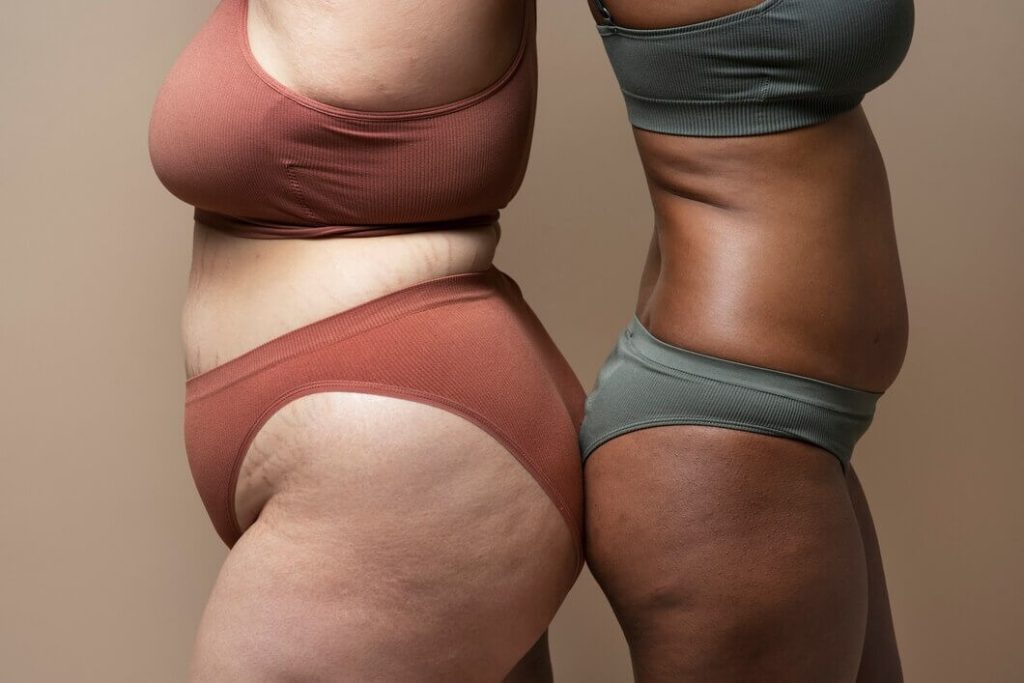
The success of mesotherapy depends on the age and depth of the marks. Newer ones, still pink or red, usually respond faster. Older, silver lines need more sessions but still improve.
Patients who stay consistent see smoother, stronger skin with better tone. The difference is easiest to feel rather than see at first—the tissue becomes thicker and more elastic.
Mesotherapy won’t erase stretch marks completely, but it helps the surface look softer and more uniform. The focus is repair, not perfection.
Practitioners sometimes combine mesotherapy with other body treatments such as microneedling or mild laser therapy. The two methods complement each other—one repairs, the other resurfaces.
Another reason it works well is customization. Each formula can be tailored to your skin. More hyaluronic acid for hydration. More peptides for structure. Brightening agents if pigmentation is uneven.
Treatment Protocols – What to Expect
A full course usually includes four to ten sessions. They’re spaced one or two weeks apart to let the skin recover and rebuild between treatments.
Each visit starts with cleaning the area and, if needed, a bit of numbing cream. The practitioner moves across the marks, giving small injections that cover the entire area. The needle only goes a few millimeters deep.
The skin might look pink right after, but that fades within hours. You can return to normal activities immediately.
Hydration is key. Drink plenty of water and use a gentle moisturizer every day. Avoid tanning or strong exfoliants between sessions so the skin can focus on healing.
Missing sessions slows things down. The results rely on steady stimulation. The skin learns through repetition, not one big push.
After treatment, stay out of the sun for a day or two, skip saunas, and don’t overheat during workouts. These small steps keep your results on track.
Mesotherapy for Stretch Marks: Before and After Results
The changes appear slowly but steadily. After a few sessions, the skin starts to feel more flexible. The marks become shallower and lighter. Under soft light, they blend better into the surrounding skin.
You might see the biggest improvement around the third or fourth visit. Touch becomes smoother, and the skin tone evens out.
Comparing photos helps show progress that might not be obvious day to day. The lines lose their hard edges, and the texture starts to feel more like the rest of your skin.
For lasting results, clinics recommend one or two maintenance sessions every few months. These keep collagen activity high and help your skin stay firm.
The best results happen when treatment goes hand in hand with healthy habits. Rest, hydration, and balanced food all help the body repair faster.
Comparing Mesotherapy With Other Treatments
Stretch marks can be treated in different ways, depending on how deep they are and how sensitive your skin is.
Laser therapy works by resurfacing the outer layers. Peels do something similar using gentle acids. Mesotherapy feeds the inner layer instead—it builds strength rather than removing anything.
Microneedling is the closest match. Both use needles, but for different reasons. Microneedling makes small injuries to trigger repair. Mesotherapy skips that injury and focuses on nourishment. When the two are combined, the results often look and feel smoother.
Some clinics mix mesotherapy with laser or radiofrequency for faster tightening. The combination helps both the surface and the deeper tissue.
There’s no single “best” option. The right treatment depends on your skin, your comfort, and the kind of improvement you want.
Who Is a Good Candidate for Mesotherapy?
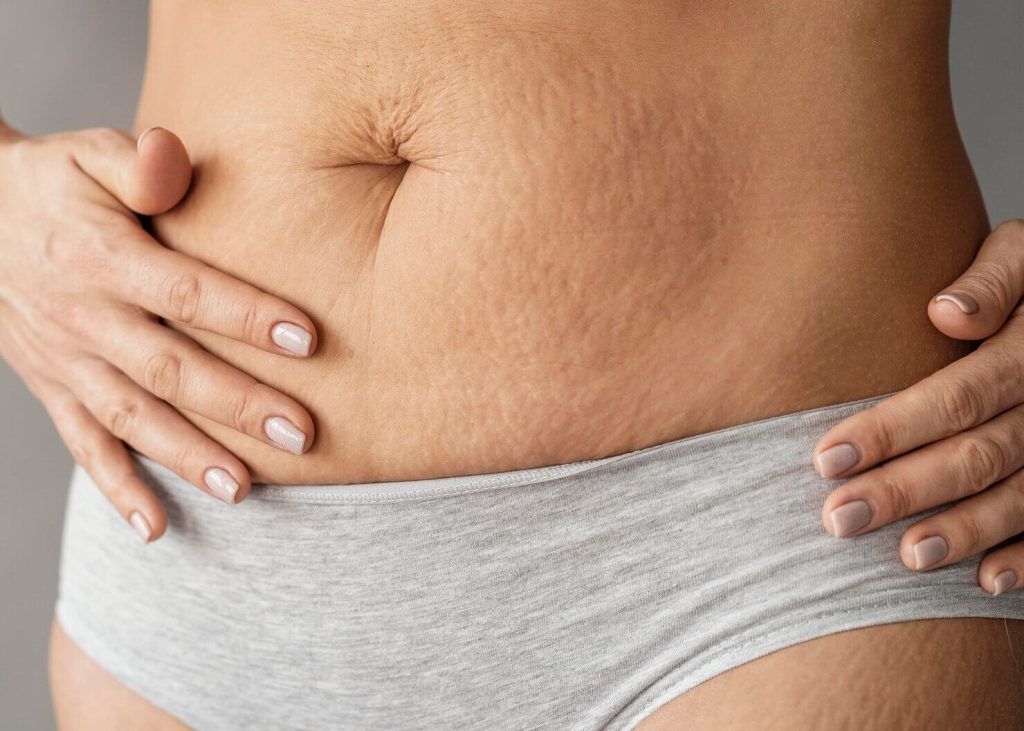
Mesotherapy fits anyone who wants smoother, firmer skin without downtime. It’s ideal for people with light or moderate stretch marks and for those who like slow, natural results.
If your marks are new and still have color, the response is faster. For older lines, it just takes more patience. The key is consistency.
Healthy lifestyle habits make a difference. Skin heals best when the body gets enough sleep, nutrients, and water.
Clinics often buy mesotherapy injections online from licensed suppliers so they can use fresh, medical-grade formulas. Always check that your practitioner uses professional equipment and sterile techniques.
Before you start, book a consultation. The practitioner examines your skin, listens to your goals, and explains what kind of results make sense for you.
References
Doctor Medica. (2025, June 18). Mesotherapy for stretch marks. Doctor Medica Blog. Retrieved October 28, 2025, from
https://www.doctormedica.co/blog/mesotherapy-for-stretch-marks
ClinicalTrials.gov. (2015, November 5). Topical Centella Asiatica and the cosmetic appearance of striae. U.S. National Library of Medicine. Retrieved October 28, 2025, from
https://clinicaltrials.gov/study/NCT02601105
Pistor, M. (2010). Mesotherapy – The French connection. PubMed Central. Retrieved October 28, 2025, from
https://www.ncbi.nlm.nih.gov/pmc/articles/PMC3142757
IG Beauty. (2023, May 9). How mesotherapy can minimize the appearance of stretch marks. IG Beauty Blog. Retrieved October 28, 2025, from
https://www.igbeauty.com/blog/how-mesotherapy-can-minimize-the-appearance-of-stretch-marks