Phosphatidylcholine: Benefits, Side Effects, and More
Phosphatidylcholine is a natural fat found in your cell membranes. It’s what keeps your cells working right. You get it from foods like eggs and soybeans, but lots of people take it as a supplement too.
This stuff matters because it helps your liver process fats and supports brain function. Your body uses phosphatidylcholine to make acetylcholine, a brain chemical you need for memory.
What is Phosphatidylcholine?
Think of phosphatidylcholine as a building block for cell walls. It’s a type of fat called a phospholipid. Every cell in your body has these protective barriers around it, and phosphatidylcholine helps keep them strong.
Egg yolks have tons of this stuff. So do soybeans and sunflower seeds. You’ll also find smaller amounts in meat and whole grains. People sometimes mix up phosphatidylcholine with lecithin. They’re related but different. Lecithin contains phosphatidylcholine as its main ingredient.
How Phosphatidylcholine Works in the Body
Your cells need this compound to stay healthy. Cell membranes control what gets in and out of cells, like tiny gatekeepers. When they work properly, cells get nutrients and dump waste. Think of it like a security system for each cell.
These membranes aren’t static either. They’re constantly moving and changing shape. Phosphatidylcholine keeps them flexible enough to do their job but strong enough not to fall apart. Without it, membranes get stiff and brittle.
The liver really depends on phosphatidylcholine. It helps break down and move fats around your body. Your liver basically acts like a fat-processing plant. It takes fats from food, breaks them down, and ships them where they need to go. Without enough phosphatidylcholine, fats can pile up in your liver, which is not something you want.
This fat-moving process is called lipid transport. Sounds fancy, but it’s just your body’s way of getting fats to the right places. When this system breaks down, you end up with fatty deposits where you don’t want them.
Brain cells use it too. They turn phosphatidylcholine into acetylcholine, which helps with learning and memory. Your brain basically recycles phosphatidylcholine to make this memory chemical.
People with lipodystrophy often have trouble with fat processing, so they might need extra support. This condition affects how the body stores and uses fat. The normal fat distribution gets messed up, which is where phosphatidylcholine might help restore some balance.
Your body also uses phosphatidylcholine for detoxification. The liver filters out toxins from everything you eat, drink, or breathe. This cleanup process needs phosphatidylcholine to work right. Without enough, toxins can stick around longer than they should.
Phosphatidylcholine Benefits

Liver Health
Your liver processes everything you eat and drink. Studies show phosphatidylcholine might help with fatty liver disease. That’s when too much fat builds up in liver cells.
Some research suggests it could even help reverse fatty liver damage. The key is helping your liver process fats better.
Brain Function
Higher dietary phosphatidylcholine intake is linked to better memory scores. A Finnish study found that men who ate more had 28% lower dementia risk. Pretty impressive.
Eating phosphatidylcholine-rich foods seems better than just taking supplements for brain benefits.
Heart Health
This compound helps regulate cholesterol. It plays a role in how your body moves cholesterol around. That could support cardiovascular health, though we need more research.
Cell Repair
Every cell membrane needs phosphatidylcholine to stay flexible. Age and stress damage these barriers over time. Getting enough helps with repair and maintenance.
Skin and Appearance
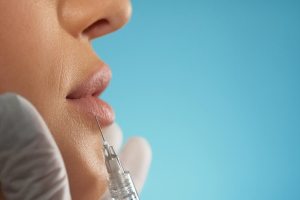
Healthy cell membranes mean better skin. Some cosmetic procedures use phosphatidylcholine injections for fat reduction. People considering monsplasty sometimes explore this option, but it needs medical supervision.
Digestive Support
Your digestive system needs this for bile production. Bile breaks down fats from food. Some evidence suggests it might help with ulcerative colitis symptoms.
Energy and Longevity
Better metabolism means more energy from food. Plus, keeping cells healthy supports your longevity goals.
Phosphatidylcholine Supplements
You can get supplements as capsules, powders, or injections. Pills work differently from injections. Your digestive system processes oral forms like food.
Quality varies big time between brands. Look for third-party tested products with pure ingredients.
People interested in non-surgical fat removal injections need a proper medical evaluation first. Not everyone’s a good candidate for these treatments.
Potential Side Effects
Most people handle oral supplements fine. You might get some stomach upset or nausea when starting. Begin with smaller doses.
Injectable forms can cause pain, swelling, or redness at injection sites. Sometimes burning or itching happens, too. Always check with a doctor before starting supplements.
Phosphatidylcholine and Longevity
Cell health connects directly to aging. Damaged cell membranes speed up aging processes. Phosphatidylcholine helps maintain membrane integrity.
This makes it popular with people focused on healthy aging. The multiple benefits, liver, brain, and cellular health, appeal to longevity enthusiasts.
Comparison with Other Compounds
Phosphatidylcholine differs from regular lecithin. Lecithin’s a mixture; phosphatidylcholine supplements give you higher concentrations.
Choline supplements are different, too. Your body uses choline to make phosphatidylcholine, but taking choline doesn’t guarantee adequate levels.
For cosmetic treatments, phosphatidylcholine injections target specific fat deposits. The compound breaks down fat cells naturally.
Who May Consider Taking Phosphatidylcholine?

People with liver concerns might benefit. Those with fatty liver or elevated liver enzymes sometimes find it helpful.
Older adults interested in memory support represent another group. While cognitive research continues, some evidence supports brain benefits.
Anyone pursuing healthy aging might consider it. The cellular support aligns with anti-aging strategies. People in their 40s and 50s often start thinking about this stuff. They want to keep their energy up and stay sharp as they get older.
Athletes and fitness enthusiasts sometimes use it too. The idea is that better cell function means better recovery and performance. Whether that actually works is debatable, but some swear by it.
Patients exploring surgical alternatives sometimes investigate phosphatidylcholine injections. These require qualified practitioners. You’ll mostly see this for stubborn fat areas that don’t respond to diet and exercise. Think double chins or love handles that just won’t budge.
References
Kennedy, D. O. (2024). Phosphatidylcholine: Benefits, side effects, and more. Healthline. Retrieved January 31, 2024, from https://www.healthline.com/health/food-nutrition/phosphatidylcholine
BodyBio. (2023, March 8). Phosphatidylcholine benefits, side effects, & dosage. BodyBio. Retrieved from https://bodybio.com/blogs/blog/what-is-phosphatidylcholine
WebMD. (2003, July 21). PHOSPHATIDYLCHOLINE: Overview, uses, side effects, precautions, interactions, dosing and reviews. WebMD. Retrieved from https://www.webmd.com/vitamins/ai/ingredientmono-501/phosphatidylcholine
MedicineNet. (2022, August 24). Phosphatidylcholine: Benefits, side effects, and more. MedicineNet. Retrieved from https://www.medicinenet.com/phosphatidylcholine_benefits_side_effects/article.htm